Monetization Strategies for Food Bloggers
Learn how to build sustainable income with digital products, why mindset is your biggest hurdle, and how to confidently step into the role of “salesperson” without feeling salesy. Emily breaks it all down with practical, proven strategies for getting more eyes (and buyers!) on your offers.
Listen on the player in this post or on Apple Podcasts, Spotify, YouTube or your favorite podcast player. Or scroll down to read a full transcript.

Write Blog Posts that Rank on Google’s 1st Page
RankIQ is an AI-powered SEO tool built just for bloggers. It tells you what to put inside your post and title, so you can write perfectly optimized content in half the time. RankIQ contains a hand-picked library with the lowest competition, high traffic keywords for every niche.
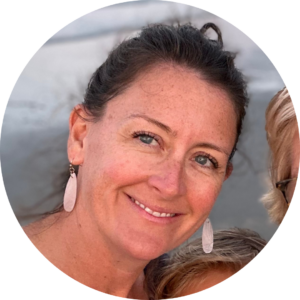
Emily Baksa is a copywriter and marketing strategist who helps food content creators gain creative and financial freedom so they keep loving what they do. She helps her clients create more time, money, and ease through a diversified content strategy that boosts traffic, builds community, and generates independent revenue streams. Inspired by the chefs she worked alongside during her six years in hospitality, she launched her business to help creatives like them thrive. She has since partnered with over 20 food content creators, establishing herself as an industry leader and featured speaker at events like the Tastemaker Conference.
Takeaways
- Selling is serving: Shift your mindset from “selling is scary” to “selling adds value” – it’s about helping your audience, not manipulating them.
- Start small, succeed big: Low-ticket digital products ($5 – $20) are powerful revenue generators when sold through a well-nurtured email list.
- Copywriting that connects: Effective sales emails lean into emotion, transformation, and storytelling – not a boring list of features.
- Ditch perfectionism: Your first launch won’t be perfect, and that’s okay – launching messy is better than not launching at all.
- Email is your secret weapon: Use segmentation, intentional sequencing, and opt-outs to create email funnels that convert without overwhelming your list.
- Reframe unsubscribes: Losing the wrong people from your list is actually a win – it makes space for the ones who truly want what you’re offering.
- Confidence compounds: The more you sell aligned products, the easier and more natural it becomes. Practice builds belief.
- Your value is real: Stop giving everything away for free. Your work is worth more than a free blog post – it’s time to charge for convenience, curation, and expertise.
Resources Mentioned
Cooking For Humans Course — promo code “Eatblogtalk”
Transcript
Click for full script.
EBT725 – Emily Baksa
[00:00:00] Megan Porta
If you have ever felt weird about selling to your email list, or maybe you’ve just wondered how to even get started with it, this episode is for you. Copywriter and strategist Emily Baksa is back on the podcast and she is sharing how she helped four food bloggers generate over $10,000 in digital product sales just through email. We dive into the biggest mindset hurdles that hold creators back, what makes a product actually sell, and her exact formula for building a high converting email funnel. Let’s dig in.
[00:00:38] Intro
Hi food bloggers. I’m Megan Porta and this is Eat Blog Talk. Your space for support, inspiration and strategies to grow your blog and your freedom. Whether that’s personal, professional or financial, you are not alone on this journey.
[00:00:59] Sponsor
Food bloggers. What if stepping away from your business for just a few days could bring you back more focused, inspired and clearer than ever? The Eat Blog Talk Fall retreat is happening October 9th through 12th this year and it is so much more than a getaway. It is three nights of rest that fills your cup, strategy that actually sticks, conversations that spark game changing ideas. So much good food and laughter and connection that will leave you wanting more, more and more. We keep these retreats intimate, a reason so you can go deep, build real relationships and walk away with a renewed sense of purpose in your business.There’s no pressure at these retreats, just the space to breathe, reflect and reconnect with why you started this blogging journey in the first place. Past attendees say it’s unlike anything they’ve ever experienced and honestly I think it’s something every blogger deserves. Head to eatblogtalk.com/retreat to grab your spot before they’re gone. Eatblogtalk.com/retreat.
[00:01:59] Megan Porta
You’re back. Welcome, welcome back.
[00:02:02] Emily Baksa
I’m back almost a year later. I’m so excited. This is going to be my new summer tradition coming on your podcast.
[00:02:09] Megan Porta
Yes. I love it. Let’s do it. For sure. Well, welcome. I’m so happy to have you back and we are going to learn a ton from you today about selling digital products to your email list. Also, to go along with that, we’re going to talk about some mindset hurdles that people might have that can help with this. I’m this is right up my alley, as you know. Before we get into that though, do you have another fun fact to share with us?
[00:02:33] Emily Baksa
Yes. So I started my business about five years ago and when I first started I was just like obsessed with food and I was working with all types of food people before I niched into food Bloggers. And so back early in the day, I used to work with like CPG brands. So I would help people who were like writing, creating like snacks and other products, like write the descriptions on that on their boxes and like website copy.And one of my favorite clients that I worked with was Blue Zones Kitchen. Did you ever like see their Netflix documentary? When it came out like a few years ago, it was about all like eating in the Blue zones.
[00:03:11] Megan Porta
Interesting.
[00:03:11] Emily Baksa
At the time they were launching frozen like bowls in Whole Foods and Wegmans. And I helped them as kind of a part of that launch, do that, which was really fun. And I see them at my grocery store now, which makes me so happy, like seeing those products. There’s a few products I see in my local grocery store because I worked with a few local Vermont CPG brands too. So I get to like browse my grocery store and see old clients from like four years ago. But that was, yeah, my pre food blogger days. It was a fun, fun phase.
[00:03:43] Megan Porta
That’s so cool. I love learning that about you. The Blue Zone. Those are so interesting to me. I’ve read about that a little bit. So I’d be very curious to watch the documentary. Is that good? Would you recommend it?
[00:03:56] Emily Baksa
Yeah, no, I would definitely recommend. It’s. It’s fun. It goes through like all the Blue Zone regions and kind of highlights like, what about not just their food, but life. It’s really mostly lifestyle as well that like is promotes such longevity in the region. And yeah, it’s. It’s really like nice. Feel good, kind of inspiring.
[00:04:14] Megan Porta
I remember people and community being a big piece of that. The Blue Zone, right? Like people.
[00:04:19] Emily Baksa
Yeah, yeah, no, totally. Yeah. The social element is huge. Social and exercise, but not like going to the gym and like pumping iron.
[00:04:29] Megan Porta
Exercise, walking and gardening.
[00:04:31] Emily Baksa
You bike and what? Yeah, yeah.
[00:04:33] Megan Porta
So I want that.
[00:04:35] Emily Baksa
Definitely a lifestyle aspire to. Yeah.
[00:04:39] Megan Porta
Oh, all right. Well, let’s talk about digital products. Selling digital products for email list. And I guess we can just kind of start with the, I don’t know, the kind of nuts and bolts of it. And then like I said earlier, we can get into some of those mindset hurdles that I think, and I know you think too, are really important if you do want to actually be successful at this.
[00:05:04]
But let’s talk. Yeah, let’s just start by talking about your business. What do you do? How do you serve? Food bloggers and other creators.
[00:05:11] Emily Baksa
Yeah, so I am a copywriter and a digital marketer and I work exclusively now with food bloggers because there was just such a demand for content in this industry and my skills in storytelling and also and messaging and also really positioning recipes to audiences is really what I kind of grew into. And where I find food bloggers really need a lot of help and support.
[00:05:37]
So I help my clients create all types of content. Some recipe blogs. But honestly, recently there’s been much more of a shift into diversifying content that we create, because I’ve been doing this for over 5 years. My longest food blogger client is about 5 years old. And I. In that span of time, I’ve really seen the energy need to shift from doing all our writing into blogs.
[00:06:01]
And then when things become a little less stable in search, it’s about creating a variety of content in different places to reach people and support people on a variety of channels, because we just can’t rely on search the same way anymore. So I also help clients write emails, launch and create digital products and really just nurture audiences into their community and build those kind of loyalists that stick around and are reliable search traffic drivers and visitors and home cooks.
[00:06:29]
So it’s really fun to help bloggers with this because it’s such a. Just a lovely experience to, like, really support an individual brand and. And especially in today’s age when your individuality and, like, what makes you unique is becoming so increasingly important in your content, and that’s also a really hard thing to do by yourself.
[00:06:52]
I just kind of want to acknowledge that, that it makes sense if that feels hard. And that’s where I provide a lot of support to my clients, is just being that outsider to come in and offer some new strategies and perspectives and.
[00:07:04] Megan Porta
And save the day. Emily saves the day. No, what you do is so important, and it’s not a strength of a lot of food bloggers too. So it’s so good to have people like you to offer exactly what we need sometimes. So thank you. Yeah.
[00:07:24] Emily Baksa
Yeah. There was one thing that surprise has surprised me over the years. I suppose I’d be curious to hear your take on this, is I always kind of thought food bloggers were like, really big extroverts. Like, they’re online sharing a ton of stuff, you know, very kind of like, it’s them. Right? So.
[00:07:40]
But what I’ve really found is that it’s very introverted business.
[00:07:44] Megan Porta
Yes.
[00:07:44] Emily Baksa
You agree? Yeah, that totally surprised me. And so that is where I find that I can really be helpful because I kind of meet these people in these little shells, and I’m like, you’re amazing. Let’s, like, you know, make sure everyone knows about why they should love you. And sometimes I just need like that little bit of extra support and nudge.
[00:08:05] Megan Porta
You are spot on with that. So true. So I think that creating digital products is a really good idea for a lot of people. It’s like, oh yeah, that makes sense. This would complement my business really well. But when we get to the point of selling said products, it gets a little bit challenging because like you said, a lot of us are introverts. We don’t feel comfortable putting ourselves out there in that way, asking people to spend money on us and all of those things. Do you agree with that?
[00:08:36] Emily Baksa
I mean, I agree why it feels hard. I think that when you look at pretty much any other industry, like wellness coaching or like fitness or literally any other like online industry, like this is what people do. So from my vantage point, I do find it. I do feel like the food blogging industry is like a few steps behind in the Internet with this approach.
[00:09:01]
And so that’s why I. One reason why I think it’s definitely something that people should get on board where we’re not talking about a like not market tested idea. It’s actually very market tested. It just. I’m working on getting more food bloggers to kind of test it as well. So. So there’s that.
[00:09:20]
But also it’s really just about the reason for it is because it’s, it’s a channel and an item that you have control over. I think that obviously people are feeling a sense, a lack of control right now. And I’m not telling you that you’re going to sell an ebook and make as much as you would in ad revenue from MediaVine two years ago, like, that’s.
[00:09:43]
I think expectations have to really shift there too. What I’m saying is that a smart business move is to make sure your revenue comes from a variety of different places. And digital products are one of the more stable label options to put in that tool basket. And because they also rely on selling through your email, which is another very stable tool in your, in your toolbox.
[00:10:09]
So it’s kind of layered like that. And you know, if you have. The last time I was on your podcast, we talked about how to build an email list and nurture them. If you’ve been doing that and talking consistently to people and really building relationships and getting them to know you and responding to their interests and needs and building that community, then selling to that list is actually a very natural next step.And you’re primed really, really well to do that. So it may I get what, why people think it’s hard. But all those factors really also make it kind of a very obvious choice that I’m trying to get people to see and understand.
[00:10:47] Megan Porta
And this is a line I’ve kept in mind over the years. Selling is serving. So that whole concept of like, you’re not gouging people, you’re not pulling the wool over their eyes, you are actually showing up to deliver value and serve them in some way. And that has totally shifted my mindset on providing a digital product or whatever it is. But just that little tweak absolutely made such a big difference for me.
[00:11:15] Emily Baksa
Absolutely. And even like to take it a step further too, just from like a human psychology standpoint, price tags, like, often imply added value in a way that we underestimate. Right. So if somebody’s giving something away that’s really like expansive and like full, you know, might be a lot and it’s for free versus somebody who’s charging $7 for it, you know, they’re oftentimes it’s very common for our human brains to think the one with the price tag is actually better or it has some added nuance to it that would be more desirable.
[00:11:51]
Right. And, and again, like, in my experience in launching digital products, I’m not talking about high ticket offers. The most expensive one that I’ve, that I’ve launched was $20. You know, we’re talking around five, seven dollars. It’s like, I can’t, like, that’s like a Starbucks latte, which is crazy. So, you know, as far as that ask, you know, like a lot of times people might happily pay that more than you think because they want to support you and because they’re like, ooh, this might be really juicy and helpful for me.And so like, thank you for. Thank you. I will happily pay you in return for this information. That’s meeting a really helpful need and making my life a little better here. Right.
[00:12:35] Megan Porta
As you kind of noted, something else I heard a while ago, it was another guest on the podcast, I can’t remember who, but she was talking about selling as well. And I remember she said people so easily will go get a manicure for what, $70, $60, $50. Question. And those nails will be trashed in less than two weeks. But what about the year or two years or five years that you’ve put into your amazing value and products or services? That’s not going to go away. So that comparison too has really helped me understand, like, what people see as valuable and what they’re willing to spend money on.
[00:13:16] Emily Baksa
Yeah, I think our understanding of value is a little misconstrued too. Especially in this industry when everything’s been giving away for free for so long. It’s like, it’s almost like our worth had. When I say our…I’m not a food blogger, but I feel comradery with the food bloggers. It’s almost like our worth has been really tied up with the ability to give everything away for free. It’s like, it’s almost like this element of, like, sacrifice. Like, you know, that is where I get value in the Internet is by just being there for free.
[00:13:50]
And, you know, I don’t like, necessarily agree that that’s how it has to always be. Like, you work so hard. In fact, from the very day that I started working with food bloggers, I was kind of shocked that, like, so much effort and money goes into creating recipes before they even hit the Internet.
[00:14:10]
And then they just like, pop up there. And then it’s kind of just like, okay, like, it’s just kind of free, free for all. And I, and I always felt like there was a little bit of a, like, worth misalignment there because, you know, you put a lot of effort into these things.
[00:14:26]
And especially if you’re a professional who’s been online for a long time by this point, you have a very valuable, expansive collection of recipes. And sometimes these digital products is just about making them more convenient to access for people. You’ve proven your worth and your expertise by having them out there. Now you bundle them into something that’s easy to use ad free, you know, intentionally curated in a helpful way, and that is, like, enormously valuable for people and worthy of making you money more directly.
[00:14:58] Megan Porta
I want to ask you about just kind of the. How these are tied to, like, how you can use your email list to better sell. Do you have any strategies for just converting sales through email funnels?
[00:15:12] Emily Baksa
Yeah. So as. As context. Earlier this year, I worked with a handful of food bloggers to launch digital products for the first time. And so what we did was we created offers from scratch and intentionally leaning into audience needs, desires, and positioning that felt right, and then sold these items to their email list through a sequence of emails that spoke to these needs and desires.
[00:15:37]
That’s where my copywriting skill really came into play as writing those things. So from a marketing to the email list standpoint, I mean, it’s really, again, if you have a well established, nurtured list, there’s a few ways that you can market it to them. Some people just, you know, started to tease that the offer was coming.Gave people the chance to opt out of the sales messaging if it wasn’t interesting to them. And then they received a sequence of emails that talked about, you know, why this was beneficial and how this was really going to help them. So we worked with a sequence of about five emails. I think in the future I would consider elongating them, comparing depending on the offer.
[00:16:15]
But we did that and like, we saw like two of my clients sold nearly 500 copies of their digital downloads, so over 14 days. So these are short window launches. So as long as you’re writing good copy and that leans into these needs and desires, like you can really. That’s what impacts conversions.
[00:16:36]
Another thing that can impact conversions is also who you’re talking to. So in a few instances, we had people. Our offer was created to certain topics that we knew we had people tagged as interests in. So people joined an opt in that was similar to the. Our digital product topic. So we marketed that product to that segmented portion of the list first because we knew that they were qualified, they were clearly interested in what the topic was.
[00:17:06]
So when we sold the, in this case with a meal plan related to that topic to them, it went much smoother because we are. We weren’t talking to a mix of interests. We were kind of pretty confident that these people were interested. So that’s another way to help boost conversions. But really the main factor is how you position it and the copy itself.
[00:17:25]
Copywriting at its essence is sales writing. It’s helping encourage people to take a next step, really is how I describe it to people. So it’s. It is very conversion focused.
[00:17:35] Megan Porta
So obviously hiring you, Emily, would be ideal there because like I said earlier, this is not a strength of everyone’s. And I want to ask you about that in just a moment, but do you have tips for people who maybe want to DIY it and do it themselves and make their copywriting stand out?
[00:17:52] Emily Baksa
Yeah, I totally get that not everyone has the capacity or the budget for a copywriter, but really what it comes down to is leaning into storytelling, making it more about the buyer than about you, which is one of the hardest things to do when you’re writing it yourself and highlighting the transformation that they’re going to receive much more than all of the features of the product.
[00:18:15]
People are actually very emotional decision makers. There are a lot of people who are rational decision makers too, but most people will make a decision on how something feels rather than how logical it is. So leaning into the emotional aspect first, especially in the beginning of your emails. And then as time goes on and people aren’t converting, you can lean more into what’s included, what your, you know, any refund policy or any of that kind of really boring technical stuff to help those more like technical people cross the line.
[00:18:45] Megan Porta
And if people do have the budget to get help and want your help, how do they go about that? Do you have, what specific things do you have to offer us?
[00:18:56] Emily Baksa
Yeah, so I have a launch package for people who want, who want help creating exactly this part. So on my website, emilybaksa.com, you can find my services in which that is included in there as well. But if you’re kind of somewhere in the middle, if you want help with creating something but you don’t want to fully outsource it too, I also have this program open right now.
[00:19:20]
It’s called Cooking for Humans and it’s really been generated in response to all of this shifting and AI and kind of adjusting people have had to do in the industry. And it’s really kind of like your little toolkit for embracing your unique storytelling and humanness in a variety of content. It includes blogs and email.
[00:19:41]
But a big component of is also digital products and it comes with a digital product idea generator as well too. So if you’re interested in kind of joining that, you can get more coaching from me. And there’s also weekly calls with me as well. So it’s a more affordable option for people as well too.
[00:19:56]
And if you want more support from there, it’s also also available. That’s on my website at emilybaksa.com/cookingforhumans and you can get more info there. It’s only open through August 15th and it’s a one time, one time fee. But I’ve also have a promo code for all the listeners here. If you use Eat Blog Talk, you’ll get access for $20. So you can jump right in and just kind of get started. But those are the two best ways to kind of like enter my universe and get support on digital product launch strategy.
[00:20:25] Megan Porta
And we’ll put that link in the show notes too so people can go just quickly access that and remember August 15th. Right. So that’s a couple weeks away. So definitely jump that for $20. Ah yeah, don’t pass that up.
[00:20:40] Emily Baksa
Yeah, things, things change so fast. So it’s kind of a short window here with the latest copy techniques that I know and have put into practice. So we can just jump on them all together and then adjust and go from there.
[00:20:52] Megan Porta
Yes. Okay. Amazing. Thank you for putting that together. Oh, my gosh. I. It sounds incredible and very helpful. Can we talk more about some mindset hurdles? I know that you have kind of noticed that mindset is maybe what holds a lot of people back. What are some of the main mindset hurdles that you’re seeing?
[00:21:12] Emily Baksa
Yeah, this stuff is so important. Just take a smidge, step back. And I know you know this, Megan, because it’s like, no matter what, what I write for you or what you write for yourself, like, if this stuff trips you up, it won’t really matter. And in fact, in my experience with my launches with clients, this kind of happened.
[00:21:32]
There were a few experiences where I literally delivered the copy to people on silver platters and was like, all you have to do is schedule this. And there were a few instances where people changed, held back, were kind of hesitant, and I just, you know, literally, no offense taken, I was not mad or anything.
[00:21:47]
It was an observation, and I was like. I would ask them about it afterwards, and really what emerged was this kind of feeling of unsureness and, like, insecurity around this whole process kind of made people pause and then ultimately inhibited, you know, their success in small ways. But some of the main ones that, you know, I.
[00:22:07]
I watched food bloggers kind of get stuck in, and in those phases was definitely this concept of, like, sounding too salesy or, like, to sell something, you have to sound like a boring marketer. Right? And that’s not true. The best way to sell something is actually to really sound like yourself, so. And be very genuine.
[00:22:31]
So that’s when I was writing things for people. Leaning into, like, their tone and kind of, like, wit or like, you know, their unique voice was definitely a big priority for me. But on that last email in particular, there was an email 5 that was, like, a smidge more salesy. It was like that last push email, like, this is your last chance before it closes.
[00:22:53]
It’s really a reminder. That was the one that got people that most people ditched at the last minute because it made them feel just a little uncomfortable. Like, I read all the emails through their voice. They were like, this sounds great. And then that last email sounded a little bit markety, and it made them feel a little uncomfortable.And like, that’s. I, again, wasn’t mad about it. It was okay. It was just a very interesting pattern that I noticed. So that was definitely a. A big one.
[00:23:24] Megan Porta
So when they. When you notice that resistance to that last email, did they ditch it? Did they replace the wording? What did they want to do with it.
[00:23:33] Emily Baksa
Some people just didn’t send it. They were like, so I. So I was on their email list and I was, you know, like, extra stalkery, like, at the time, seeing what was going out. And I knew when the emails were supposed to send, and they didn’t. And I didn’t. They wouldn’t. Some of them just didn’t go.
[00:23:50]
And then I talked to them about it a few weeks later. And then some people took, like, a more softer approach. It was like they took the language and they, like, embedded it in, like, a regular broadcast email where they were giving away recipes for free. So it was almost like, to soften the blow kind of in their credit.
[00:24:07]
There was one client who, like, totally rolled with it and was like. And just, you know, when I talked to her about it, she was very much like, I just trusted the process, you know, which is part of hiring an expert, you know, so big kudos to her and. But also no shame to everyone else.
[00:24:26]
Like, I. I really do. It really was okay. It helped because when I reflected it back to them, they realized what had kind of happened. And then that was a learning point to them. They’re like, oh, I. I probably. One of them was like, I probably should have sent it, like, because it could have helped me cross my threshold goal.
[00:24:44]
You know, I knew that last email would. There’s a reason for it. It’s not to be pushy. It’s just to, like, be clear. It’s like, if you’ve been thinking about it, like, this is your last chance to join, and if you don’t want to, that’s fine. But, like, if you’ve. Some people are just, like, busy and they’re like, forgotten, you know, and they’re like, oh, shoot, I.
[00:25:06]
Thanks for the reminder. Like, I really wanted this. And you’re just preventing people from being, like, upset when the doors do close and they’re like, oh, wait, I wish you had reminded me.
[00:25:16] Megan Porta
Yep. So I love that you were kind of stalking their. Their emails and like, oh, I noticed that didn’t go out. But what. I guess, what’s the lesson in this one? So what can we take away from this?
[00:25:30] Emily Baksa
I think that the lesson in this one is just. I think it’s just that it’s okay to ask people to. It’s okay to ask people to do something that’s, like, a little more direct. It’s okay to ask people to compensate you for a product, like, because you’re offering something really valuable and you can do it in a way that feels genuine to who you are.
[00:25:57]
Even that little like last push about like, and this is your last chance might not feel natural to you, but you can still add it in the context of a way that feels like an email you would send. Right. So it’s just about shifting your approach to welcome in the ability to really.
[00:26:16] Megan Porta
Just ask more directions. Probably when you do it once, after you do it once, it starts to feel a little bit more natural and you can repeat that again and again and start see the sales come in
[00:26:30] Sponsor
Food bloggers, Do you want to see the conversations behind the mic? Eat Block Talk is now on YouTube featuring edited interviews with expert guests. Head over to YouTube and search Eat Blog Talk. Hit subscribe and join the conversation in the comments. Let’s connect and grow together.
[00:26:49] Megan Porta
What are some other mindset hurdles that you’ve noticed, Emily?
[00:26:51] Emily Baksa
I think there was definitely an element of like perfectionism as like a barrier. I think people and I don’t know and I would love to hear your opinion on this too because I don’t know entirely necessarily where this one comes from. This element of like I have to get it right on the first try and I have to blow it out of the water.
[00:27:16]
And I think maybe that comes from just like food blog is such a numbers oriented industry and when you work in ads and page views, those numbers are really, really big and it’s, that’s not the same number set that’s going to translate to digital products. You’re not going to sell 350,000 digital products.
[00:27:37]
You’re not, you’re not going to make $350,000 on your first try. Right. So this, I noticed in the end at this process, a lot of people were kind of like, did I do it right? You know, like, and like if I didn’t make millions, was it a failure? They were really looking for affirmation on was this good enough?
[00:28:04]
And my answer to that is doing the thing is success because there’s a lot of people who aren’t doing the thing. So regardless of your numerical outcomes, doing the thing is success. And the concept of these four these launches is to launch, learn and adjust, reintegrate, launch again and do better with each iteration.
[00:28:26]
So that, that was something that, that kind of surprised me a little bit. Do you feel or do you think some of my inferences there on the industry kind of makes sense?
[00:28:34] Megan Porta
Totally. And I, I mean I as you know, talk to a lot of food bloggers over the course of a year and I see a lot of perfectionism in our industry. I think the people who are. Who aren’t necessarily like the control freaks, quote. And I don’t mean that to sound negative at all, but just, like, the people who. I have to control every part of this. If it’s not perfect, then it sucks. Those people hold themselves back a lot. And the people who are able to teach themselves to just let go of that perfectionism and just put things out into the world are the ones that are not only more successful but happier.
[00:29:13]
They find more joy in their businesses. So, yes, I think it is. For some reason, it’s kind of a pervasive thing in our industry. But if you do it long enough, I think you can teach yourself to ditch the perfectionism and just release and trust in the process and really find success and joy in your business.
[00:29:37] Emily Baksa
Yeah, I think it’s. This process in particular is really about more about, like, learning than, like, succeeding every time. You know, like, this is a new thing for a lot of people. So, yes, I want you to get more money so you can have more stable revenue streams. That’s the whole point. And that’s what my clients were doing.But you’re also learning a new skill, and that’s never something that you get, like, try. Right?
[00:30:05] Megan Porta
Yeah. And it’s like, when we talk to children, we don’t. We don’t emphasize that. Right. We’re not like, oh, you’re gonna ride your bike for the first time. Come on, you gotta do this right. It has to be perfect. That’s not at all how life goes. We know this, yet. We put those demands on ourselves.
[00:30:21] Emily Baksa
Yeah. And I’m wondering if there’s, like, this overlap between these two points that we’re talking about too, because there’s this vulnerability that comes with asking your audience to pay for something for you the first time. And then when you assess whether they did that or not, it’s like there is an element of, like, did.
[00:30:38]
Was this worth it? You know, like, did I. I made this shift in my. In. I made what feels like this big, scary shift in how I talk to my audience. Like, did I do it right? Like, did they. Did they reward me for that? Did they give that back to me? If not, then, like, oh, no, I’ve ruined everything.
[00:30:56]
I’ve ruined her entire relationship. You know, like, because I’ve kind of. Of I’ve asked for something and they didn’t receive or give back. But that doesn’t. Again, all that. All that is is feedback. It’s like, okay, well, maybe the offer wasn’t right for them. Maybe the timing wasn’t right for them. Maybe certain emails perform better than others.
[00:31:15]
How can we change those for next time? Like, it’s just about being a little bit. Removing some of the. Kind of like, it feels really personal, you know, and I get it. But trying to like not take it all so personally and instead just like, receive it as like data. In this new process, I think that can help release some of this perfectionism kind of expectations to like, you don’t.
[00:31:39]
You don’t have to like be perfect at it. You just have to like, try and then see what happens. It’s a. You ever heard the whole concept of like, it might be Marie Forleo, but don’t quote me on it, that like, launch it ugly.
[00:31:53] Megan Porta
Yeah, of course.
[00:31:54] Emily Baksa
You ever hear about that. It’s like, it’s like this concept of the only way you can learn is by taking action. So if you get stuck in perfectionism, procrastination, you won’t actually ever learn anything. You’re just going to spin your wheels. So it’s better to launch something and have it not be entirely perfect because you’ll learn than it is to sabotage yourself and not do anything because you want it to be 1000% right. Because then you don’t get anything out of the experience at all.
[00:32:24] Megan Porta
I think the tendency is to see a quote fail or something that didn’t work the way the way you wanted it to and to abandon and like, oh, that was too scary, that didn’t work, that was a huge failure. And then people are tempted to run and never try it again. But what you’re saying is, okay, learn from it, adapt, tweak as needed and get back in there and do it, try it again and just repeat that process over and over.
[00:32:52] Emily Baksa
Exactly. In fact, I feel like this pattern happened and again, I’d love to hear your perspective on this, but I feel like a few years ago people did this. They made an ebook and they made it and they didn’t really launch it, they kind of just put it on their site. A lot of the bloggers I know have this ebook sitting in a weird ghost page of their site.
[00:33:10]
And then they’re like, well, that didn’t sell itself, so I’m never trying that again. And I’m like, well, you didn’t actually sell it. That was two years ago. And the systems are way easier now. The environment is more primed for this now. But. But yeah, it’s not a. Like you do it once and then it doesn’t work and then you’re like, yeah, I’m writing that off and never trying it again.Like, that only harms your potential, right? Like, go for it. Like, get back on the horse.
[00:33:35] Megan Porta
And I feel like that when that happens, our confidence takes a hit too, and that just affects everything in our business. Like, that ebook didn’t sell well. Did you actually try? No. And then we think we suck, and then we think that everything else sucks. Do you see that, too, where confidence can really affect all of this?
[00:33:56] Emily Baksa
Yeah. I mean, again, the people that I was working with here, they opted in, like, they were like, I want to try this. So I wasn’t convincing. I wasn’t trying to convince someone who was unsure. But I did pitch a lot of people, like, hundreds. I was just, like, reaching out and being like, I have this offer.
[00:34:17]
I just want to help people try this concept. And four said yes. You know, so there is something to kind of maybe to be said. There’s a lot of making huge differences there. There’s a lot of factors that could cause someone to say no. But I, you know, there was a lot of people who could have said yes.
[00:34:36]
And the people. There were only a small handful of people who were like, yes, like, I’m willing to overcome this discomfort and try this with you. So I do. And I knew that when I was reaching out to people, I knew a lot of people might feel exactly what you were saying, and I couldn’t necessarily coach them across that through email, but I was hoping to find the people who were willing to take it another step.
[00:34:58] Megan Porta
What other main mindset hurdles are you seeing, Emily?
[00:35:03] Emily Baksa
I think these, I suppose, in some way relate a little bit to the first one. But this concept of, like, being too much in people’s inboxes particularly, was definitely a bit of a challenge for people, I think. I see a lot of food bloggers hold themselves back from emailing people a lot, you know, or, like, just more than once a week because they don’t want to bug people, you know, when the reality is, like, I certainly don’t read every email that comes in my inbox or get mad at anyone for that.
[00:35:41]
And if I do get mad at them, I just unsubscribe, and it’s not a big deal because I don’t belong on their list anyways, and they’re probably better off without me there. So when it comes to selling through your email list, which is the best method to sell through, in my opinion, because you get more metrics and data to help with the last point that we were talking about, and you can be a little bit more personalized and custom to people.
[00:36:05]
But if you’re selling through your email list and you’re already emailing. Some of my clients had a hard time being like, I have to add another email to the mix, right? Like, and feeling like they were annoying or again, kind of asking for too much or just being like, over the top. You know, I think a lot of people were kind of stuck in that kind of a feeling.
[00:36:28]
There’s a few ways to get around that. You know, you can just substitute out an email that you would normally send in a week with a sales email. If you’re launching something, you can. When you have a product, you can just put it in your. You should very much should just put it in the emails you’re already sending as like a footer, so people can always see it.
[00:36:46]
You need visibility really high on these things. But in that active launching campaign where you’re really talking very loudly about it, it’s okay to talk loud about it. And if you add another email to your sequence or to your weekly routine, odds are you’re really not bugging people as much as you think.
[00:37:05]
But like I said, you can get around it by replacing another email. Or like, my favorite tactic that we used was giving people the chance to opt out so you’re not losing them as a full subscriber. You can just say like, hey, no hard feelings. If this doesn’t sound like something you want, just click here and you won’t receive any more emails.
[00:37:23]
And that’s another kind of way to do it. But yeah, I think it really ties back to that concept of, like, asking in a way, asking for things very directly doesn’t entirely feel comfortable. Do you agree with kind of that?
[00:37:36] Megan Porta
Yeah, I do. I think the. The way around it for me mentally is what you said earlier. And that is if. If they’re not your people, then they shouldn’t be on your list anyway. And if they are your people, they want to be on your list getting those emails. And that for me is like, oh, well, then of course I would send it.
[00:37:56]
If I feel like it is an aligned email or an aligned offer with my business and with me, then absolutely it should be sent. And the people who don’t want to be on your list can opt out. And that’s great. You don’t want them there anyway. So I think that, I mean, that’s like all I have to think about to kind of get over that.
[00:38:15]
But it is initially hard, I think, to get to that place because you want, like, you want all the subscribers, you want all the people. The idea of people leaving your list feels like you’re offended almost. But I think it’s. Yeah, part of it is maturing as a. An entrepreneur too, and just not really caring as much. Not taking it personally, not taking it so personally.
[00:38:40] Emily Baksa
It’s not as personal as it feels like. If you track unsubscribers, like, you will be miserable. Like, people are going to unsubscribe. Like, it’s just a part of email. So a lot of people are really scared to say too much and drive people away. Like, I don’t want to lose people. Like, but.
[00:38:57]
But the reality is it’s better to have, like, a smaller list of people who, you know, really want to be there than have, like, a giant list of, like, mixed bag. Especially because you pay per subscriber, right? So, like, honestly, like, from like, a budgeting business perspective, like, you don’t want to create a giant list of, like, mixed people because half of them aren’t really, like, for you and it’s costing you.
[00:39:23]
So it’s in a way, like, speaking more tailored to your list. And losing people through the process is totally fine because you want to get people closer to that, like, archetype of who is in your community. So that way, when you do sell things, it feels like, you know, you’re talking to people who really are going to want to receive it.
[00:39:44] Megan Porta
Can I ask you about one? This is a mindset hurdle that I had for a really, really long time. And that is I. Okay, I would say to everyone who was willing to listen, I would say, I’m terrible at sales. And it was almost like I was speaking that truth into reality. And I just, like, I believed it.
[00:40:03]
I thought I was terrible at sales. And then my business coach said to me one day, he was like, but, Megan, you’re married. Like, you, like, dating was kind of a sales exchange back when you got married. And, like, he kind of related sales to my life and showed me that it’s not just about your selling digital products to your food blogging audience, but it’s about, like, selling yourself in so many ways.
[00:40:29]
You have a podcast and you get people into your retreats and you have a mastermind group that’s all sales. And the reason it’s all worked is because it’s been aligned and valuable. So kind of making that mental shift. Do you see that? I guess, like, a lack of having faith in yourself or something along those lines is getting in the way?
[00:40:51] Emily Baksa
Yeah, I mean, that was a few things that, like, drew people to this project that I was working on with them was that, you know, they were like, I don’t know anything about sales. Like, I just want to learn from somebody who’s done it before. Or, like, I know I need to learn more about selling if I want to, like, have a cookbook one day and that kind of stuff.
[00:41:11]
So this feeling like, this wasn’t a skill that. That they already had, which, like, I get why you got. Why you and these people would think that. Because sales feels like. I don’t know, I feel like we have this vision of what a salesperson is, right? Like, you went to business school, you carry a briefcase.
[00:41:28] Megan Porta
The car salesman, or.
[00:41:30] Emily Baksa
Yeah, car salesman. Or just like, I just think of, like, you know, like the guys who are like, jet setting around the country and just pitching left and right, you know, like, and. And also, hilariously, I used to work in, like, corporate America, and I would watch our sales team and be like, that would be my worst nightmare. Like, I did. I did not want to be on the sales team. I was like, I just don’t want to do that. But now here I am talking about selling because it is just when it’s done really well. It’s exactly what you said. You’re offering something that feels aligned and built for a real need, and it’s something you’re excited about, right?
[00:42:07]
So, like, stuff that you love doesn’t feel like you’re selling something. Like, that’s probably why I didn’t want to join the sales team, because I wasn’t really interested in what they were selling. Right. But when it comes to my business, I have to sell myself all the time. There’s definitely. But I believe in it more.
[00:42:23]
And I feel passionately that this is really going to help people. So it feels more natural talking about that, for sure. And I think people understand that once they create an offer, I think if you have something, if you intentionally create something that feels really aligned, then I feel like that some of that fear around, like, I don’t know how to sell.
[00:42:44]
This goes away because you just start bursting with enthusiasm for the thing, which makes it all that much better. And that idea generator that I mentioned is within Cooking for Humans is what gets you to that point. It’s very intentional. It’s like, here’s how you come up with an idea that you’ll love and your audience will love.
[00:43:03]
And then at that point, like, this should feel pretty exciting to you. It’s just that, like, ambiguity of, like, what do I make? What do my audience want like what feels good that makes people feel, I think like they aren’t ready to sell because they don’t know what they’re selling?
[00:43:19] Megan Porta
Yeah. I feel like when you fall in love with the thing that you’re selling, then it’s a no brainer. You can just like in your sleep you could tell people why they need it and get so excited about it. But if you don’t even know what you’re selling, then of course you’re not going to be excited about it and enthusiastic and you’re not going to know how to describe it to people. So I think it’s falling in love with what you’re offering.
[00:43:43] Emily Baksa
Yeah. And to go back to what you said too, as a blogger, you have been selling your recipes, right?
[00:43:49] Megan Porta
Like you are a salesperson already.
[00:43:52] Emily Baksa
Yeah, like, yes, you. Yes, you’ve been like, historically, like the Google search has just kind of elevated you visibility wise. You haven’t necessarily had to fight for a ton of business visibility depending on who you are. But at the same time, when somebody gets to that page, like in many ways that is a sales pitch or it should be.
[00:44:10]
I think in the past it was less so in today’s modern blog writing standards, it is absolutely a sales pitch. Your. Your blog post. So honestly, if like you’re not comfortable with selling digital products right now, you’re gonna need to get comfortable with selling your recipe even more because that is also very much what the trend is, is right now.
[00:44:31]
But you’ve already been doing it in a more subtle way. You know, like, why is this the best version of the thing? Like, what did you know and test that makes us better than others? Like, how are you the expert here? You know, like all that juicy stuff that makes people want to make this.
[00:44:47]
I think people really do that really well on social media. Like in Instagram reels. I think people have more sales skills than they realize. That actually happened with a client of mine too. She was like, she’s like, makes amazing Instagram reels. They perform really well. She’s very funny. And she was like, Emily, I can’t figure out what to say to market my product on Instagram and to make a reel about it.
[00:45:12]
She was so stuck for a week and I turned to her and I was like, you make reels all the time. I know you can do this. Right? You’re just a little stuck because you’re asking for something more directly than like positioning a recipe. But it’s the same thing. It’s what transformation is somebody going to get from your product the same way they would get from your recipe.
[00:45:36]
And as soon as I said that, that clicked for her, and she made a reel, like, that afternoon. So that’s a good example of, like, she had the skill. She just didn’t realize she had the skill and she had to apply it slightly differently. But. And, like, I’m not good at reels, so I was like, you teach me how to do this part right? Like, I want to learn from here. Like, you’re the real expert. And once I said that, she was like, oh, yeah, I do know how to do this.
[00:46:01] Megan Porta
Yeah. I think the whole subtitle or sub theme of this or theme of this conversation is that you already. You already have all the expertise inside of you. Just. It’s just a matter of like, believing that and then figuring out how to translate it into a digital product or whatever else you’re trying to sell or what other. Whatever value you’re trying to share with people.
[00:46:27] Emily Baksa
Yeah. And the caveat to that is also. And if you. If there’s. If you don’t have every single little bit of skill, too, you will learn it.
[00:46:33] Megan Porta
Absolutely.
[00:46:33] Emily Baksa
And it will be okay. And it’s okay to make messy steps along the way, because there is definitely an element of learning even when you do have a skill, because you have to apply it in a new area, but you are more than capable of managing through that. Like, I am amazed at what bloggers have to figure out, like, from, like, just tech standpoint, like, alone, like, how to manage, like, the back end of your websites.
[00:46:58]
Like, all this stuff that you guys juggle, like, you have exceptional learning skills and implementing skills. So I’m very confident that everyone can apply those skills to this realm, too. It just. It feels. And this is an. This is kind of another mindset thing I kind of saw, too. It feels like kind of a burden, you know, like another thing to add to your plate.
[00:47:19]
I think people definitely got a little stuck on that because when I was asking people, like, would you continue this? You know, there was some hesitancy because they were just like, it was a lot to manage. Like, you know, I don’t know if it was worth it compared to how I spent some of my other time.
[00:47:36]
And again, that’s because they were assessing the impact from one launch, of which the first time you do it, it will absolutely be the hardest it will ever be because you’re doing it all new for the first time. So I encourage people not to let that hardness stop them, because every iteration will only get easier.
[00:47:54]
You’ve already done 85% of the work like setting up systems and creating something. But even so, I think that bloggers are just really protective of their time. I get it because there’s so much to do all the time. But I do really believe that people who. I do really believe that the future requires de emphasizing the amount of new recipes you create and share on your website and fight SEO battles on, focus more on like a smaller amount of high quality recipe producing and then take extract some of that energy and sprinkle it elsewhere of which digital products could very much be that.
[00:48:35]
And your email list should definitely be that too. So it’s just, that’s the mindset shift as well. It’s like getting out of the habit of so much blog posting and sharing and trying to not add more to your plate, but just redistribute what is on your plate because that’s what is a resilient business.
[00:48:56]
Having so much of your business reliable on one channel, it makes you incredibly vulnerable. We’ve all understood that recently and all the experts right now are saying exactly that. Focus on quality over quantity. You already have large portfolios or collections of recipes like just make them better, like don’t. You don’t have to always be churning.
[00:49:15]
I think this like churn culture needs to fade a little bit. Right. And that might be overlapping into this experience. Visual product that it’s going to be this grind, it’s going to be this like constant time suck. I think that’s like the old game being applied to a new method. Do you like.
[00:49:32] Megan Porta
Oh, would you agree with that? I 100% hear what you’re saying and agree that the churn for so long was what you should be doing. And yeah, now it’s like we’re just in a new era where we need to be smarter with what we’re producing. And I think digital products is such a good avenue for that. But like we’re talking about the hang up is in the selling, it’s not creating the digital product. We have, we’re creative individuals, we have great ideas, we have amazing, tons of amazing content. But it’s it, it gets hard to think, okay, well once I have it created, how am I going to get it out there?And then people shut down. But yeah, so this conversation is really important because developing that skill of putting yourself out there and selling is so important in how your business is going to remain in five years or 10 years.
[00:50:26] Emily Baksa
Yeah, I think, you know, for better or for worse, I really do think that the future belongs to the people who are willing to, to just be a little bit more out there as like individuals. You’re like, embrace who you are as a person. Your humanness, your stories, what makes you an expert in the kitchen versus like a robot trying to create the same thing.
[00:50:48]
Right? Those are, those are the things that people are going to crave more online and be more willing to buy, you know, and support and, you know, and, and that’s also like cooking for humans is very much that theme. It’s how do you be the resilient business owner of the future? By. By breaking out of your shell and just being more.
[00:51:08]
You. Like, you’re all awesome people. You’re just, you’re like just a little shy sometimes. So, like, how does your humanness come out more in an array of content so people really connect to you and want to buy from you. That’s. That’s kind of the future.
[00:51:24] Megan Porta
This was one of my most favorite conversations I’ve had in so long, Emily. This has been so good. I feel like I could go on forever and ever. But yeah, such an important thing. There’s a lot here to dissect and just offer up to other food bloggers as food for thought. So thank you for all of this. So incredible.
[00:51:43] Emily Baksa
Yeah, I love talking about this stuff. It really is so important.
[00:51:47] Megan Porta
It is. Do you have either a favorite quote or words of inspiration to end on today?
[00:51:52] Emily Baksa
Yeah, I think my words of inspiration is just that you will never grow if you don’t try something new. I think we need to stop romanticizing the ways of the past and start being willing to embrace and adapt and change. And even if it feels scary, I think that that is something worth investing your time in.
[00:52:13] Megan Porta
Great way to end. We will put together a show notes page for you, Emily, and we’ll put all the resources and things we talked about within the episode inside of that show Notes. You can find those at eatblogtalk.com/emilybaksa2 and you spell Baksa B A K S A just in case you’re wondering. So reiterate where people can find you. And also Cooking for Humans.
[00:52:37] Emily Baksa
Yeah, so you can find me on my website, emilybaksa.com I’m also on Instagram at Craveworthy Copy and you know, I like to chat with people there sometimes. A much more fun, casual way to kind of connect. So again, that was crave worthy copy. My Instagram handle and Cooking for Humans is open through August 15th.You can learn more at emilybaksa.com/cookingforhumans and if you use the code Eatblog Talk at checkout, you’ll get a discount for a total of $20.
[00:53:07] Megan Porta
Thank you for offering that generous discount. We so appreciate it and so great to talk to you again, Emily. I hope we do it again next year, next summer. Yes, yes, yes.
[00:53:17] Emily Baksa
Next summer. I’ll see you again next summer.
[00:53:20] Megan Porta
Well, thank you. And thank you for listening, food bloggers. I’ll see you next time.
[00:53:28] Outro
Thank you so much for listening to this episode of Eat Blog Talk. Please share this episode with a friend who would benefit from tuning in. I will see you next time.
💥 Join the free EBT community, where you will connect with food bloggers, and gain confidence and clarity as a food blogger so you don’t feel so overwhelmed by ALL THE THINGS!
Want to achieve your goals faster than you ever thought possible? Stop by Eat Blog Talk to get the details on our Mastermind program. This transformative 12-month experience will help you accomplish more than you would be able to in 5+ years when forging ahead alone.
Click the button below to learn what a mastermind program is, what your commitment is, and what Eat Blog Talk’s commitment to you is. Learn More About The Mastermind Program
✍️ Reach out to connect with Heather Eberle, a copywriter for food bloggers. As much as you enjoy your business, maybe writing or marketing isn’t your cup of tea. Maybe you’d rather spend more time in the kitchen and less time on your laptop. Heather is here to clear your plate! Let Heather help you share your content with the world.