Monetization Strategies for Food Bloggers
Podcasting is often dismissed as too much work or not visual enough for food creators. In this episode, that assumption gets challenged. Traci breaks down why audio builds deeper trust, how podcasting supports SEO and AI discovery, and why consistency matters more than perfection. If you have ever thought “this sounds great but I don’t have the capacity,” this conversation will help you rethink what podcasting can actually look like
Listen on the player in this post or on Apple Podcasts, Spotify, YouTube or your favorite podcast player. Or scroll down to read a full transcript.
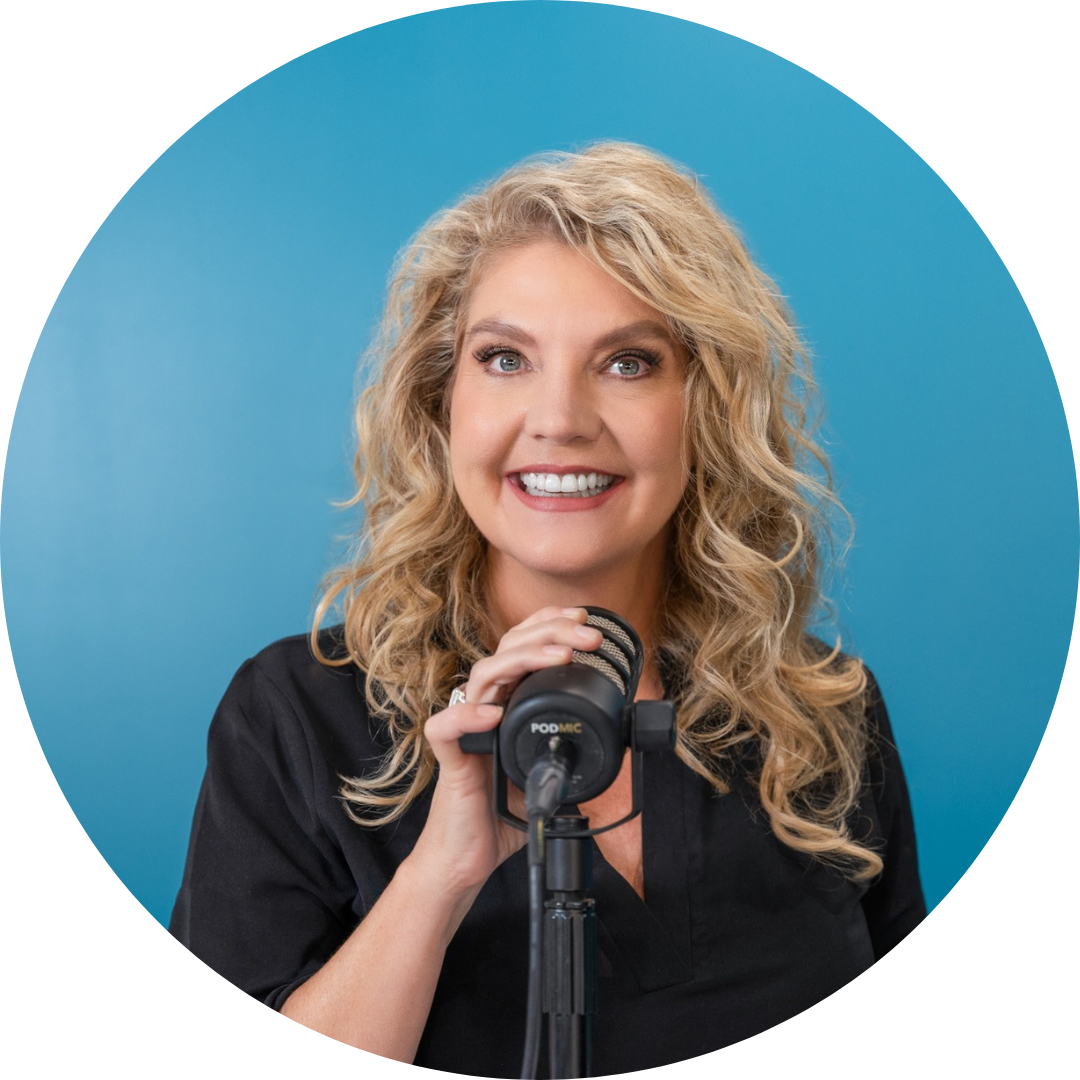
Traci DeForge, founder of Produce Your Podcast, an award-winning full-service production and audience growth marketing agency, is recognized as an international podcast expert, sought-after speaker, and media contributor. The creator of the Podcast Management Academy, the industry’s only certified podcast manager training program, PodHive, and Co-Founder of the Podcast Professionals Association. Traci hosts the Growth Accelerator Podcast, and co-hosts the popular Ask Brien Radio Show in Los Angeles. She’s been featured on all three major networks, including CNN, CTV, American Express Open, and RadioINK. She is also a member of the Rolling Stone Culture Council.
Takeaways
- Clarity before creation: If you do not know why you are launching a podcast, it will never feel sustainable.
- Consistency beats frequency: One high quality episode you can maintain is more powerful than weekly content you resent producing.
- Guesting counts as a strategy: You can build authority and reach new audiences without running your own show.
- Audio builds deeper trust: People invite podcasts into their kitchens, cars, and daily routines and that matters.
- Podcasting supports SEO and AI discovery: Audio and video content increase repetition and visibility across search and AI platforms.
- Food content works without visuals: Storytelling, sensory language, and real life examples make recipes come alive in audio.
- You do not need fancy gear: A simple microphone and a phone are enough to get started.
Resources Mentioned
Get Megan’s Memoir – Take the Exit – Step inside the story!
Produce Your Podcast YouTube Channel
Transcript
Click for full script.
EBT784 – Traci DeForge
[00:00:00] Megan Porta
For real, you guys, I went into this conversation wondering if podcasting was still relevant for food creators in 2026. And I walked out of the interview with a plan to start my own foodie podcast. I’m dead serious. Traci DeForge, industry trailblazer and founder of Produce Your Podcast, completely shifted my perspective. Today she shares how podcasting can deepen your audience connection, multiply your content’s reach, and open brand new revenue streams. If you have ever been curious about adding a podcast to your foodie business or your blogging business, this episode will light the spark. I hope you enjoy it.
[00:00:38] Intro
Hi, food bloggers, I’m Megan Porta and this is Eat Blog Talk, your space for support, inspiration and strategies to grow your blog and your freedom, whether that’s personal, professional, or financial, you are not alone on this journey.
[00:00:52] Megan Porta
So I was thinking one of the pain points that food bloggers might have when it comes to. To thinking about running a podcast and running a food blogging business is I can’t do it all.
[00:01:03]
I can’t find success on all platforms. How would you break that down and I guess solve that pain in just a couple of sentences? Like, how is this conversation going to help people with that problem?
[00:01:18] Traci DeForge
Right. So I think that the first thing that I would say around that is that you want to launch a podcast. You want to really identify the why you’re launching a podcast. But really more importantly is that if you already have an active blog and an active business built around your blog, paying attention to what the benefits are by adding a podcast into that marketing strategy and creating something that is sustainable for you, because it is that consistency that will compound over time, just like it does with the writing and publishing of your blogs.
[00:01:52]
And there’s no right or wrong way to launch and release and maintain a podcast. It’s really more of a what’s a right or a left that works for you. And if you can discern what that is on the front end, then you’re a lot more likely to have that podcast be a sustainable part of your business model.
[00:02:10] Megan Porta
Okay, and before we get into the points of, you know, like, how can this benefit your business? Because I know, I have a podcast myself, I know how much it can benefit your business. I just wanted to say up front, I know that there are food bloggers listening who have tried this and they just didn’t see fruitful results within a year or even two years.
[00:02:33]
Do you feel like they just need to keep going? Maybe they need to pivot and try something different. I just wanted to get your thoughts on that up front, because I want those people to listen to this.
[00:02:44] Traci DeForge
Sure. Okay. Well, I think what you have to really start out understanding is that it’s not a one size fits all, and it a lot depends on when you started the podcast, what was going on in your world and your business at the time, and what was going on in the world at the time.
[00:03:01]
So, for example, at Produce Your Podcast, we often get people who come to us as a result of starting a podcast and maybe not seeing it grow the way that they were hoping it would. Or. Or maybe they started it during the pandemic when they had more time and now they aren’t. Maybe have that same element of focus that they had during that time and they are wondering what is the benefit in doing this for me and for my business and continuing this?
[00:03:30]
So really identifying, are those growth barriers, are they happening as a result of something that is going in your workflow processes, in your life? And. Or is it something that could be a technical tactical barrier of growth, like the discoverability element, SEO and podcast algorithms? And all of the things have changed so much that your podcast can’t be a set it and forget it.
[00:03:57]
So have you gone back and maybe identified where your show description lands and how people are able to discover your show? And really looking at some of the intricacies that are under the hood, if you will, and, and figuring out maybe there’s some growth barriers, that maybe you set it up appropriately initially, but the industry has changed or the technical aspects of the podcasting world has changed and you maybe not have been able to rise to meet those differences or those challenges.
[00:04:23]
So taking a look at that as well, and biting off more than you can chew. Pardon the food pun, but. Or not pardon it, but a lot of there’s a lot of ideas around what makes a podcast successful. And because people say you should do this or you should do that, I don’t believe in shoulds when it comes to podcasting.
[00:04:48]
I feel like podcasting needs to be what’s right for you and where you are in your business. And if releasing one really good quality episode a month is what you can show up for and what you can consistently do for your audience and they can benefit from that, then that’s okay. You need to give yourself permission to be like, I can put out one super great quality episode, or maybe there’s an opportunity to take that one big episode and repurpose it into multiple different types of episodes to keep that consistency.
[00:05:19]
But at the end of the day, it is going to be about the consistency that you deliver to your audience, just like you deliver your blogs.
[00:05:25] Megan Porta
Okay. Yeah. In our, our space, I can tell you, success looks like finding a new audience, finding maybe a new community who can connect with your content that you create. So food content, finding a new revenue stream, just diversifying your brand, I guess, in a way that is really helpful for people. So that’s just so, you know, like, that’s probably how people are divine. Defining success 100%.
[00:05:55] Traci DeForge
Yes. Yes. Well. And so with that, there’s also an interesting alternate perspective where podcasting can really benefit and you might not always have to rely on your own self as the content creator and release episodes every week or every other week in order to benefit from podcasting. So what we’re doing right now is I’m showing up to your podcast as a guest.
[00:06:20]
Your audience is getting to know me and my expertise, and we’re having a really great conversation. But when I leave this episode, you’re going to actually have to do all the work. Not me, but I would have had the opportunity to meet your audience and get to know them and then again, get to know me.
[00:06:38]
So guesting on podcasting can be a solution. It’s really a great complimentary strategy to all the things that you’re saying. Finding a new audience, really getting information out about you as the expert or what it is that you’re doing, really being able to show your personality, having people have the opportunity to get to know you, but it doesn’t come with all of the heavy lifting of just constantly putting out your own episodes.
[00:07:04] Megan Porta
Yeah. So, yeah, I like that, that you’re offering two different things. So you start your own podcast, which has its own benefits, and a podcast guesting, which takes the heavy lifting off your shoulders and can accomplish some of those same things. Now, if somebody does try to start their own podcast, what benefits do you see would come directly to your.
[00:07:27]
Like a food blogging business, specifically.
[00:07:30] Traci DeForge
Right. So I think when you’re thinking through your food blogging business, or any blogging business for that matter, you really. And content creation in general. Right. So we’ve got content creating as. As a business model now and specifically into the food blogging, is that there’s a completely different audience connection and experience when somebody is listening or watching you create your content versus reading your content.
[00:07:56]
And there are a lot of opportunities for you as a creator, to have that content jump off the screen, if you will, and have the opportunity for storytelling, have the opportunity for, you know, I have a significant background decades of broadcast radio experience. And one of the things that we often talked about in the world of traditional radio is the theater of the mind.
[00:08:20]
And so when you are thinking through a content creation process and how to diversify that thinking, thinking through, adding a podcast to your content creation workflow gives you the opportunity to connect in real time, in real life, with your story and how people can experience you again as the creator, separate from the words on the screen.
[00:08:44] Megan Porta
Yeah, yeah, I, I think a lot of food creators are going the route of YouTube. So how do you differentiate that? Because on YouTube you can pull audio. And then maybe, I mean, maybe now that I’m saying this, maybe it would be a good idea to do both. So you could do YouTube, pull audio and put it into podcast format.
[00:09:08] Traci DeForge
Yes, there’s a lot of different ways to answer that question, but I’m going to start with the SEO discoverability piece, because I know that when it comes to blogging specifically, SEO is a real driver to find new audiences and find and connect with new audiences. It’s not all that different with podcasting, especially with the introduction the last couple years and the prominence of video into podcasting.
[00:09:32]
So YouTube is the second largest search engine owned by the first largest search engine, hello, Google. And so that discoverability piece alone is a significant benefit in investing your time and resources into extending your brand outside of your blog. The SEO pieces of that are tremendous. And then the additional opportunity that you have with the Apple platform, Spotify, the audio version of a podcast, then again takes that SEO discoverability and it extends it into another wide ability to connect with a new audience.
[00:10:12]
And with all of the advances that are happening with AI, one of the things that people underestimate right now, or it’s still such a new discovery that they haven’t really integrated it into their marketing strategy yet, is that if you want to show up in the AI overviews for the AI platforms, then they are looking at frequency and repetition versus, like vertical blogs or website content.
[00:10:40]
So you don’t want to obviously abandon what you’re getting off your SEO juice from your blogs and website content. But if you want to show up as an expert and you want to show up more frequently in the AI overview, you want to show up more frequently in terms of repetition. So that’s putting out your own content, audio, video, that’s guesting on other podcasts like we were talking about before, that is just feeding those algorithms so that the AI is finding you in multiple different places.
[00:11:09]
So that’s just one benefit in itself. Certainly not the only Benefit, but second to that is it really broadens your opportunity for monetization. And so there are a lot of brands right now whose marketing strategy is to connect with content creators as opposed to hiring actors or being able to create the traditional radio, TV commercials.
[00:11:36]
Those aren’t necessarily working as well as they used to. So brands are investing in these relationships that content creators have with their audiences. And if you want to build a relationship, there is no stronger way than showing up personally on video and audio. And you also get to be able to maximize your packages that you’re talking to sponsors with.
[00:12:03]
Excuse me. So when you’re talking to your brands, you are broadening the reach that they can have in terms of, I’m writing and I have my content here, and I’m podcasting and my content is here, and I’m on YouTube here. And now, if you’re sending out a newsletter, if you’re posting on social, like, you’re creating a much more robust opportunity for a brand to connect with you and your audience.
[00:12:26] Megan Porta
Yeah, yeah, I like that. And I think a lot of people are in tune with that, just diversifying the brand and getting on more platforms, as many platforms as possible, just to widen the scope of who you are. So a lot of us talk about food. So I know that one of the hangups for starting a podcast is why would I talk about food when people like to see food?
[00:12:49]
Do you know what I mean? So what do you think of that? Like, what specifically could a food blogger talk about food? How could they talk about food in a way that would benefit people versus just going to YouTube and seeing food or going to their blog?
[00:13:03] Traci DeForge
Sure. Well, I mean, I think again, back to that theater of the Mind scenario especially. And this is a tip for if you are currently a host and you’re creating video and you’re repurposing or utilizing the audio platforms, this is a tip in itself, which is to make sure that however you’re communicating in your video is going to translate to the audio version.
[00:13:26]
So anything that you’re saying, like, watch, watch as I do this, or this is a great. This is a great brand right here. So when I do that, the person who’s listening, they may not have any idea what you’re talking about. So you want to be like, watch as I whip these three eggs and make them very fluffy, or this brand of olive oil by, you know, X brand and with the green label and the pink text is going to be the one you want to start.
[00:13:57]
That’s going to be the showstopper in the grocery store aisle. So those are like the differences that you just want to layer into your content. Regardless, if you think about a recipe, your recipe would be pretty bland if it only had these three ingredients, right? So your content creation, you have to about it in the same way.
[00:14:14]
It’s like you want to make it robust, robust. You want to make it flavorful. You want your stories to be exciting. You want them to have all the flavors. Right. And so thinking through how you’re presenting your content is really, really important in that way. And then also, just the idea of the storytelling aspect itself.
[00:14:34]
Like an example that I was thinking of one of the episodes I was listening of yours before I came on the show was the mindset episode that you did. I think it’s Lauren less. And she was telling a great story about how she got a lot of engagement about. Her story was about authenticity and it was about how she got a lot of food stains on her shirt.
[00:14:59]
And she posted on social that she needed a bib because of the, you know, being. Being messy. Right. But so like, that’s a perfect example of like, if she was wearing a bib in the picture or something like that. Okay, great. That’s gonna get that visual. But then just talking about like chocolate splattered T shirt, like, you can picture that in your mind, right?
[00:15:22]
So that, that I think is just really important that you have that opportunity for that story to pop off when you are using both audio and video. And I think that that’s bringing into like, your viewer comments and Recipe Q&As. Like, I think for me, as a person who really likes to read food blogs and watch podcasts around food, and I’m just, I love food and I’m a foodie, but I really like the idea of being able to know.
[00:15:55]
Like, I’ve made this recipe before and I substituted egg whites versus eggs. I’m on an egg cake today. I don’t know why. Must be hungry, but. Or like, you know, using coconut oil instead of olive oil really worked for me. Or if you have an allergy to nuts, you could substitute this. Like, reader comments and questions, I think are a really great way for you to be able to show up as that expert and really provide that level of.
[00:16:20]
Of information and you can repurpose that into little snacks. Another food reference into social as well.
[00:16:28] Megan Porta
Okay. I absolutely love that idea of taking common questions or comments on any platform really, and then turning them into a podcast episode about a given recipe that is gold. And then I was going to say too as you were talking, I was thinking about how special podcasts are because people take them with them, they carry them in the car, they carry them on walks, they put them in their ears while they clean or cook or whatever.
[00:16:57]
And they don’t do that with any other medium. They don’t read blogs while they’re driving, they don’t even watch YouTube videos while they’re driving. So it’s, it is a really unique and special medium and I, I think we forget that, that people will put on a podcast and listen to the entire thing from start to finish.
[00:17:16] Traci DeForge
Well, I mean, I think that you’re spot on. I mean, so the average podcast listener will invest anywhere from 20 to 45 minutes on the average. And into listening to the conversation that you’re either having with another guest, like we’re having right now, or having that opportunity for that solo episode. Especially when you think about being in the kitchen because you’re cutting, you’re prepping, you’re stirring, you’re getting ingredients out of the refrigerator.
[00:17:45]
If you have that podcast in your ear while you’re multitasking, people are going to you as a resource to be a better cook or to be a better entertainer or okay, how am I going to get this charcuterie board laid out in this holiday snowman? Like I saw it on Pinterest or I read it here, but like I need some step by step instructions right now, but I gotta be hands free and I can’t look at a screen while I’m doing this.
[00:18:13]
So really underestimating the power of the relationship that you build with someone through audio is such an important caveat to take into consideration. It is, to your point, the only medium where people will invite a virtual stranger into their cars, their house, their bathroom, their kitchen, their gym, their taking them on a walk.
[00:18:34]
But the reality is they don’t feel like it’s a stranger. That’s why they’re willing to do it. And brands love that alignment, that engagement, the nature of that relationship. And they are much more willing to invest in the quality of an audience like that versus the quantity. So you’ve got more time spent listening than you do reading in most cases.
[00:18:59]
But you also are forming a relationship with a community that you can take offline and put in real life through comments, questions, and continue to develop that community with those kind of interactions that people feel included, they feel like a part of like the whole get ready with me on, on Instagram and TikTok mean like cook with me.
[00:19:24]
Like who doesn’t want to do that, like, come with me and cook with me in the kitchen. Like, it’s the exact same benefits that you get, like, from the. Get readies with me because I want to know how you put your mascara on. I want to know how you season your chicken right?
[00:19:35]
So, like, that. It’s so beneficial in so many ways.
[00:19:40] Sponsor
If you have been feeling a quiet nudge, maybe it’s a whisper telling you that there is something more waiting for you. My new book, Take the Exit, is your invitation. It is the story of how my family spent 10 summers traveling in our RV and how the open road completely reshaped how we live, how we love, and how we choose our life.It is vulnerable, it’s uplifting, and it is filled with miracles, impossible timing, and unforgettable moments, both happy, sad, and everything in between that still make me emotional. If you are ready to design a life that feels like freedom, this book will speak straight to your heart. Take the Exit is already launched. You can find your copy at meganporta.com. Head to meganporta.com for all the details.
[00:20:28] Megan Porta
I just had an idea I’ve never had before. I don’t know. Tell me what you think.
[00:20:32] Traci DeForge
I like that. Let’s workshop it. Let’s workshop it. I love that.
[00:20:35] Megan Porta
I don’t know if this would work, but I don’t know why it wouldn’t. But I was just thinking, because you know how people do YouTube videos, like, okay, here’s my chili recipe. Now we’re gonna cook together. And here’s, you know, like, I’m getting out the spices, but do you really want to look at.
[00:20:51]
Like, when I cook, when I’m looking at a video, it’s really hard because I’m like, okay, hold on. Like, pause. And then, you know, it’s, like, disjointed. But what if.
[00:21:00] Traci DeForge
And then you have to use your finger on, like, your iPad, and then you got, like, seasoning or, like, right.
[00:21:05] Megan Porta
And everything on your finger.
[00:21:06]
See?
[00:21:07]
So what if you did that on a. Like, cook with me for a given recipe on a podcast. And then it’s like, okay, you’re. You’re in. I’m in your ears. And then I just. I’m walking through the recipe, and so as I’m recording it, I’m actually making it, so I know how long each step is taking. And then I can add little bits like, I don’t know.
[00:21:26] Traci DeForge
Okay. Okay. I am all in on this. And we’re going to workshop this, and here’s why. This is the exact types of conversations that you want to have. If you’re either launching your podcast or taking your podcast and revamping it, or let’s, let’s say it’s been on hiatus and you’re bringing it back, these are the kind of conversations you want to have and preferably with somebody like me who gets super excited about it, but also is of an expert in the whole formatting thing.
[00:21:53]
Because one of the reasons why podcasts don’t feel like they’re sustainable or the people have a challenge keeping and maintaining it is because they get locked into thinking that you have to only do one format and it has to just be a Q and A. And most people think, well, most podcasts have guests.
[00:22:11]
I’m not going to be able to get guests or I don’t have time for that, or I don’t know. Or people think they have to have like these high profile guests. And all of those are. None of those are correct. They’re all myths. However, the most sustainable strategy for a podcast or a creator is going to be that you get excited to show up for it.
[00:22:33]
And creating something like what you’re just talking about, like a cook with me is so relatable and so like, like addictive. Like you would want to come like once a week if you cook with me somebody, it’d be so addictive. So producer podcast. We launched a podcast a couple of months ago called the Civic Brief.
[00:22:55]
And one of the things that was so appealing about this host was he did have a network of guests that he wanted to introduce and interview. He also is a fabulous writer and he was writing blogs that were called Walk with Me. And they were storytelling blogs that were like, if you could have a conversation with George Washington, if you could have a conversation with Eisenhower.
[00:23:22]
So what we did in his strategy was that we created just once a month, taking a break from the video fatigue or the video production piece of it, and taking those blogs that he had written, the Walk with Me, and doing sound design focused audio only episodes, because you can’t interview George Washington, who everybody would if they could.
[00:23:45]
But to be able to do a walk with me where you’re having a simulated conversation as if. And then you literally encourage someone to go out and take a walk and listen to the episode. It’s the exact same idea that you were having. And I’m so here for it. Yeah, like absolutely.
[00:24:02] Megan Porta
No, I love it because I would do that. If I wanted to make a recipe I’d never made before, I can easily put my AirPods in and like, okay, fill in the gaps when we’re waiting for the water to boil or whatever with entertainment, that’s when you could bring.
[00:24:17] Traci DeForge
In the comments too, right?
[00:24:18] Megan Porta
Comments.
[00:24:19] Traci DeForge
Or just. Yeah, that’s when you would. Fun. Yeah, like, yeah, like with the chili thing, it’s like, okay, so we’re making white bean chili right now, but in the comments, they were out of white beans and so they substituted the red beans or they, they were vegetarian, so they did vegan chili. Like, there’s so many different ways to keep it entertaining as the, to fill those gaps.
[00:24:40]
And so that’s again, like the brands and the audience, it’s a win, win, win for everybody because you can integrate that into your blog post, you can integrate that into your social clips, you can introduce the concept to your audience in your newsletter and it really becomes this whole engine that this ecosystem of content creation as opposed to just keeping everything in a silo.
[00:25:05] Megan Porta
And you’re not going to take away from, say, the YouTube watchers, because people like watching. They have their preferred medium. So the YouTube watchers are always going to be YouTube watchers and people who like podcasts are always going to be people who listen. So it’s not like you’re detracting from other platforms. You’re just, I think, adding to your community base by doing something like this.
[00:25:27] Traci DeForge
Well, and spoiler alert, there are a lot of people that discover podcasts on YouTube, but they listen to them on Apple or Spotify.
[00:25:34] Megan Porta
Right. That’s true too. So I know, okay, we’ve made a compelling case. I think, like, yes, this could definitely benefit your brand monetarily and also just diversification wise. But I know another hang up is okay, but it seems like such a big ordeal to launch and get it started. Can you break that down?
[00:25:57] Traci DeForge
Sure. So I think it’s as difficult as you choose to make it. I think one of the things that we see a lot with any type of content creation, and it might be equivalent to what you might consider a writer’s block, is that a lot of times you will use things, even if it’s psychological, it’s a mindset that will keep you from actually moving forward.
[00:26:20]
So you think, I don’t like my voice, I don’t have the right equipment. There’s. There are already too many podcasts out there. Like all of these conversations that you have with yourself about why you won’t do it, my goal and my desire, my wish for you would be to have the conversation with yourself about how can you do it, not why you can’t do it.
[00:26:47]
And once you change Your perspective around that and you really start thinking about putting on your AirPods and recording yourself. And doing a cook with me to start out with is not that complicated. You know, you can start simple and you can grow into a full video production. You can if you want to have interesting conversations with other foodies or just people like me who are curious about food and you wanted to have a just a fun conversation, you can record that conversation in audio and video and just start with the audio piece.
[00:27:27]
You can there. I think the thing that is the most important is to not what you can’t do, but what can you do that works for you to get you one step further into the process. Because I think, you know, I used to literally shiver when I would hear someone say done is better than perfect.
[00:27:50]
Because I have really ingrained so significant perfectionist issues like 12 step recovery oriented perfectionism issues. But none of that has ever served me. What has served me is figuring out a way to get around my mindset, to be able to get something out there to get feedback on and then to be able to grow.
[00:28:13]
Because let’s face it, like the first podcast, what I was talking about when I, before I launched, produce your podcast. I still love that show. It’s journey to there. It’s all about the intersection between personal and business growth. I thought I had to have broadcast quality production because I have a broadcast radio background.
[00:28:33]
I thought I needed to release 10 episodes simultaneously in order to get into new and noteworthy. I thought, I thought, I thought, I thought, I thought and I did all of those things. And by the time I got those first 10 episodes out, I was exhausted. I had overloaded my audience because nobody had time for 10 episodes.
[00:28:52]
They all thought they were supposed to listen to them all at once. I wasted so much good content by not spanning it over a 10 week period of time. And they weren’t great. I mean they were good, but they weren’t great. But I felt like, I mean I spent six months, I had to have the right website, I had to have the right cover art, I had the right, you know, and what I had, what I really needed to do was just get over myself.
[00:29:19]
Yeah, that’s what I needed to do. And so when we work with podcasters, you know, we have the capacity to deliver everything in a fully white glove, touch point way. Or we have the opportunity to connect with you on a one on one power session and go, you got this. The only thing you need to do is 1, 2 and 3.
[00:29:40]
Come back to me after that and let’s talk about 4, 5 and 6. So you have options, right? That’s the thing you have to keep. You have to just keep your mind open to possibilities.
[00:29:50] Megan Porta
And as far as equipment and tech go, there’s not much really involved. Like you said, you don’t need a full blown studio to get started. You need maybe even just a phone or a microphone. A simple microphone and simple recording software, editing software, and that’s it.
[00:30:08] Traci DeForge
Right. I mean, you know, I’m going to come from a place of advocating for you to invest in the best quality equipment that is affordable for you. That does not mean that you have to invest in the best quality equipment. There is a big difference. But a good quality microphone, like for example, the microphone I’m using right now is a rode podmic.
[00:30:32]
It’s $100, right? If you can’t do that, then get a microphone that has a USB and what’s called an XLR so that you can grow into the xlr so you could use the USB first. And then when you wanted to upgrade, you don’t have to buy a whole new microphone. I think Audio Technica makes a really good mic that does that.
[00:30:53]
So use the USB until you want to improve your quality and then grow with it. A good quality ring light is going to take you places that you didn’t even know you could go visually. And they might be $20. Right. So there are opportunities to invest in quality, affordable equipment that meets your budget.
[00:31:16]
I think that’s really important to take into consideration because I will see people who will put off doing something because they think they can’t afford the investment of the equipment, but what they really can’t afford is to wait.
[00:31:29] Megan Porta
Ooh, that was good. I liked that. Okay, this is very compelling. I’ve tossed around the idea of starting a food podcast for my food blog. I’ve never been quite as almost convinced as I am now. I just feel I don’t have the capacity for it now. But maybe in 2026. I just think this would be so valuable for my, my audience, for people who really get into that audio learning and who could just carry me with them while they cook.I feel like, gosh, why wouldn’t I do that? So well.
[00:32:06] Traci DeForge
Thank you.
[00:32:06] Megan Porta
And is there anything else that we haven’t talked about that you think would be a benefit or just something that food bloggers would like to hear about this topic?
[00:32:15] Traci DeForge
Yeah. So, well, let’s workshop your idea for a second because I love, I love the pathway that you’re going down in. So in order to simplify the strategy, what I would recommend is you already have an amazing workflow, you already have an amazing podcast, right? So your audience is that your current audience is really, really looking to you for guidance and insights and how tos.
[00:32:38]
So what I would start with is I would start with documenting almost a diary of your experience and launching your next podcast. So then you’re taking your audience along with you so you could do episodes, even if it is just a miniseries that has a beginning, a middle and an end, where you’re basically like, come along with me as I launch my second show that is going to be targeted toward my food blog.
[00:33:05]
And so what you’re doing is you’re setting up some accountability for yourself. You’re leveraging your existing audience that already knows, likes and trusts you and would be interested in probably checking out that other a podcast when it’s up and going. You’re also sharing your vulnerabilities and your insights in terms of what’s working for you, what’s not working for you.
[00:33:25]
Your audience also becomes your focus group and so they can weigh in on your cover art. They can weigh in on your whole creative process. You bring your community into. Do you like this cover art or do you like this cover art? Should I have a special segment that’s just about recipes or should I do a special, like a special section about food allergies or all of the things or you know, and get.
[00:33:49]
Have your audience that currently watches and listens to you be a part of your creative process, have them included in this launch alongside you. And then once it’s up and ready to go, these episodes are archived in your feed forever. So when anybody is newly coming and you’re getting new audience all of the time, they check out your back catalog that’s going to introduce them to your other podcast if they haven’t found you that way.
[00:34:15]
So you’re really kind of checking all the boxes by having this audience be a part of your building your next audience and then cross promote once both shows are live, have synergy between them. Like you’re already doing some ads in your show promoting that your podcast is on YouTube. Think about using that inventory to then say, hey, if you’re a food blogger and you’re loving my episode here, check out my own food blog podcast and see if you like that too.
[00:34:46]
So you really have this really great opportunity for you that I hope you’ll kind of implement some of these strategies next year and let me know how it goes.
[00:34:53] Megan Porta
Yeah, no, those are great ideas. I love the idea of Documenting the process and turning that into maybe like a little YouTube series or like, you know, taking people along in the journey. Like, I’m considering, here’s what I’m considering. Let’s do it together. And then hopefully that encourages other people to do it as well.
[00:35:10]
And yeah, this is such a great idea. I think a great strategy to implement in 2026 as people are trying to diversify their brands and just get more traction in every way. Why not? Podcasts are super popular for a reason. I think they’re, like I said earlier, they’re just a really special medium.
[00:35:33]
So don’t discount, don’t discount the podcast.
[00:35:38] Traci DeForge
No, not at all. It’s a very powerful addition to your marketing strategy and to your business model.
[00:35:44] Megan Porta
So how can produce your podcast help? You kind of alluded to it, but tell us more formally just now, if somebody is interested in creating a foodie podcast and they need a little bit of help, how can you help them?
[00:35:57] Traci DeForge
Thank you so much for asking. Well, people just experienced what it would be like to work with me as a strategist. So if that style works for you, I definitely encourage you to connect with us on Produce your podcast dot com. We are a full service podcast production, marketing and growth agency. So what that means in short sentences is that if you already have a show, you can come through and work with us by us starting out doing a podcast audit, really discovering some of those growth barriers, figuring out if, if your show’s been stagnant or maybe it’s again been on a break and you’re bringing it back or you’re thinking about a rebrand.
[00:36:32]
So existing podcasters come in, can come in through that. But we also do audience growth, audio ad campaigns and guest booking services. So we are 100% full service. We literally touch point every part of the ecosystem from strategy to launch to growth to monetization, working with brands. And if you haven’t launched a podcast, but after listening to this, you’re like, okay, I’m in.
[00:36:59]
I’ve been putting this off. I’m ready to go then. That is very exciting because we will work with you to build the show from the ground up. We’ll talk and do talk about and do strategy similar to what you and I have touched on in here. But then we’re literally going to do all the heavy lifting for you.
[00:37:16]
We’re going to curate the music beds, we’re going to get the voiceovers, we’re going to make sure all your SEO is podcast specifically optimized, and then we’ll work with you through the life cycle of your podcast with all the growth opportunities. So I would just say if this is at all, even if you’re just curious about it, to connect with us on producerpodcast.com because that’s where all of our resources that are really available to you to help you really grow your show and grow your business.
[00:37:41] Megan Porta
Amazing. Thank you for this encouragement. This is going to go live early in 2026, so I think this is a perfect just food for thought for people. So thank you. We really appreciate you.
[00:37:56] Traci DeForge
Yes, thank you. It was a great conversation. I can’t wait to see and hear your new podcast in 2026.
[00:38:03] Megan Porta
Yep, I’ll keep you posted. And then to end.
[00:38:05] Traci DeForge
You heard it here first.
[00:38:07] Megan Porta
You heard it here first. To end. I’ve been asking my guests if you just have kind of a big tip for food bloggers going into 2026, if you had something, it doesn’t have to be related to the topic, but it can be just something to inspire, encourage them.
[00:38:22]
This year.
[00:38:24] Traci DeForge
Yeah, I think I’m, you know, I’m coming back to where we started, which is I wanted, I was wanted to be a writer. I wanted to write a book and that’s why I launched my first podcast, Journey to There. I didn’t end up launching the book. I ended up launching producer podcast, which has led to hundreds of thousands of episodes put out into the world and a ripple effect of which I will never know the impact but I know we have as a result.
[00:38:54]
Our podcasters have launched their own books and have really made impact into the world as a result of having their voices put out there. So I share that because where I started is not where I am today and what I thought was going to happen, but I started. And that I think is the most important thing is like if you have something on your heart that is driving you to do something, to create something, to share something to get your to change a conversation that you need to have with the world, start it with one voice at a time, let that be your voice and you really never know the ripple effects that you having a conversation can make a difference to somebody in any way, shape or form.
[00:39:39]
But the impact is undeniable and can be unbelievable. So don’t worry about where you think it’s going to end, just begin.
[00:39:49] Megan Porta
I think this is one of the biggest messages that people need to hear in the entrepreneurial space. I hear this so much, so much I can’t even tell you that the hang up is. But I don’t like I don’t have the whole thing sorted out. I don’t know how to get where I want to go.
[00:40:04]
I don’t even know where I’m going. It’s like, no, no, no, no. You just need to start with one thing. And like, you, you’re. Your path is exactly the point. Like, you started with one journey and then something else came up. So you just never know. Just get started and the path will lead you.
[00:40:21] Traci DeForge
Yeah, I’m still on a journey to there. It’s just a totally different pathway than I was expecting.
[00:40:26] Megan Porta
Same here.
[00:40:27]
Love that. Thank you for ending that way. And then we will put together a show notes for you, Tracy, if anyone wants to go look at those. We’ll have all of the links and information that we talked about in the episode today. You can find those at eatblogtalk.com/produceyourpodcast. So go there and check everything out.
[00:40:43]
Check out Tracy online and you know, if you’re interested in starting your own podcast, let her know. So thank you again, Traci for being here and thank you so much for listening food bloggers. I will see you next time.
[00:40:55]
Thank you so much for listening to this episode of Eat Blog Talk. If today’s episode sparked an idea for you, snap a screenshot, post it on Instagram Stories and tag me at Eat Blog Talk.I love seeing what resonates with you. I will see you next time.
💥 Join the free EBT community, where you will connect with food bloggers, and gain confidence and clarity as a food blogger so you don’t feel so overwhelmed by ALL THE THINGS!
Want to achieve your goals faster than you ever thought possible? Stop by Eat Blog Talk to get the details on our Mastermind program. This transformative 12-month experience will help you accomplish more than you would be able to in 5+ years when forging ahead alone.
Click the button below to learn what a mastermind program is, what your commitment is, and what Eat Blog Talk’s commitment to you is. Learn More About The Mastermind Program
✍️ Reach out to connect with Heather Eberle, a copywriter for food bloggers. As much as you enjoy your business, maybe writing or marketing isn’t your cup of tea. Maybe you’d rather spend more time in the kitchen and less time on your laptop. Heather is here to clear your plate! Let Heather help you share your content with the world.