Monetization Strategies for Food Bloggers
Michael has helped launch over 130 books onto major bestseller lists. But his true genius lies in showing authors how to use a book as a business tool, not just a trophy. He breaks down the real meaning of success, how to define your book’s purpose, and why the best authors start with outcomes, not words.
Listen on the player in this post or on Apple Podcasts, Spotify, YouTube or your favorite podcast player. Or scroll down to read a full transcript.
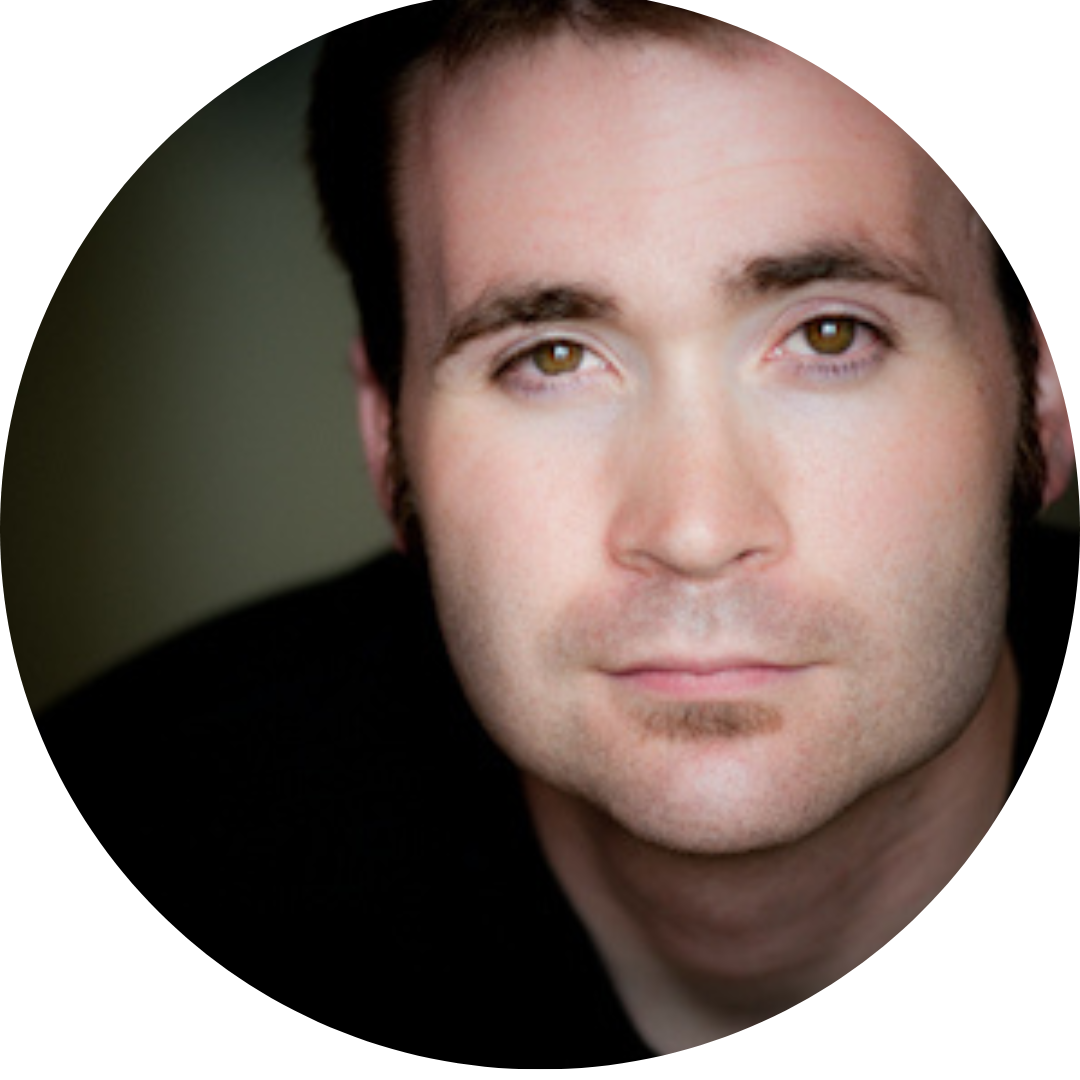
Michael R. Drew has spent his career turning ideas into bestsellers. With more than 100 books launched onto national lists and over 1,000 No. 1 titles on Amazon, he’s one of the most accomplished book marketers in the industry. Having worked with publishers such as Bard Press, Entrepreneur Magazine, and Thomas Nelson, Michael has mastered the art and strategy of getting books noticed. Today, he helps authors write with purpose, build powerful platforms, and turn their message into lasting influence.
Takeaways
- Define your “why”: Start with the outcome you want your book to achieve, then design everything around that.
- The bestseller myth: Lists don’t define success, impact and leverage do.
- Build before you publish: Create the infrastructure and audience your book will serve.
- Measure what matters: Identify metrics that reflect transformation, not just sales.
- Distribution wisdom: When and how to pursue hybrid, traditional, or self-publishing.
- PR is your job: No one will care more about your book’s success than you do.
- Start before you’re ready: Don’t wait for perfect writing, get help editing later.
- Share your story: You have an obligation to use your experiences to help others.
Resources Mentioned
Join the email list for Take The Exit – Be the first to step inside the story!
Transcript
Click for full script.
EBT761 – Michael R Drew
[00:00:00] Supercut
You are going to want to download our bonus supercut that gives you all the information you need to master Pinterest. Head to eatblogtalk.com/masterpinterest to download.
[00:00:14] Megan Porta
Today we talk about cookbooks a lot on this podcast, but today we’re gonna flip the script a little bit. If you have ever dreamed of writing a non cookbook that builds your authority, expands your reach or fuels your business in some way, this this episode is for you. Michael R. Drew, who has launched over 100 books on two national bestseller lists, shares what actually makes a book sell, why mindset matters more than perfection, and the four things every successful book needs. This is your crash course in book strategy from one of the best in the business.
[00:00:52] Intro
Hi food bloggers, I’m Megan Porta and this is Eat Blog Talk. Your space for support, inspiration and strategies to grow your blog and your freedom. Whether that’s personal, professional or financial, you are not alone on this journey.
[00:01:09] Sponsor
Hey food bloggers, we have something super exciting to share at Eat Blog Talk. The Eat Blog Talk podcast is now on YouTube. You can watch full video interviews with incredible guests sharing game changing tips for your blogging journey. Subscribe now and don’t forget to share with your fellow food bloggers. Let’s grow together. Head to YouTube, search Eat Blog Talk and start start watching today.
[00:01:36] Megan Porta
Michael, welcome to the podcast. How are you today?
[00:01:37] Michael R Drew
I’m great, thanks for having Megan. It’s a real pleasure to be here.
[00:01:40] Megan Porta
I’m so excited to chat with you. I’ve talked about cookbooks a lot on the podcast and in our realm we discuss that often. But actual like non cookbook books are a new topic. So I’m really excited to learn from you today. Before we get into creating books that sell, do you have a fun fact to share with us?
[00:02:03] Michael R Drew
Sure. You know, I think what’s interesting is before the personal computer which came out in 1980, from a mass standpoint, the number of books published between 1880 and 1980 each year was about 40,000 books. Last year there were 1,076,000 books published.
[00:02:20] Megan Porta
Whoa. Oh my gosh. And do you think that’s because of self publishing and the ability to do it so easily yourself?
[00:02:29] Michael R Drew
In part, there are a lot more self published authors that don’t show up in that number. Right, that’s. Those are people who’ve gone through a very clear process to be able to get an ISBN and from Bowker and have that issued. The ability to do self publishing becomes simpler and then the technology the last five years has advanced to a point where anybody can self publish and do pod.
[00:02:50]
Whereas back in 98, 99, there was such thing as pod. You had to have the money to print 5, 10, 15, 20,000 units in order to self publish, which is not necessary anymore.
[00:03:02] Megan Porta
Right? Yeah. Super interesting. And I think to frame our conversation, do you want to tell us a little bit about your business? So bookretreat.com is you. Right?
[00:03:11] Michael R Drew
Yeah. So I’ve been in book publishing for 27 years this year. I’ve promoted 131 books to the New York Times, Wall Street Journal, USA Today Success Bestsellers list. I’ve helped my 110 of my clients increase their gross revenue by a million dollars permanently per year, 10 by 50 million or more per year, and 7 by 100 million or more per year.
[00:03:32]
And the folks that I historically have worked with are thought leaders and influencers and heads of industry. CEOs of major corporations. And one of my clients is a gentleman by the name of T. Harvecker and wrote the book titled Secrets of the Millionaire Mind.
[00:03:47] Megan Porta
Yeah, I love that book. That’s one of my favorites of all time. I go back to it probably every other year or so just to refresh. There’s such good stuff in there. So let’s talk about creating bestsellers because I think, I mean, we write books to fulfill something, to get a story out, whatever the reason might be.
[00:04:05]
But I mean, having a bestseller is a really great concept, right? We all want the bestseller. So what’s behind that? How do we make sure it is a bestseller?
[00:04:16] Michael R Drew
Well, there’s, there’s a couple things to note. There’s what you actually want to accomplish with the book and then the, the bestseller list. So let me, let me burst bubble for, for the audience, the New York Times, USA Today Success, formerly Wall Street Journal. Those lists are not real. They don’t count real sales in real time.
[00:04:36]
Not every book that is sold at a retailer is reported. Not every book that is reported is counted. Not every book that is counted is counted. Equally, essentially, the bestseller lists are sophisticated polls that have standards for how they decide that they’re going to include or exclude titles from their list. In fact, the New York Times, in the fine print of their list, says that they’re an editorial list.
[00:04:58]
And so you’ll see that they will use their own editorial discretion to exclude books from their list if they don’t like the author or if they don’t like the content. So that’s the first thing to note. Now, being a bestseller has intrinsic value. If you have some way to leverage that one of the questions that’s often asked is, well, if I’m a bestseller, will I sell more books?
[00:05:20]
The answer is not necessarily so. The average retail bookstore carries 100,000 unique titles. Right. Some more, the average, about 100,000. Of those hundred thousand titles, between 70 to 80% are what we call backlist titles. Backlists are, is your perennials, classics and last year’s bestsellers. Right. So the majority of books on the shelf are books that have sold very well for a long period of time.
[00:05:49]
The 20 to 30%. So 20 to 30,000 units are what we call front list titles. And these are the books that are published this season. And a season by the way, is 90 days. So it’s books published this season. And that means that of the, you know, the 1,076,000 books published last year, only 20 to 30,000 of them made it onto a retail bookstore.
[00:06:12]
Retail bookstore shelf. So to be a best seller requires having commercial success because who reports to the bestsellers list? The retailers. Right. So the thing to note is that in order to be a bestseller, we have to be able to have a large enough, what you’re going to call a marketing platform, a large enough audience to begin with that will justify to the buyers at the retailers as to why they want to bring in copies of your book.
[00:06:40]
Right. Barnes and Noble doesn’t just retailer like Barnes Noble. They’re not going to read 1,076,000 books to find the best 20 or 30,000. That’s not. They have one person, one person over all of those titles for frontlist. One person. Right. So not, not even one per category that you saw a decade ago.
[00:06:58]
One person makes the decision. And how do they make the decision? By looking at the past success of the author at their stores. Because Barnes Noble doesn’t care how well the book sold at Amazon or Books a million. Number two, what is the marketing of the authority like, what are they bringing to the table that’s going to drive traffic into Barnes and Noble stores to create sell through of the inventory off of their shelf?
[00:07:17]
Because the retailers really only care about, I mean it’s not that they don’t care about the content, but what they care about their business. They’re a for profit business. They want to make money and they make money from selling books. And so what they’re looking for are the authors that have A proven their ability to create sell through at their stores and and B, have the marketing chops and ability to be able to drive traffic into their stores.
[00:07:40]
And so those are the primary things that they’re. That they’re looking for. And so becoming a bestseller requires an understanding of both the technicality of how the lists work. Like, there are rules for reporting, there are rules for being counted and efficiencies and all of those things. That’s one side of it. The other side, the more important side, is how are you leveraging your audience and your marketing in a way that does two things.
[00:08:08]
Number one, accomplishes your. Your outcome, your business outcome, and secondly, that then meets the standards. At the New York Times, I could categorically state that all of my clients, all 132 of them, were using their book in a capacity to build something bigger than the book itself. The book was a tool, a mechanism to be able to get their message and their voice out there.
[00:08:31]
Of the 132 books, seven of my authors made more money from the sale of their book than from the marketing costs. But I gave you the stats. You know, they all made millions of dollars or tens of millions of dollars because of the appropriate use of their book. So for me, the place that I always start with someone is, why are you doing this?
[00:08:53]
What is your outcome? Let’s first define outcome, then define how we measure that outcome. Then define the strategy, then define the tactics, right? A book is a tactic. It’s not a strategy, and it’s not an outcome. Now, for some people, it could be an outcome, right? For some people, simply having it exist in the world is good enough, and that’s fine.
[00:09:14]
Like, write it, get it out there, share it with family and friends, and that’s fine. But for most of us, what we want to do is use our voice, our stories, our experiences to help other people. I have a philosophy that I pull in from a client. His name is Garrett Gunderson. He’s a wealth management expert.
[00:09:33]
He wrote a book titled Killing Sacred Cows. He believes that you should only invest in what he calls your sole purpose, your soul purpose. And on the investment front, what that means is that you’re investing in the companies that you know intimately well, whether they’re doing a good job or a bad job.
[00:09:49]
They’ve got the right CEO, they’ve got the right marketing plan, they’ve got the right production, all of those things because you. Because you are really knowledgeable and care about that space, right? He doesn’t believe in just broadly investing in the market. In my world, I also believe in sole purpose, but I believe that it’s given to us, not for us, but for our service, of our fellow man, that all of our experiences and Talents and skills and all of that are not given to us for us, but for me to give and share with you.
[00:10:16]
And so I believe that we have an obligation, therefore, to take those experiences and learnings and to share them with others. So then the question is, to what degree do you want to do that? Do you simply want to do that for your children and grandchildren or your neighborhood, or. Or do you have a higher calling to be able to spread that message to a much broader audience?
[00:10:38]
And that should then dictate the outcome. And the outcome then needs a measurement metric to be able to know that you’re accomplishing that. It’s insufficient to say, I want to change the world. That has no meaning. What do you mean you want to change the world? Oh, I want people to think differently.
[00:10:52]
Well, what does that mean? Right, Or I want people to eat healthier. Okay, well, that’s a really nice thing to say. How are we measuring that you’re accomplishing that outcome? So the outcome has to be clearly articulated in a way that you can come up with a measurement metric to know that you’re accomplishing that outcome.
[00:11:08]
Right. And then you could define a strategy, and then you can define the tactics that support the strategy, the strategy that accomplishes the outcome, if that makes sense.
[00:11:18] Megan Porta
So how would you measure something like, like let’s say your outcome is, I don’t know, as simple as giving people the formula to financial freedom or whatever so that they can achieve their own financial freedom. How would you measure something like that?
[00:11:37] Michael R Drew
Great question. So the more complex the outcome, the smaller the number. The less complex the outcome, the larger the number can become. So I’ll give you an example. I worked with John Maxwell on a book titled Intentional Living. And I asked him question, how do you find a measure of success? And he said, I’d like to get people telling stories of living a life of significance.
[00:12:01]
And I’m like, okay, how do we measure that? He’s like, yeah, I want a million people telling stories. Okay, so still pretty general, but a million people telling stories. So that in and of itself was enough to say, okay, you and I can privately tell stories all day, and he’ll never know that that’s not measurable.
[00:12:16]
So how do we create a process by which we can measure people telling stories of significance? And so what we did, because John Maxwell is the most well known living leadership expert in the world today, is we created a leadership assessment and we tied Myers Briggs and we said, what kind of leader are you?
[00:12:35]
And we took this to his audience and then we defined the four different types. And then we said, cool, now that, now that you’re this type of leader, would you like to be a better leader? John’s got, would like to give you a seven day challenge. Now the, the seven day challenge was, was created separately for each of the four result types that we had so that the, that the actions within the seven day challenge were the types of actions that each of the, that each result type would be motivated to take.
[00:13:03]
Because different personality types are motivated by, by different things and doing different things based on their, their, their psychology. Right. And their neurology. And so we created four different sets of seven day challenge. It was free and it basically amounted to John telling the story and then saying, here’s what I learned and here’s how you can have that same experience.
[00:13:25]
Go take this action. So the action might be going to Starbucks and buying coffee for somebody behind you. Now here’s where the metric comes in. What we said is, so you go out, you have that experience, you release oxytocin because you have that you feel great about giving back and it’s a social thing.
[00:13:41]
And oxytocin is released. Now we want you to come back and share your experience with within the platform that we had created so that we’re now releasing dopamine in the retelling of the story, searing that memory into the customer’s mind. And we’re also capturing the story after the seven day challenge. We then invited those same people who then had seven days of positive experience to turn that into a ritual or a habit.
[00:14:08]
And so we said, come to a 30 day journey with John. And so, and that included the book and the online program. And I think it was 29.95. The book was $24.95. So it included all of that. Well, between the free seven day challenge and the paid 30 day journey, in about three years we had over a million people that had gone through and shared stories.
[00:14:30]
And so when you can break it down into that level, like the outcome and the measurement metric, that clearly you can then figure out how to make that happen.
[00:14:40] Megan Porta
Hmm, Interesting. I really like that. Yeah. So it’s really thinking beyond the pages and the story you’re telling on the pages and even printing the book. But how is this, how do you want it to impact people and being able to measure that?
[00:14:54] Michael R Drew
Yeah, books are, books are really powerful tools and we need to define what they are and what they’re not. They’re not a conversation, they’re, they’re a, a speech. Right. You can’t Engage with the author on the other side of it, within the pages of, of the book itself, at least not with current technology.
[00:15:12]
And so there are limitations in what a book could do. But having a book gives you and your content scholarly status. And so what that then does is it gives you credibility that short of getting a PhD, but even then, probably not, not quite at that same level, even with a million 7,000 books published.
[00:15:30]
There were 300, there are 350 million people in the US you’re talking about a third, one third of a percent are writing a book every year. Right. And it’s a very small percentage of folks that are doing that. So when done right, the book gives you scholarly presence in the presentation of that material.
[00:15:49]
Now the thing to note is if you’ve defined your outcome and your measurement, whether somebody reads the book or not is secondary to that outcome. The book is how we lead people towards that outcome. And so oftentimes what I’ll observe to my clients is that we need to be able to release the content in multiple formats because human beings don’t always like to engage content in the written format.
[00:16:10]
Some prefer audio, some prefer video. And so we usually create programs and things online that certainly tied to the content, tied to the book. So they get, they buy the book, they get the online program as part of, as part of that, so that we can get the consumer to engage in the content in whatever preferred format they would like to engage our content in.
[00:16:29]
And so then we, then we’re able to actually get that engagement with the, with the audience member in whatever medium that they choose. And, and then we have an opportunity to create that outcome.
[00:16:41] Megan Porta
Yeah. Thank you. That’s interesting. I love that perspective. So bestseller, it goes beyond just the New York Times bestseller list. It’s thinking way beyond that.
[00:16:52] Michael R Drew
Well, so, so if you want to become a New York Times bestseller, what that means is in your business. And this, this goes for thought leadership and influence primarily. But you’ve got to a certain point, and let me be clear, real estate companies are in the, in the business of thought leadership. And I say that because what are they selling?
[00:17:13]
What’s different between ReMax and Keller Williams? Well, there’s people, but, but they’re, they’re not really different. They’re selling how they’re selling your house or they’re helping you buy a house. They’re, they’re selling the same commodity. So why do you go with real estate agent at ReMax or Keller Williams? Because of how they differentiate themselves with ideas.
[00:17:35]
Right, that’s that. So that would be an example. Both, both the Cs of both corporations are clients of mine. And so that understanding of noting that you’re using ideas to differentiate yourself from your competitors is what is, is what’s critical when looking at a book. So then when we look at running in your times campaign, it means that you’re, or we can run small campaigns, use it today, or success or smaller list that you could make.
[00:17:58]
But when you’re looking at running a campaign, it should be the use of the campaign and that status towards that, out towards that outcome. And if you’re, if you have an outcome but you don’t have the infrastructure to be able to run those campaigns, then your first book should be focused on building that infrastructure.
[00:18:18]
On average, it takes us three books with the client before they’re ready to run a bestseller campaign. And the reason for that is that they lack the systems and infrastructure and audience needed to support the technical components of the campaign.
[00:18:35] Megan Porta
Yeah, that makes sense too. Can you talk about distribution? Where should we be getting our books to distribute?
[00:18:43] Michael R Drew
So distribution. It’s a really good question and I would be very careful with distribution. So here’s the thing. Distribution means access to the market, right? Being able to have the retailers bring it in. So if you ever have the intention on any book to become a bestseller, what you need to know is that the first standard to qualify for New York Times is the number of books on the shelf is retail distribution and the the retailers use the following criteria in determining how many copies of your book to bring in.
[00:19:14]
Number one, how well did the author’s last book sell at our stores? Barnes Noble doesn’t care about Amazon, Amazon doesn’t care about Barnes Noble, and so forth. Number two, how well does the average book by this publisher sell at our stores? And number three, how old is the average book in this category sell at my stores?
[00:19:32]
Based on the answer to those three questions, a book gets a grade of A, B, C, D or F. The grade level then dictates the number of books on the shelf. And then your marketing has the opportunity to increase your grade by one. So F to D, D to C, C to B or B to A.
[00:19:51]
So a good marketing campaign can justify getting books on the shelf. But note, if you self publish a book or release a book on your own and you call your local Barnes and Nobles and force books on the shelves and you sell 20 copies and then you want to. And then three years from now you build your audience and you want to come out with a book and they, they’re now applying those standards, what are they seeing in their system that you sold 20 books.
[00:20:16]
So what, what does that. The very first part of the grading system is how will the author’s last book sell at my stores? And so now you’re an author that has sold only 20 copies.
[00:20:28] Sponsor
Madison is a current member of the Eat Blog Talk mastermind group. She has been a part of other mastermind groups before. But she says this group is different. Here’s what sets our groups apart.
This group is very different in that it’s not this hustle. Do more, you know, put out more content like it. That is not the vibe at all. And I think part of it is you’re seeing all these people who are doing less of certain things, more of other things, but you still see the success in that. And that helps to really like for me at least tamper the like I just need to do more, I just need to work harder kind of mentality, which is very much the mentality you can find in the entrepreneur space. So I’ve really appreciated that like almost like slowness that Megan brings to the group too.
The right mastermind can change everything. Let’s make this the one for you. Apply today at eatblogtalk.com/mastermind and so you have.
[00:21:24] Michael R Drew
To like that becomes an impediment to your future ability. So I tell authors who are not ready to run bestseller campaigns to be very diligent and careful about retail distribution if they ever have future bestseller desires or intentions because of that very point. And it’s very difficult you could imagine going from one book that sold 20 books, what would happen even with a big marketing campaign, what would happen on the next book?
[00:21:49]
So you get a grade of F. So at best you’re going to get a grade level of D. And so you’re going to be spent, you’re going to be working on three or four books before going from D to C and C to B and B to A. But before you can justify to the retailers to give you enough distribution to support the New York Times standards for distribution.
[00:22:06]
And so that’s a word of warning. The way that distribution works is that there’s digital access through IngramSpark, which is where most self publishers work, certainly through KDP Kindle Direct Publishing, they have direct sources with that as well to other retailers as well. And so you can set up with those companies and they’ll make the book available, which, which simply means that in the computer systems where books live, there’s an ISBN tied to your book.
[00:22:40]
And if somebody walked into a store, typed in the ISBN, they could find your book and order it from KDP or Ingram or whomever else. Beyond that, the next models that you look at are either what I call what’s called hybrid publishing or traditional publishing. So traditional publishing is your New York houses, and they basically buy the rights to your book and they pay you a royalty.
[00:23:03]
And so they are in charge of putting books on the shelf. Now, the thing that you need to know about distribution is that books that are not sold are 100% returnable by the retailer back to the publisher. So publishers, they have a disincentive to try to push books on the shelves. Because if they push 100,000 books on the shelves and they get 50,000 books back, they’re going to lose their shirt.
[00:23:30]
Like they’re going to lose a lot of money doing that. And to note, publishers only make money from selling books. They don’t make money from speeches or consulting or products or services or anything else. They only make money from selling the book. And so they have a risk mitigation model at the publishers that traditional publishers that try to limit the number of books on the shelf.
[00:23:55]
So if you want to run a New York Times bestseller campaign and you want to work with a traditional publisher, you actually have to negotiate the terms of the distribution into the contract upfront, or they’re not likely going to support the volume of books on the shelves that are needed because they don’t want to print the books and have them returned.
[00:24:14]
So that has to be negotiated up front. Hybrid publishing is kind of the combination of traditional publishing and self publishing. It’s self publishing in that you want all the rights and you have all of the costs and expenses associated with it. But the hybrid publisher gives you distribution access. So access to the market in really good ones in the same way or better than a traditional publisher would.
[00:24:37]
The value of that, if you have a big enough platform, the ability to make money is very high. But also the ability to push books on the shelves, it’s the risk of the author. And here’s the difference. If you put 100,000 books on the shelf as a hybrid publisher and get half of them back, that means you sold 50,000 books because your.
[00:24:56]
Because your outcome probably isn’t defined on book sales. It’s based on some other business metric and outcome. Selling 50,000 books is going to grow your business in ways that a traditional publisher would ever see. So that would be a win for you as an author, even though for a traditional publisher that would be a massive loss.
[00:25:14]
And so hybrid publishing gives you that control and that access to play at that higher level. When you’re ready to play at that, play at that higher level. I actually prefer hybrid publishers over traditional publishers. If you could do both the marketing and the publishing. Now here’s the other thing to note both about the publishing model and about distribution is that all frontless titles that are on the shelf are paid for.
[00:25:38]
It’s called co op. In any other industry would be called merchandising. So if you go into a grocery store and you see the Campbell soup is at hip level, Camel soup paid for that premium shelf space. The same thing happens at a retail bookstore. If a book is spine out, the average cost is a dollar per unit.
[00:25:55]
If it’s face out, it’s $2 per unit. If it’s end cap, it’s $3 per unit. If it’s at the, on the table at the front of the store, it’s $4 per unit. If it’s point of purchase or special display, it’s $5 per unit. At the airport, those number, those numbers double. So what happens is this is the other reason why traditional publishers don’t like to force books on the shelves.
[00:26:15]
Because if you put 100,000 books on the shelf, they’re going to spend 350 to $500,000 on, on buying that shelf space. Like it’s going to be a huge expense with the probability that some portion of those are going to be returned. So it makes their profit margins much smaller and much harder to do.
[00:26:31]
Whereas if you go hybrid publishing, you’ve got that, that co op cost. But again your, your ability to monetize and benefit from the sale of your book is defined differently than it would be for that publisher.
[00:26:45] Megan Porta
Can you give me an example of some hybrid publishers? Are you talking about Ingramsparks, that sort of thing?
[00:26:52] Michael R Drew
So ingramspark is technically a hybrid publisher. So KDP would be technically a hybrid publisher. Those are not the publishers that I would look at if you want distribution because they’re passive, not active. And what I mean by that is that cool, your book’s available, but they don’t have sales reps that are taking your marketing plan and going to other retailers and saying hey Barnes and Noble, here’s why you want to carry 10,000 copies of this title.
[00:27:18]
It’s passive. It’s whatever gets ordered. The Bard Press would be an example of a hybrid publisher. The Forefront Books with Jonathan Merck would be an example of a hybrid publisher. These are major companies that in some ways they’re actually More difficult to get a publishing deal with because their expectations of the authors that they bring in are higher.
[00:27:43]
Because their reputation in terms of their ability to get future books on the shelf is based on how well their past titles are selling. And so in some ways they’re more difficult to be able to get. But those would be examples of, of publishers that, that are hybrid publishers.
[00:27:59] Megan Porta
Can you talk about PR? I think this is the part that sneaks up on people. They don’t realize they have to do a lot of legwork after the book is published and how beneficial that is.
[00:28:11] Michael R Drew
Well, so the reality is, whether you go with a traditional publisher or hybrid publisher, nobody cares more about your book than you. And publishers don’t put money if you go with a traditional publisher. Publishers don’t put money into marketing. Why is that? Well, I gave you, I gave you some basic numbers. They’ve got printing costs, let’s say it’s $2 a unit.
[00:28:30]
They’ve got co op cost to pay for the shelf space. Let’s call it $3 a unit. That means out of pocket, they’re paying $5 per unit, minimum. They’re giving 55% of the retail price up to the retailers. So on a $20 book, at best, they’ve got $10 coming in, $5 coming out. On cost, they’re paying the authors 2 to $3 royalty.
[00:28:49]
They’re making $2 per unit. There’s no money left over for marketing. Pre1980, when more than half of the books that were published were put on the shelves, they had, and they control that space. Publishers have marketing budgets, but they don’t anymore. So the thing to note is that as, as an author, you are exclusively in charge of marketing.
[00:29:09]
Nobody else is going to do that for you. So then when we look at pr, books open up the opportunity to be in media in a way that no other product or service can open up for you. Now, the way that I think about PR is that it’s a form of traffic, right in, in building influence and thought leadership.
[00:29:26]
You’ve got three things that you look at. Traffic, engagement and conversion. Conversion is selling a book or a product or program or a service or whatever. Whatever it is, traffic is where you are seen in a medium or environment that you do not own and control. So that would mean if you’re buying advertising online, on Facebook, on Google, on, you know, name the social media site.
[00:29:52]
If you’re buying media on radio or TV or in newspapers or magazines, that’s driving traffic. So is PR the difference between PR and paid traffic is that PR is earned and media allows you to. Or books allow you the opportunity to earn that. That media. But what you’re really looking at is that PR is a traffic source into selling your book and trying to help you accomplish your outcome.
[00:30:21]
And as part of your marketing, it is your exclusive obligation to do PR and other marketing. Now, again, the great thing about the scholarly nature of a book is that it opens up media opportunities to discuss it. Because selling a book is not viewed as. By the media and by consumers as selling a product like selling a can of soup would be.
[00:30:47]
It’s viewed in terms of its. Its intellectual rigor and the. The ability to change minds, body, souls or hearts. Right. And so it’s viewed in that scholarly way, and people want to have those discussions. So book opens up that traffic source which wouldn’t otherwise be available to you.
[00:31:05] Megan Porta
Yeah, okay. Yeah, that makes sense. I guess if somebody is considering writing a book, and I know there are a lot of hangups involved, like you talked about that earlier, it just seems overwhelming. Maybe I’m not a good writer. What do I. How do I piece it together? What would you. What words of advice would you give to them?
[00:31:24] Michael R Drew
Well, I’m gonna go back to what I said about sole purpose and what I’ll say. My sole purpose is about voice. I help people find, test, and amplify their voice. And as part of that, I believe that, again, your sole purpose, and I believe everyone has one, was given to you for your service of your fellow man.
[00:31:41]
And what that means then is your talents and your skills were given to you to support that sole purpose. But what that means is your experiences were given to you to support that sole purpose. So that, in my estimation, means you have an obligation to go out and share your experiences and stories with others.
[00:32:01]
Now, the reason, again, that most people don’t write is because they create an internal conflict that creates analysis paralysis. And that is that they. They don’t want to do the book unless they can do it right. And I firmly believe what I said earlier, which was that if it’s worth doing, it’s worth doing poorly.
[00:32:17]
And what I would say is, the first thing you need to do is recognize that you’re not here for you. You’re here to serve your fellow man. And your experiences, your stories, are here to help your fellow man. And it is better for you to share your story in a poor way and to help people telling your story poorly than it is to hold your story to yourself and not share it and not impact other people’s.
[00:32:44]
Lives in the way that you are intended to impact other people’s lives. So I would say first thing is drop that ego and realize that you have an obligation to share the stories. The next thing is to just do it. You know what the difference between a writer and a non writer is?
[00:33:00] Megan Porta
No.
[00:33:00] Michael R Drew
The writer wrote. That’s it. They just did. They just did it. Yeah, they just did it. That’s it. And like I said, Hemingway said, there’s no such thing as a good writer, only a good editor. So if you get your story out, written out, go hire a good editor to edit it. Right.
[00:33:15]
It’s still your story that you’re sharing, right? You had the experience. No one knows that experience more intimately than you do. No one can share the details and the learning better than you can. An editor can take that and polish it into something that is pleasing to the eyes and the ears. Right.
[00:33:35]
And so the first thing is just do it. And then if you’re concerned about the quality, then go hire an editor. And in today’s world, they’re not expensive to hire.
[00:33:43] Megan Porta
Yeah, yeah, I love that. As far as maybe being a first time author and writing a book for the first time, I’m hearing you say that maybe self publishing or hybrid route are the ways to go and to have lower expectations. As far as how many people are going to experience your book.
[00:34:04] Michael R Drew
First thing that I would have them do is define outcome. What are they trying to accomplish then? What is the measurement metric? So if you’ve defined those two things and you can see what you have, you’ll also see what you don’t have. And so then you’ll be able to say, okay, well with this first book, I’m going to use it to build out some parts of what I need towards accomplishing that outcome.
[00:34:29]
So you end up zigzagging your way to get to the, to the, the summit of the mountain. You know, in when we think about flying or doing things, we think about going in a straight line. But if you’ve ever gone skiing or snowboarding, you never go straight down the mountain because if you did, you would die.
[00:34:44]
Like you zigzag yourself down the mountain. And same thing, when you’re going up a mountain, there’s a reason why roads zigzag up. There’s a reason why mountain climbers, when they’re climbing, they zigzag up because they can only go up so many feet per day without actually causing their heart to stop. Right. And so what a lot of us think is, oh, I’m going to set the goal and go for that.
[00:35:05]
The reality is it’s a zigzag all the way up to that summit and you’re not likely to accomplish it the first go around. Now if you’ve been doing it for a while, you have a platform in place, you’ve been doing it, then, sure, you’re going to be somewhere up the zigzag, you might even be close to the summit.
[00:35:22]
But if you’re just starting out, the first thing is set the summit and then to set the waypoints along the way and recognize what the book can do. So in fettering your expectation, it’s not that you’re not accomplishing the ultimate goal, it’s noting that you could accomplish this part of the goal. Right.
[00:35:38]
The other adage would be you don’t eat an elephant whole, you eat it one bite at a time. Same thing here. It’s like cool what, what we have that outcome. We have, whatever resources we have now, we can accomplish with those resources. And this first book, this, that’ll be one stop point on the way towards that, that summit.
[00:35:56] Megan Porta
I love that. And if somebody knows they need to write a book, it’s just on their heart, like I need to write a book and they don’t know exactly what it’s about. Maybe they have multiple topics they’re considering. How do they choose where to start?
[00:36:12] Michael R Drew
Well, so I mean a few things I recommend is just sitting down and letting whatever comes to mind. Now in my book outline process that we do at the retreat, we actually do it in a way that shuts down the left hemisphere of the brain and allows the right hemisphere of the brain to do a controlled dump.
[00:36:32]
So the left hemisphere is what creates self limiting beliefs and it’s what keeps us from getting started. The right hemisphere is about pattern recognition and so that pattern recognition sees what we should actually write about because it has all the patterns. So I advocate for processes like my outlining process. Now I do have the process for free at bookoutlining.com if your audience wants that they can go through that process.
[00:36:58]
Or at least I’m getting part of the process to be able to get that going. But part of it is just do it. Like just sit down, whatever comes to mind. Top of, top of mind, go and write. You know, there’s a book called the the artist, way and 60s and they advocate writing in the morning and at night, just whatever comes up top of mind.
[00:37:18]
That’s a good place to start. And another would be like the process that I mentioned earlier for book outlining, which forces you into the right hemisphere of the brain so that you can allow the right hemisphere to do what it’s supposed to do, which is identify the patterns. What’s really interesting is a lot of people who come to the retreat or go through this process, they come in with the idea of writing one book.
[00:37:38]
But once we get them out of the left hemisphere to the right hemisphere, something totally different pops up because the right brain doesn’t have the safety net of the left hemisphere.
[00:37:49] Megan Porta
Yeah, yeah, I’m sure that doesn’t surprise me at all. Okay, this has been really great. Is there anything you feel we haven’t mentioned that we just absolutely need to touch on before we start saying goodbye?
[00:38:00] Michael R Drew
Well, I think kind of as a final message. My mentor is Roy H. Williams. He’s known as the Wizard of Ads. He’s known did three books. The Wizard of Ads. Secret Formulas of the Wizard of Ads. Magical Worlds of the wizard of Ads. He was my first New York Times bestselling author in September of 1999.
[00:38:19]
So he and I were in New York after Book Expo America. They no longer do Book Expo America but it used to be the largest trade book trade convention in the world. We were walking the streets of Manhattan and he said to me, Michael, the winners and losers in life are determined when the teams are picked.
[00:38:35]
There are two teams that are essential for your success. The first are the team of folks that choose you to be on their team. The second are those you choose to be on your team. And what I would leave with your audience is the same thing. Make sure you’re on the right teams and make sure that you have that you’re surrounded by the right team.
[00:38:53] Megan Porta
Oh, that’s powerful. I love that. Amazing. Well thank you so much. Inspiring stuff to chew on here. We really appreciate, appreciate your expertise and sharing everything you did. Thank you so much for being here. We’ll put together a show notes page for you, Michael. If anyone wants to go look at those, you can head to eatblogtalk.com/MichaelRDrew if someone is interested, interested in learning more about you or your book retreats, how do they get in touch with you?
[00:39:21] Michael R Drew
So bookretreat.com they can find out. They can see past retreats and get information there. They can also email me at [email protected] M I C H A E L at P R O M O T E A b o o k.com that email does go directly to me. So if they email me, I’ll be the one responding.
[00:39:40] Megan Porta
Awesome. Well thanks again, Michael. And thank you for listening, food bloggers. I’ll see you next time.
[00:39:48] Outro
Thank you so much for listening to this episode of Eat Blog Talk. Don’t forget to rate and review a blog talk on your favorite podcast player. Thank you. And I will see you next time.
💥 Join the free EBT community, where you will connect with food bloggers, and gain confidence and clarity as a food blogger so you don’t feel so overwhelmed by ALL THE THINGS!
Want to achieve your goals faster than you ever thought possible? Stop by Eat Blog Talk to get the details on our Mastermind program. This transformative 12-month experience will help you accomplish more than you would be able to in 5+ years when forging ahead alone.
Click the button below to learn what a mastermind program is, what your commitment is, and what Eat Blog Talk’s commitment to you is. Learn More About The Mastermind Program
✍️ Reach out to connect with Heather Eberle, a copywriter for food bloggers. As much as you enjoy your business, maybe writing or marketing isn’t your cup of tea. Maybe you’d rather spend more time in the kitchen and less time on your laptop. Heather is here to clear your plate! Let Heather help you share your content with the world.