Monetization Strategies for Food Bloggers
This episode reframes productivity in a way that feels sane again. Megan explains what actually helps your brain focus, why multitasking backfires, and how to plan in cycles that match your energy and biology. She digs into the default mode network, the value of “done” definitions, and the three step planning framework she uses with CEOs. If your brain feels foggy or scattered, these tools will reset your entire approach.
Listen on the player in this post or on Apple Podcasts, Spotify, YouTube or your favorite podcast player. Or scroll down to read a full transcript.
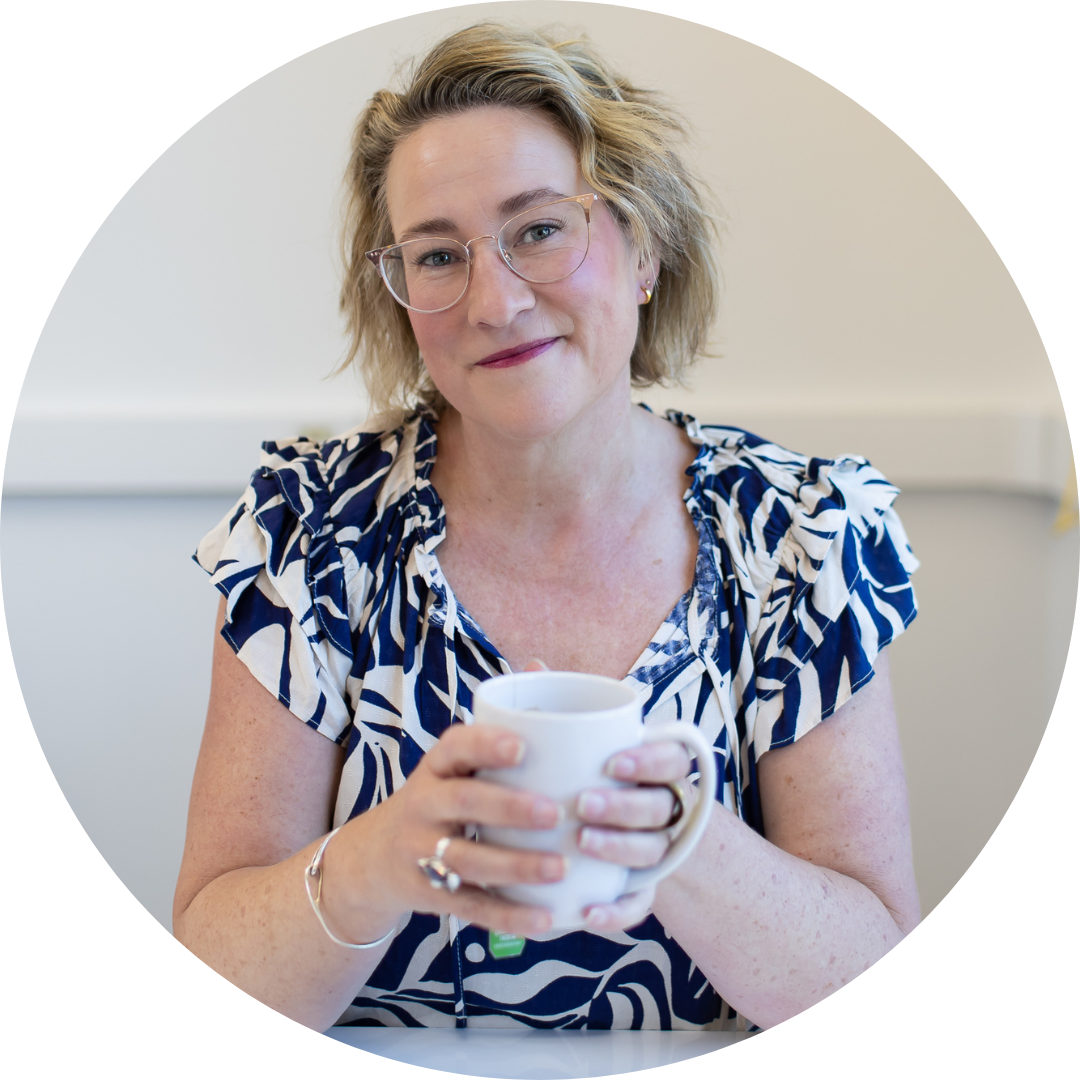
Megan Flatt is the founder of Let’s Collective, a business strategy firm helping entrepreneurs achieve more revenue, time, and fulfillment—without the hustle. Megan is also the author of Focused: Reclaim Your Time, Ditch Overwhelm, and Do Less Better, where she blends research and practical strategies to help people do less, better. When she’s not strategizing, Megan can be found with a stack of romance novels, a fresh set of office supplies and usually a latte. Learn more at letscollective.co
Takeaways
- Tasks, projects and goals are different and clarity here prevents overwhelm.
- Define your container so your brain knows when work starts and ends.
- Default mode network time matters because your brain needs space to solve problems.
- Planning in 90 day cycles works and gives your ideas room to breathe.
- Hormones influence productivity so aligning your work with your cycle can change everything.
- Triggers help you focus whether it is headphones, a playlist or a specific workspace.
- Break tasks into small wins because dopamine drives momentum.
- Do less better and concentrate on the work that actually moves your business.
Resources Mentioned
Join the email list for Take The Exit – Be the first to step inside the story!
Megan Flatt’s Book: Focused
Transcript
Click for full script.
EBT776 – Megan Flatt
[00:00:00] Megan Porta
If your brain feels foggy, your to do list feels overwhelming and your focus is scattered. This episode is your reset. Megan Flatt from Let’s Collective shares brain based strategies for real productivity, including why your brain needs marination time, how to plan in sync with your body, and the three step method to get more done by doing less. This is productivity redefined and it is a game changer.
[00:00:29]
Hi food bloggers. I’m Megan Porta and this is Eat Blog Talk. Your space for support, inspiration and strategies to grow your blog and your freedom. Whether that’s personal, professional, or financial, you are not alone on this journey.
[00:00:44] Megan Porta
Hello Megan. Good to have you on the podcast. How are you today?
[00:00:49] Megan Flatt
I am great. Thank you so much for having me here. I’m really excited.
[00:00:53] Megan Porta
Yes, we are going to get past tech hurdles, right? And we’re going to make this happen today and it’s going to be awesome. I’m super excited. So we are going to talk about focus for productivity, which is a topic I absolutely love and I think it’s so important. Before we get into all the goodness though, Megan, do you have a fun fact to share with us?
[00:01:12] Megan Flatt
Oh my goodness, yes. So I, I, we’re going to talk about. I’ve been working as a business consultant and a business strategist for almost 15 years, but I also am recently moonlighting as a romance novelist. So my fun fact is that I’ve been working on some romance novellas in my free time. Kind of a fun creative escape under a pen name, AJ Claremont.And I’m going to be releasing my first novella series in January of 2026. So I’m really excited for that endeavor as well.
[00:01:44] Megan Porta
Congratulations. That’s huge. And it’s probably something people dream about and just never take action on. Right? So good for you for actually doing it. And I’m curious how you came up with your pen name. Is it meaningful?
[00:01:57] Megan Flatt
It is. And it’s a little bit of a funny, it’s a little bit of a funny story. Hopefully it’ll be appropriate for your audience. But there’s kind of a, there’s kind of a joke that, that was going well. So first of all, I tried coming up with all sorts of different pen names, you know, meaningful names, my grandmother’s name and like everything was either taken or someone, you, someone else had the Instagram handle or something. So I had to get kind of creative. And I had once heard that the singer Izzy Azalea, that the way she came up with her name was the how you create your stripper name.
[00:02:29] Megan Porta
Oh, Right.
[00:02:30] Megan Flatt
Your childhood pet and the street you grew up on. So that’s how I came up with AJ Claremont. It’s my childhood cat and the street I grew up on.
[00:02:43] Megan Porta
That’s funny. I think. Okay. Mine has always been Duke Scott, which I think is hilarious. Like that is.
[00:02:49] Megan Flatt
That’s a great name.
[00:02:50] Megan Porta
Yeah, that is such a great pen name, AKA stripper name. I love it.
[00:02:56] Megan Flatt
So that’s how I came up with it. And we just won’t tell anyone that AJ the cat stood for Apple Juice, but because that’s not quite as, you know, pen name.
[00:03:06] Megan Porta
But.
[00:03:06] Megan Flatt
But I thought AJ Claremont was pretty good.
[00:03:09] Megan Porta
Oh, gosh. Apple Juice Claremont. That is so great. Well, I’ll have to get the name of. I would love to read those once they’re out. And you said early 2026.
[00:03:19] Megan Flatt
Early 2026, yeah. The first, the first one is, is called Faking it. And so it’s about fake. Fake dating.
[00:03:26] Megan Porta
Okay. So a Faking It, Apple Juice Claremont. Got it.
[00:03:33] Megan Flatt
You all, you and your listeners are the only ones that will know.
[00:03:36] Megan Porta
Oh, we have the insights there. Nobody else knows that. All right, Apple Juice, let’s move on. We would love to hear a little bit about your business. Let’s Collective before we dig into focus for product productivity. Why don’t you scoop?
[00:03:52] Megan Flatt
Yeah, absolutely. Well, like I said, I’m a business growth strategist. I work with founder led businesses to help them scale and grow without hustle and without burnout. And so many of my clients and my, myself included, my business started out really working with, with solo business owners, business owners, you know, that were, you know, kind of a one, one woman show and running everything themselves.
[00:04:17]
And then as my clients businesses grew, they started hiring teams. I started attracting other clients that had small teams. So really businesses that went from kind of a one person operation to having small teams. And with that came a whole new set of where you, where you go from being responsible for everything to kind of figuring out, okay, what’s the vision of this company?
[00:04:39]
How do I get the right people on the bus, how do I hire, train, fire, delegate, you know, all of those things. Especially when you’ve spent so much time being an entrepreneur, how do you shift into that kind of CEO and boss role? And so that’s really what I work with my clients on.
[00:04:55]
Now we do a lot of work around communication styles because again, when you’re working for yourself, I like to joke, one of my clients said, I’m the meanest boss I’ve ever had. Right. When you’re working for yourself. It’s just, it’s just you, you’re the, you’re the marketing director, you’re the CEO, you’re the, you’re the janitor, you’re everything.
[00:05:11]
But once you start having a team, you have to really pay attention to things like what is the culture you’re building, what is the, what are the communication styles? How do different people on your team communicate differently and how do you, how do you communicate with them? How do you get other people on your team communicating?
[00:05:27]
So that’s really what I work with, with my clients on now and, and a lot around project planning, delegation, focus, getting out of that hustle mode where you, you know, there’s, there’s a very like kind of masculine idea that if you want to be an entrepreneur, you have to work 24 hours a day, seven days a week, you have to be willing to go without sleep, you have to be willing to do all of these things.
[00:05:49]
And I believe that we can work hard and we can be dedicated to what we want to do and we can still lead a fulfilling life that, you know, includes. I have two teenagers and I’ve got hobbies, I’m writing romance novels. Like, I want to be able to do all of those things.
[00:06:05] Megan Porta
Right.
[00:06:05] Megan Flatt
And run a thriving business. And so that’s what I want to help my clients do too.
[00:06:08] Megan Porta
And you should, you deserve that. We all deserve to do those things. And I think those things, like being able to do a sideline project like you’re doing is actually going to help us thrive and be more productive, right?
[00:06:21] Megan Flatt
Absolutely. Absolutely. Well, and I work with a lot of parents and a lot of mothers and like I said, I have two teenagers. I feel like my role as an active duty parent is starting to wind down a little bit. I have a senior in high school, he’s going to be leaving for college soon and my daughter won’t be far behind.
[00:06:40]
Wanted to make sure that I had a lifestyle that is set up to do all of those things, to still be available to them, to still be a hand, hands on parent, but also be doing work that’s fulfilling to me and having time to do all of the other things too.
[00:06:56] Megan Porta
Yeah. Well, let’s talk about that thing you touched on just a little bit ago, which was that hustle mentality, which is like I have to be doing it all the time. I have to work all day and I have to tell everyone I worked a 12 hour day and I worked over the weekend.
[00:07:11]
I feel like our to do lists kind of tie into that or contribute to that mentality. So how do we get to a place where our to do lists or things that we have to do in our businesses and lives don’t just pile up and threaten to suffocate us?
[00:07:28] Megan Flatt
Yeah, and it’s hard. And it’s, it’s hard because, like, I want to address this part first. A lot of, for a lot of us. I do think, like I said, I’m the meanest boss I’ve ever had. Right. Like, I think we’re so hard on ourselves that we’re not being productive enough. We’re not getting enough done, we’re not, you know, doing enough whatever it is.
[00:07:47]
But for most of us, for most entrepreneurs, it’s because we have so many incredible ideas and we, we want to make a change in the world. We want to make a change for our clients, for our, for our family. And so we, and, and we’re full of ideas. So it’s like, ooh, what about if I did this?
[00:08:02]
What about if I did this? Plus, you know, the very nature of running any business or any project, it’. There’s, there are a lot of to do’s, right? So I think it’s really, it’s first of all about, you know, I love the saying, like, you can do it all, just not all at once.
[00:08:16]
And I think that is, that’s really the kind of analogy that I want to go with. I often talk about thinking about, if you’re in the circus, you want to be the plate spinner, not the juggler. The juggler has to touch every. And we use it as a phrase, right? Oh, I’m juggling a lot right now or I have a lot of balls in the air.
[00:08:34]
Right? We use that as a phrase and it really means like, if you think of a juggler, not that I know how to juggle, but if you think juggler, they have to touch every single ball equally rhythmically. They have to keep their eye on everything all at once. If one ball falls down, usually the rest come kind of crashing down too.
[00:08:53]
And I think that’s how a lot of us run our to do lists and run our lives. And I like this analogy of being the plate spinner. The plate spinner can put energy into getting one plate spinning on that little, you know, little pointy stick. Can watch it get it spinning. Once it has some energy and it.
[00:09:09]
And some momentum and it’s spinning on its own, then you can kind of turn your attention and spin a different plate and then spin a different plate. And if you get too many plates Spinning at once. You can take one down, set it on the table, and the rest of the plates keep spinning.
[00:09:22]
And so that’s how I, you know, sometimes we need to spin our family plate a little bit more. And then once that plate, you know, maybe we have a great weekend or a great conversation or a family dinner and you get that plate spinning, then you can turn your attention. It’s like, okay, now I want to spin my workplate.
[00:09:37]
I want to make sure all my clients are taken care of. I want to make sure I’m doing these things once that plate is spinning on its own. Okay, now I want to spin my writing plate or my personal health plate. And so I like to try to think about how I’m structuring my life that way, not that I have to be juggling everything all at once.
[00:09:54] Megan Porta
I love that. That’s such a good way to look at it. So how do we use that analogy to chisel away at our to do list? Do we just pick like a few things a quarter? Do we pick a few things a day? How do you go about deciding what to. What plates to focus on, what plates to spin?
[00:10:12] Megan Flatt
Yeah, so I think there’s two things that I’d love to talk about here. And one is, yeah, I think definitely I love to think in terms of, and I do this with my clients and but I love to think in terms of 90 day planning. So kind of that quarterly planning. And I don’t get, I don’t like to call it quarterly planning because I don’t want to get caught up in.
[00:10:30]
It has to be January through March. And if your plan gets thrown off, you have to wait till April to start a new plan. Right? So it’s like, no, 90, 90 days can start today, it can start tomorrow, it can start the next day. And so, so, and there’s been research and there are tons of books written on why 90 day plan or why 90 days is kind of a good amount of time to think.
[00:10:51]
And I just think about like 90 days is enough time to get something to, to start, you know, kind of start to finish something. But it’s also short enough that you can kind of see the, the end. You can see the finish line. There’s a lot of research around. Like companies with like that have year long sales metrics and they tend to hit their sales goals in the final quarter.
[00:11:11]
You know, it’s because it’s like, oh, I can see the end in sight. I can push towards that goal. And so kind of shortening that window and making it the other thing to, to your point, the other reason I love 90 day plans is because what happens after this 90 days is another 90 days.
[00:11:27]
So I can pick one or two or three projects that I want to be working on for the next 90 days. And it’s not, I don’t feel like I’m having to wait till next year, like a New Year’s resolution or a year project. I’m not having to put something aside until next year or five years from now or whatever it is.
[00:11:44]
I can say, okay, this quarter this is my priority. And then next quarter this is going to be my priority. So I do think that is just a helpful because of course we want to do it all. So I think that’s a helpful reminder. Like, hey, we’ve got another 90 days coming up.
[00:12:01] Megan Porta
Yeah. And to use the food analogy, I like to think of that sort of thing as like, certain projects can marinate or sit on the stove and simmer for a little bit. And that is good. That’s okay. Things sometimes need to simmer and they don’t need my full attention. But for, for this chunk of time, this is what I’m giving my attention to later. I can go check and see how the simmering process is going and tend to it then.
[00:12:29] Megan Flatt
And I think our brains work that way too. Like you said. I think our brains work that way. I think that getting, you know, that’s, you know, doing. I’m not opposed to doing year planning. And I think year planning is a great time to do that big, high level visioning. That’s when you’re putting everything on the stove and then it is marinating and cooking and it’s working in your subconscious.
[00:12:47]
And we can talk about the default mode network, which is a, you know, kind of a brain science concept about like that you need, your brain thrives on that kind of marination time. So I think that’s, that’s really important too. Yeah.
[00:13:01] Megan Porta
And don’t you think certain projects and tasks just need that sitting time too? I always think of it like, absolutely. I can’t touch it right now or it wouldn’t serve that project well. It needs its space for me as well.
[00:13:14] Megan Flatt
Right. Well. And I think you could look at that in two different ways too. And I don’t know if you know the, the children’s book if you give a mouse a cookie.
[00:13:22] Megan Porta
Oh yeah.
[00:13:22] Megan Flatt
But I feel like, Right. That was a popular one in our household and I feel like that’s often how many of us kind of approach our work and Our kind of to do list. And so it’s like. It’s like, oh, you know, you go to send an email, but you realize you have to, you know, you wanted to change the signature line on your email, but then that makes you think you should redo your branding, which makes you think you should go to your website and then you should redo your homepage.
[00:13:48]
And we get. We get kind of away from, you know, what. What we were trying to do. And so I think that that’s where saying, like, okay, right now I’m gonna send out this email with the branding I have and the website I have, and I’m gonna put on my next quarter to do list to update my homepage or, you know, whatever the scenario is.
[00:14:09] Megan Porta
Yeah.
[00:14:09] Megan Flatt
Instead of. Because you get to the end, like in that book. Like, you kind of get to the end and you’ve been busy all day long, but you didn’t ever send the email. And that’s why you can’t cross the thing off on your to do list, because you never got to it because you kind of kept, you know, tripping down the pathway.
[00:14:27] Megan Porta
Right. You’re like, wait, where did I start with this? I knew I meant to do something, but. And then you, like, backtrack and realize, yeah, this was not what I meant to do today. So I like that. So your planning is fine as long as you allow yourself chunks of time, shorter chunks of time to accomplish tasks and projects. How do you differentiate between tasks, projects, and goals?
[00:14:51] Megan Flatt
Such a great question. I’m so glad you brought that up, because I often like to like my clickbaity headline is that your to do list might be sabotaging your productivity. And I am often in rooms where I’m talking about this concept, and I’ll. I’ll test, you know, I’ll kind of. I’ll kind of throw it out to the audience.
[00:15:08]
I’ll say, you know, tell me something that’s on your to do list right now. And people will say, oh, I want to start a podcast. I want to redo my website. I want to launch a new program. I want to write a book. And the problem is that tasks. We need to be putting tasks on our to do list.
[00:15:29]
And most of us default to putting. When we’re asked what our goals are, we say, I want to launch a podcast. I want to redo my homepage. I want to launch a new course. I want to write a book. And when we ask what’s on the to do list, it’s the same thing.
[00:15:43]
And the problem is that those aren’t tasks, those are projects. And so we really want to be really clear. It’s like it’s semantics, it’s a definition. We really want to be clear that we understand and are paying attention to the difference between a goal, a project and a task. So tasks are single step items.
[00:16:07]
Tasks go from being not done to done in one single step. And that’s what we need to be putting on our to do list. And once in a I was giving a talk and someone raised their hand and they said, you know, I have no problem getting the mundane things done on my to do list, but it’s the really important, meaningful things on my to do list that I never get to.
[00:16:32]
And I thought that is such a perfect example. Because mundane things on our to do list are tasks. It’s pay the phone bill, it’s sign the permission slip, right? Those are tasks. The phone bill is not paid and then it’s paid. One step. But the things that are really meaningful and to. And important to us are projects.
[00:16:54]
And it’s really hard because a project is multiple tasks. And so if we put something on our to do list like write a book or even write a blog post or I blanking on another example. But you know, even, even writing a blog post is actually a little mini project, right? And you, I mean, a podcast episode, there’s.
[00:17:16]
So you can’t just say, oh, I’m going to record a podcast episode today. Right. And but a lot of us do, a lot of us put those types of things on our to do list. And then like, like I said before, you spend all day working, but you’re not able to cross anything off your to do list because it’s actually many steps.
[00:17:35]
I like to joke the first step of getting out of overwhelm is to temporarily get more overwhelmed because I want you to take your to do list from having five or six things on it to having 50 things on it. Because I want you to take those five or six things and break them down into the 10 steps that it actually takes to complete that project.
[00:17:57]
Because then you’re able to more clearly see like, oh, I need to outline my blog post. That’s, that’s, that’s one step. Great, that’s done. I can cross it off the list. Okay, now I need to source the images. That’s one step instead of just this project of write a blog post or again, whatever it is.
[00:18:19] Megan Porta
Yeah, I imagine, I mean, it’s overwhelming if you put a full project on your to do list. As a to do item when there are maybe 20 things subcategorized that you need to do to get it done. So you’re saying like, take a blog post project and sift out the tasks involved and put those on your to do list.
[00:18:40] Megan Flatt
Right? And put those on realistically, with the amount of time you, you had. So, so tasks go on a to do list. Projects go in some type of project management system. And that can be something fancy like Asana or Trello or Notion or something like that, or it can just be a different sheet of paper or it can be a Google Doc where you say, like, okay, here I’m going to take, I’m going to take some time right now and I’m going to brainstorm out all of the steps that go into.
[00:19:09]
I love to use post it notes because I’ll, I’ll brainstorm it out on each step on an individual post it note because then I can rearrange, you know, I can put them in chronological order. I can, if I forgot a step, I can just add another post it note. But so I love to do it on post it notes, but brainstorm out all of those pieces.
[00:19:26]
So now you’ve got like the 10 pieces. And then what I like to do is kind of think about how long I think each of those tasks is going to take me. And there’s actually some research that we want our tasks to be under 60 minutes. And ideally we want them to be under 30 minutes.
[00:19:42]
So if you have a task that’s going to take you two or three hours, it’s probably not a task. It probably still can be broken down further. But then once you have that broken down by time, then you’re a lot more clear on, okay, this task is going to be 15 minutes. This is going to be 30.
[00:19:57]
This is going to be 15. And then you can add it all up and you can say, okay, this project’s going to take me six hours, I want to have it done by Friday. And then you can start to kind of look at where on your calendar. Most of us don’t have a big six hour block of time on our calendar, but because we’ve broken it down, we can start to say, like, okay, I’m going to do these two things, you know, before my podcast interview, I’m going to do these two things before I have to pick up the kids from school and you can kind of portion it out and then it gets done by the deadline.
[00:20:25] Megan Porta
Okay, I like that. That breaks it down. Well now how do you personally just manage Goals. So do you think a year ahead? Do you think three years ahead? Do you think how far ahead do you do that and how do you align those with your projects?
[00:20:39] Megan Flatt
Yeah, I have tried all sorts of different methods and I think that’s maybe an important tangent too. As I get, I like to joke that as I get older, I’m 48. As I get older, I feel like the less I know. Right. And when I was 20, I had the perfect answer for everyone and everyone should do it this way.
[00:20:58]
And this is the right way to do it. And the older I get and honestly the more research I do. Like, we’re all different. Our brains all work differently. We’re all in different family structures, we’re all in different communities. We’re all, you know, so, so I think giving yourself permission to also really figure out what works for you.
[00:21:14]
And we all have different seasons of our lives. So what worked for me when it came to goal setting and project planning and day to day planning when my kids were little looks differently now. And I imagine when they both leave for college, it will look different again. So being okay with that and you know, we’ve been through a pandemic, we’ve learned how to operate different ways virtually, you know, all of these different things.
[00:21:38]
We’ve kind of figured out what’s important to us. So I think that’s just a really important, like, yes, there’s so many great tips and tools and ideas that you can try and there’s a million books and, you know, million different things. And don’t. If something doesn’t work for you, don’t. It’s not you.
[00:21:57]
Right? It’s you have to find the, the right system that works for you. So when you ask like, you know, how do I approach, Like, I do love to do year goal setting. I like to do it around this time of year. In fact, I’m going to meet with, going to meet with some of my private clients in the middle of November and that’s what we’re going to be doing.
[00:22:15]
We’re going to be thinking about that high level visioning kind of for, for the next year. And I like to say there’s kind of this, there’s this acronym smart, right, about setting smart goals. I like to say your goals don’t need to be smart. Your goals need to be inspiring. So your goals are really around the impact that you want to make.
[00:22:37]
For me, again, this is what I’ve decided works for me, is making my go around the impact or the effect that I want to have and the way I kind of, the filter I kind of use to tell if it’s a goal or a project is that goals will have multiple ways that you could accomplish it.
[00:22:58]
So if your goal was to help busy parents prepare healthy meals for their kids, there are a lot of different ways that can be your goal. But you might do that through writing a cookbook, you might do that through leading classes. You might do. Right. Those are projects. And then, and so that’s how I kind of define a goal is.
[00:23:21]
A goal is like the impact that I want to make by doing the project. The project is the how. The goal is more the what and the why.
[00:23:34] Megan Porta
And the tasks are the details that support the task.
[00:23:37] Megan Flatt
The tasks are the details. The tasks are the. The day to day, you know, the day to day steps to get it done.
[00:23:44] Megan Porta
I love that. I love how you framed the goal as the impact. I think that, I don’t know, something just like, aha. With me on that one. That’s a great way to see that.
[00:23:56] Megan Flatt
I think we’re all busy. We’re all busy. We all have a lot going on. And I think that if you are not driven, and I’m not saying it has to be some profound change the world thing, it’s great if it is. It’s fine if it is. But maybe it’s just that I want to bring in extra income for my family.
[00:24:16]
I want to be able to pay for soccer, I want to be able to pay for dance lessons, like, whatever, whatever. That, that’s okay too. That’s, that’s a great impact too. I want to do this thing because of what it will provide for my family. But I think that those are the types of goals.
[00:24:29]
Like I said, you want your goal to be inspiring because it’s hard, we know it, it’s hard to do these things. And if you are going to stay motivated to do it, you want to be inspired by it. That’s what’s going to help you through the like, oh, I have to write another blog post or oh, gosh, this is hard, or I don’t know what to say or I got a bad review or that’s what helps you through all of those things is here’s my, here’s the impact I want to make.
[00:24:55] Megan Porta
Yeah, that’s huge. I love that.
[00:24:58] Sponsor
Food bloggers, are you ready to make money and share your brand with the world? Whether it’s cherished family recipes, health focused meals, weekly meal planners, or your unique kitchen creations, Lulu has helped thousands of creators turn their cookbook dreams into Thriving printed income generating realities. Here is why Lulu should be your cookbook partner of choice.
[00:25:21]
More control keep creative control over your content and branding faster to market. Get your book in front of readers without the delays. Build your brand. Know exactly who’s buying your cookbook and connect with your fans. Imagine your recipes in print, your name on the cover and your audience raving about your cookbook. With Lulu’s powerful tools and support, that vision is within reach.
[00:25:46]
Don’t wait to share your passion. Start creating a new revenue stream for your business today. Turn your cookbook dreams into reality with Lulu. Head to eatblogtalk.com/resources to get started today. Eatblogtalk.com/resources and click on the Lulu link.
[00:26:06] Megan Porta
Okay, we set a goal, the impact, and then we determine a project that supports the goal. How do we get it done? So let’s say it’s a project that’s going to take a year. Like writing a book maybe.
[00:26:20] Megan Flatt
Yeah.
[00:26:21] Megan Porta
How do we go about planning it so that it actually gets done? Inspiration is huge. You told us.
[00:26:27] Megan Flatt
What else? Okay, so a couple things. One we kind of talked about at this, at the beginning, especially for a project that like you said, is going to be a year long project, I really recommend breaking it into and you could call it whatever you want, you could call it sub projects, you could call it milestones, you could whatever you wanted to call it.
[00:26:43]
But I would really recommend breaking it down. Just like we were kind of saying, if you’ve got a three hour task, you probably can break it down into a smaller task. I feel like if you have a project that you think is going to take you a year to accomplish, there’s probably some sub projects in there, whether that is draft one of your book, whether that is the outline, whether, you know, so there’s probably some, some sub projects.
[00:27:06]
Because again, back to that kind of 90 day principle. I think that it’s, it’s hard to know what, what our life is going to look like a year from now, even just what our, what activities are my kids going to be doing or like what’s the day to day. Right. So I think breaking it down into a smaller chunk that you can work with that. Like, okay, over the next 90 days I kind of know what’s on my calendar. I know what, what I’m focusing on. Here’s the part I want to accomplish in the next 90 days.
[00:27:32] Megan Porta
So we don’t need to necessarily plan the whole year. So you’re saying plan the foreseeable future or the next chunk and then go from there.
[00:27:42] Megan Flatt
Absolutely. Yeah. Okay, so I think, I think it’s absolutely fine and great to sit down. And I, and again, I, I, I view it more as like, like a retreat or like a journaling exercise to set those year goals. Like that’s where you want, you know, get that cup of tea, get that, go on a hike and do it at the top of the mountain.
[00:28:01]
Go, you know, sit around with a group of friends or colleagues and do it like again, you’re kind of setting that vision for the year. And it can have some specific things like I want to write a book or things like that. But then when we get into like the nitty gritty planning, when we’re sitting at our desks with our post it notes and our calendars, I want to do that in a smaller chunk and I want to do it multiple times.
[00:28:20] Megan Porta
Okay, that makes sense. Is there anything else you add into, weave into your planning? Like, do you have specific, like defined timelines that you have to stick to or anything like that?
[00:28:32] Megan Flatt
Well, I think yes and no. I think that if, if, if I think that all planning is three steps basically. Whether you’re planning your day, whether you’re planning a project, whether you’re planning your next 90 days. I think it’s basically three steps. And we’ve talked about the third one which is breaking it down into the individual tasks.
[00:28:54]
But I think the first thing is, and the first two are a little bit chicken or the egg. So sometimes you have to kind of go back and forth. The first is to define your container. So that’s where you, that’s where like you were saying, whether you have an outside deadline, whether you have a certain amount of time set aside.
[00:29:12]
Like I’ve got 10 hours set aside to work on this, or this needs to be done by Friday, or I want to finish this in the next 90 days. Like it’s defining a container. So if you’re planning out your day, it’s your work hours. Like, okay, well I have from nine to three, that’s my container.
[00:29:30]
So anything you’re planning, it’s just, it’s defining your container. And then the really important step that I think that we overlook, best case scenario, we overlook. And again back to. Sometimes we’re kind of mean to ourselves. I think sometimes we change this on ourselves is defining done. So it’s really important, no matter what you’re planning, it’s really important to define what done looks like so you know when you’re done.
[00:29:57]
So things like, you know, write a book. Well, what does that actually mean? Does that mean the first draft is done? Does that mean your part of the manuscript is done? Does that mean it’s on Barnes and Noble’s shelves? Because that’s a whole other. You know, that’s a whole different project than you sitting and putting your fingers on the keyboard to write the words right.
[00:30:17]
Or, you know, again, like, I’m going to update my website. What does that mean? What is done? How will you know? And I always use, how would someone else know? Like, if I said to you, if I said, Megan, I have. I’m working on updating my website. Can you tell me when I’m done?
[00:30:35]
You wouldn’t be able to, because what does that mean? But if I say, hey, I want to make some updates to my website by the end of the month, I want to have the homepage and the about page refreshed and I want to have new pictures. Now, that’s something that you as an outsider could say, oh, yeah, I see that this has been.
[00:30:51]
I see that this is done. I see that this has been refreshed. So defining done. Because you can’t break. The third step is break it down into the individual steps. You can’t break it down into the individual steps if you don’t know what done is. And I often compare it to, like, it would be like going on a road trip if you just get in the car and start driving, not only who knows where you’re going to end up, but who knows what to pack.
[00:31:13]
Are you going to end up in the snow? Are you going to end up at the beach? Like, who knows what to pack if you just get in the car and start driving? But if you know, like, hey, I want to end up here, then you can plan for that trip a little better.
[00:31:28] Megan Porta
How often do you revisit and assess your goals? So let’s say you set that goal to write a book in a year, whatever that means for you. Do you go back there? How often?
[00:31:40] Megan Flatt
Weekly? Yeah. So. Because I think that keeping goals front of mind is really important. And so as part of. I do plan, I plan my week, you know, every Monday morning. Sometimes I do it even over the weekend if I have time. But one of the questions I ask, because a lot of times when we’re planning our week again, kind of that difference between the mundane tasks and the things that really move us forward, a lot of times when we’re kind of planning our week or looking at our week, it’s like, oh, I’ve got a.
[00:32:10]
I have a dentist appointment this day. I’ve got to get this bill paid again. It’s kind of those mundane things. So every week I want to ask myself, I want to review my 90 day goals. I want to look back, what did I say I was working on that I wanted to accomplish this 90 days and what do I need to do this week to move me towards that goal?
[00:32:31]
And it doesn’t necessarily mean I’m working on all of my goals every week. In fact, I don’t recommend that. But I can look at my goal list and say, okay, you know, I, I said I wanted to make some updates to my website. So this week I want to outline the copy for my homepage, you know, or whatever it is.
[00:32:50]
So, but because I think our brain defaults to those kind of, again, those kind of mundane tasks or the things that are, a lot of times our, our projects and the things that inspire us aren’t necessarily urgent. Right. And so the urgent things kind of come to the top of the, the pile.
[00:33:09]
And so I think it’s really important on a weekly basis or whatever your cadence is to just check back in and say, okay, what did I say I wanted to work on this quarter? What can I do this week to move that forward?
[00:33:21] Megan Porta
Yeah, just touching base with it.
[00:33:23] Megan Flatt
Exactly.
[00:33:25] Megan Porta
You mentioned earlier, default mode network. What does that refer to?
[00:33:29] Megan Flatt
So again, as part of this kind of like anti hustle thing, I think we are so hard on ourselves. We’re so hard on ourselves. I found myself, I talk about this all the time. I wrote about it in a book. And I found myself last Friday texting my best friend, lamenting that I didn’t get anything done today.
[00:33:49]
Right. And so we’re so hard on ourselves. And I talk about focus and how to find focus and how important it is to focus and not to multitask and blah, blah, blah, and all these things. And it’s just as important to have dedicated time when you’re focusing on something. It’s just as important to have time when you are actively not focusing.
[00:34:09]
And the reason, the scientific reason for that is because it activates what’s called the default mode network in our brain. And if you’ve ever thought about like, why do I come up with all my best ideas in the shower? Because the shower is a place where your default mode network can activate. You’re not doing anything else, you’re not focusing on anything else.
[00:34:32]
So, you know, gardening, going for a walk, doing yoga, like some of these activities, sitting and staring at a wall. Right? These activities where you’re not focusing on something else. Your brain has a chance to, to activate this default mode network. And I have this image of what the default mode network is, is.
[00:34:51]
I don’t know why in my brain it’s a little old bald man, but it is, but it’s like, it’s like this is when the little person in your brain straightens up your office. They go around and they take all the files and they make sure things are filed together and they might, you know, they, they get, make sure the papers are cleaned up and stacked up.
[00:35:10]
So we’re constantly getting all of this input. And it’s kind of like that, that drop zone in your office where all of this stuff is coming into your house and it’s just getting left on the kitchen table. The default mode network is when your brain has time to sort through it all. That’s when you call on things you learned a year ago.
[00:35:30]
That’s when you call up connections between. Oh, what if I thought about this this way? Like that’s what happens. Because it’s not. Because the rest of the day are. We’re just being bombarded with, you know, seeing a butterfly out the window, getting a phone call. We’ve got to sign that permission slip. Like all of this input is coming into our brain. And so having time when your brain can sort through all of that is really important too.
[00:35:56] Megan Porta
Oh my gosh, there’s so much gold in that. Just giving your brain a rest is so huge. I, I think if. Yeah, if we don’t. Can you imagine if you never gave your brain a rest, how frazzled and just crazy it would be?
[00:36:14] Megan Flatt
Well, this goes back to what you were saying about marinating. That’s what this is. And I think we could draw that analogy to cooking. Like, imagine how bland our food would be. Imagine how boring our meals would be if we never, you know, we never let things season or marinate or, you know, whatever it is.
[00:36:34] Megan Porta
Yeah. It would never come to fruition in the bold flavorful way that it’s meant to. So marinate your, your projects, but also marinate your brain.
[00:36:42] Megan Flatt
Your brain.
[00:36:43] Megan Porta
Sounds weird.
[00:36:43] Megan Flatt
Marinate your brain. Exactly, exactly. It’s almost Halloween. It’s very zombie esque. But yeah, yeah, let your brain marinate anyway.
[00:36:51] Megan Porta
Yes. I must be in Halloween mode. No, that’s so great. And like meditation some people get into, you know, just whatever meditation means for you too. I think it can mean like sitting and just being quiet, taking a nap. The shower analogy you used earlier. Yes. You don’t expect to go to the shower and have to use your brain.So I think that’s why we just like go into auto mode, the default mode network.
[00:37:17] Megan Flatt
Yeah.
[00:37:18] Megan Porta
So just finding those things.
[00:37:19] Megan Flatt
Yeah. And there’s things that you can actively do, like meditation. So if you are like, okay, I need, I need to solve this problem that, you know, you can kind of actively slip into that default mode network. But I think also just giving ourselves time and it can be, you know, and for again, different brains, different people.
[00:37:40]
If you were an experienced knitter, I would guess that kind of that, that you could slip into that default network while you’re knitting or maybe for some people it’s coloring or drawing or, you know, it’s again, it’s whatever kind of slips you into that, that, that state where, where your brain can do the work that you’ve been asking it to do all day.
[00:38:00] Megan Porta
Often it’s a creative state too. Right. Like something that engages that creative part of your brain. Can I get you there?
[00:38:08] Megan Flatt
Yeah, yeah. Or movement, you know, yoga or a walk or a hike or even just getting out into, into the fresh air in nature. You know, maybe it’s just sitting in your backyard.
[00:38:20] Megan Porta
Yeah. So all of this, do you think this is actually scientific? Is this something that’s been studied?
[00:38:27] Megan Flatt
It has been, it has been studied. A lot of this stuff has been, has been looked at in, in different ways. And again, it was, it was research that, that I found that I, that I didn’t know either. And you know, I, I, and I’d heard all sorts of, especially the why do you get your good ideas in the shower?
[00:38:45]
I’d heard all different, you know, kind of wives tales and oh, it’s the water hitting the top of your head. Stimulate something. And you know, I’d heard all sorts of different things, but yeah, the, the default mode network is, is actually, it’s.
[00:38:56] Megan Porta
A scientific, like scientific thing. Okay.
[00:38:59] Megan Flatt
Yeah.
[00:38:59] Megan Porta
All right. So science says you need the default mode network.
[00:39:02] Megan Flatt
Yep.
[00:39:03] Megan Porta
Do you have any just kind of overall productivity tips? I know food bloggers love productivity tips.
[00:39:13] Megan Flatt
I, oh gosh, I’ve got so many. I feel like we could go on and on and on about them. I want to give one high level one and then I’ll start with this, my super easy one. So again, I love post it notes if you know me. It’s just almost a joke among my friends and clients about just how much I love post it notes.
[00:39:33]
But I think there’s something to be said for creating smaller, really realistic to do lists. And so I often have a legal pad with, you know, or, or you might have an app, you know, where you’re keeping all of your to do list and you’re remembering things that you might have to pick up a prescription tomorrow.
[00:39:50]
Like it’s great have a place where you’re keeping all of those safe. But I really think that when you sit down to work, you should take a, a post it note and you can, you can’t fit that much on a post it note and write down the three things, maybe five that you need to do.
[00:40:09]
And that helps. And it actually from ADHD research, it actually we know that this kind of visual reminder, I write it with a Sharpie, I write it nice and big. I stick it on the corner of my computer screen because we know it’s that give a mouse a cookie, we know our mind is going to wonder.
[00:40:25]
We’re going to think, oh my gosh, I do have to pay that bill. And we’re going to kind of head down these rabbit holes. But having those three things in front of you and then if you accomplish those, those three things, then great, you can start a new post it note with three new things.
[00:40:38]
But it helps keep you focused. And I think that we do love a dopamine hit. And so a lot of times if you have a to do list that has 10 or 15 or 20 things on it and you cross three things off that list, we feel like, oh, I only did three things.
[00:40:56]
But if you have a to do list that has three things on it and you cross three things off, you’re like, look at me, I did everything on my to do list. And so you get that dopamine hit. And I think that dopamine hit is another reason to break your projects down because we really do.
[00:41:11]
There’s, there’s research in video game which, which is interesting again, having, having teenagers and having kids. But there’s video game research that shows that, that video game developers will make the wins easier and come more frequently in the beginning of a game because we get that dopamine hit and then we want it again.
[00:41:35]
And so if it comes, if we don’t have to work that hard for the next dopamine hit, then we’ll stick with the game. And once we get a little more involved in the game, the, the wins can come further apart and they can be harder to get and we’ll stick with it because we’re chasing that dopamine hit.
[00:41:53]
And obviously that’s a little scary when it comes to video games, but we can use that from a productivity tip, make the wins easy. That’s why it’s like outline that blog post title, that blog post, like, make the wins easy at first so that you get those dopamine hits. It’s like, oh, If I’ve got 10 steps to complete the blog, look at me in 15 minutes. I crossed 3 off the list. And now you’ve got that motivation to keep going and do the little bit harder ones.
[00:42:20] Megan Porta
Okay. Yeah, I like, I love the post it note idea. That’s a great one. Like you said, you can’t fit too many things on there. So it gives you a little container to work with.
[00:42:29] Megan Flatt
Gives you a container and it goes back to like, what are my three steps for planning? Define your container. Like, okay, my container for planning this day is three things. Define what done is. You know, my container is the things that will fit on this post it note. Define what done is. Like, that’s where you can pick like, I want to get this far in this project or I want to get step one and step two done of this project.
[00:42:49] Megan Porta
Yeah, okay, I see something in your notes. I’m really curious about it. So I’ve noticed as I get older that hormones really play into the way. I like how productive I am, honestly, and my focus as well. So how do you plan around that? Because it is a real thing.
[00:43:06] Megan Flatt
Yes. I love to talk about this. I feel like this is my soapbox. So if you go to, you know, the Amazon top books on productivity at any given time and actually I was surprised, I went and looked again before our podcast interview and there are actually more books in the top 100 productivity books written by women than I’ve kind of ever seen before.
[00:43:30]
But for the most part, productivity books are written by men and people who have more testosterone in their body cycle on a 24 hour cycle, people that have more estrogen in their body cycle on a 28 day cycle. And so most productivity books are written by people that cycle on a 24 hour cycle.
[00:43:56]
So a lot of the productivity tips that they are sharing work for bodies that work a certain way and not for bodies that work another way. So I think that it’s really important. And it, and it, you know, I know that like as, as I get older, I know, you know, hormones are changing.
[00:44:16]
But if we, if we really go with this idea of like, what if we really think about what are our bodies doing in this 28 day cycle and tie that into our planning and our productivity, you will be shocked. And the biggest thing is you’ll stop beating yourself up about some things. Like, we are not, we are not supposed to be the same level of productive all 28 days.
[00:44:43]
And I think again, because we’ve been told about productivity from a 24 hour cycle, I think we can understand that like, oh, you’re going to be a morning, you know, a night owl or early bird. Like we can understand that you can have different productivity, you know, when is your most productive time of the day.
[00:45:00]
And like we can understand that as a concept, but we don’t quite give ourselves permission to understand it on a 28 day cycle. So if you think about what your body is doing in that 28 day cycle, when you’re at the beginning of your cycle, when you’re in your menstrual cycle, that’s your body.
[00:45:16]
That’s when your body needs more rest because it’s replenishing, it’s purging. It also can be a good time to purge and organize because you can do exactly what your body is doing. It’s getting, it’s, it’s getting ready for the next. I mean even though it’s the beginning of the cycle, it’s getting ready for the next cycle to begin.
[00:45:35]
And so that’s a great time to get things organized. That’s a great time to kind of do that planning. It can, it can be, it doesn’t have to be quite as high energy, it doesn’t have to be as engaged. It can, it can be a little more nesting. Then when we move into the follicular phase, that’s actually when, if we think about what our bodies biologically want to happen, we’re going to have increased focus and concentration during that time because our bodies are on a very specific mission to get pregnant.
[00:46:03]
And so our bodies are heightening our ability to focus and concentrate during this time. Like focus on the task at hand, right? So that, that first phase of our cycle is a great time to do those more, those projects that take more focus, that take more concentration, that take more kind of heads down time when we get towards ovulation.
[00:46:26]
Ovulation is a great time for collaboration. It’s a great time for networking. It’s a great time to do interviews. It’s a great time to go to events because again your body wants you around other people that could accomplish the body’s goal of getting pregnant. And so we can take that to advantage. There’s, there’s, there’s a great like video online that kind of shows the, the, the cycle.
[00:46:50]
It’s like your skin is glowing during ovulation. Like our bodies set us up to want to be social during that time. Then when we come down on the other side, when we’re into our luteal phase, your body assumes that you’ve gotten pregnant and it now wants you to rest and it wants you to do routine things, it wants you to do admin things.
[00:47:10]
And, and so often again, because we’re in this 24 hour cycle, we start to beat ourselves up at that point, like, oh, I should be more productive, I should be doing more. I can’t get anything done. But that’s when your body wants you to take it a little bit easier to make sure you’re fueling yourself, make sure you’re getting enough rest and hydration and all of those things.
[00:47:32]
And if we think about, if we think about whatever our project is, if we kind of think about that as getting pregnant, which is what our, you know, our hormones are setting out to do, then we can kind of follow that same thing. It’s like, okay, this is now. This is the time where I need to marinate on this.
[00:47:48]
This is the time where I need to do more mundane, routine admin type tasks that I don’t have to put a lot of brain power in. This is where I need more rest. This is where I need to take care of myself a little more. And then the cycle starts over and we have another where we, we go back up and we have that high level of focus and concentration again.
[00:48:08] Megan Porta
Wow, that’s so incredible. So really working with what your body is doing and everything will become easier, it sounds like.
[00:48:18] Megan Flatt
Yeah, yeah. And I think I always, people always say, well, what if I’m at a stage in my life where I’ve stopped menstruating? But your body, your hormones, they, they’re not doing it at that extreme level that causes menstruation, but your body is still doing that hormone cycle. And again, I’m not a doctor and I, you know, but I always come back to like, even just knowing and accepting and honoring that there’s going to be times of the month that you feel more focused and more productive.
[00:48:47]
And there’s going to be times of the month where you are better served taking it easy and resting and recuperating to be focused again. Even, even just accepting that you don’t have to like, have your calendar perfectly synced with like, well, I’m going to a networking event on this day. Right. But just knowing that that kind of happens is, is enough.
[00:49:08] Megan Porta
Just having the knowledge, that’s so great. I love that. Okay. I could talk to you forever about this. But to wrap up, do you have any other tips on focus, productivity. Knowing that food bloggers are overwhelmed. They have so much to do, there’s so much going on. Any final tips on it?
[00:49:28] Megan Flatt
Yeah, let me give you a couple. So one. And again, this is all based in brain science. So we know from science that science doesn’t necessarily agree on how long our brains are able to focus for. But most of the science tells us that it’s somewhere between 20 minutes and at most two hours.
[00:49:47]
And really I think the sweet spot is about 90 minutes. And so again, I think sometimes people beat themselves up because they, they say like, well, I was so unfocused today. You are not supposed to be focused for six hours. Your brain is not designed to do that. So setting times on your calendar, that’s focused time.
[00:50:06]
You know, I call it a focus session. Like, I think that that is a really, rather than just like, I’m gonna be focused for the whole day. No, it’s like, okay, I’m gonna from 9 to 10 and then this is my next tip. Use triggers. So I love my, my noise canceling headphones for focus.
[00:50:23]
So your brain, it’s just like Pavlov’s dog, your brain starts to respond to triggers. So I’ve trained my brain, so I put on my calendar that I’m going to focus from 9 to 10 on, you know, whatever it is that I’m focusing on, whatever needs my focus, I’m going to focus from 9 to 10.
[00:50:40]
When that, when, when it’s 9 o’, clock, I’m going to put my noise canceling headphones on and that’s, that triggers my brain. It’s time to focus. When I’m talking to you, when I’m talking, you know, on the phone, I use my AirPods. But when the, when the noise canceling headphones go on and I’ll, I’ll play some, you know, some, you can search focus music in Spotify or anywhere.
[00:51:00]
I’ll put my focus music on. I’ll set my timer for 90 minutes and I’ll, and I’ll focus for that amount of time. And then when that time is up, then I’m going to take a break, I’m going to switch to something else. I’m going to go get something to eat, I’m going to get some fresh air and I might do another focus block at a different point, but I’m not going to try to stay focused for 2, 3, 4, 6 hours at a time.
[00:51:24]
I’m going to do it in these little increments that work for me. For some people that might be 25 minute increments. And then the second piece is build in triggers. Whether that’s your noise canceling headphones, whether that’s lighting a candle, whether that is working in a certain space. Maybe you work at your kitchen table for most of the time, but when it’s time to focus, you go and sit somewhere else.
[00:51:43]
All of those things build triggers into your brain that, that it makes it for you to get into focus faster.
[00:51:51] Megan Porta
Yeah. Okay. I feel like we could do a part two and three and maybe four, but I suppose we should say goodbye. This was very, very enlightening and incredible. So thank you for all of this value and knowledge. Megan.
[00:52:03] Megan Flatt
Amazing. Thank you so much for having me. I really appreciate it.
[00:52:06] Megan Porta
Yeah, it was so fun. So I like to ask all my guests to end if they have a favorite quote, if not just final words of inspiration.
[00:52:13] Megan Flatt
Yeah, it’s a quote that I’ve been saying for years and it’s do less better. And I think that is my. That is kind of my affirmation that I kind of live by. It’s not about, you know, getting out of that hustle mindset. It’s not about doing less, but it’s about really being intentional with what, what you choose to do.And so it’s not just about like, oh, I can’t do everything that I want to, but it’s intentionally choosing to do less but do it better.
[00:52:41] Megan Porta
Love it. That’s so perfect. We will put together a show notes page for you, Megan. If anyone wants to go look at Those, head to eatblogtalk.com/LetsCollective Tell everyone where they can find you, Megan.
[00:52:53] Megan Flatt
You can find me at Megan flat on LinkedIn, Instagram. All of the places you can find my book. My book is called Focused. You can find it on Amazon. I talk about the default mode network. I talk about the hormonal times of productivity. So you can go find that on Amazon and you can find me at AJ Claremont on Instagram too. If you want to follow the romance journey.
[00:53:16] Megan Porta
I’m following you. That’s so great. I can’t wait for that. I’m excited. So thank you for sharing that too. And everyone go check out all Megan’s stuff that she mentioned. Thank you again for being here and thank you for listening food bloggers. I will see you next time.
[00:53:31] Outro
Thank you so much for listening to this episode of Eat Blog Talk.If you are craving learning, connection and increased productivity at a low monthly cost, join the EatBlog Talk Inner Circle. Go to eatblogtalk.com/focus to join. I will see you in the next episode.
💥 Join the free EBT community, where you will connect with food bloggers, and gain confidence and clarity as a food blogger so you don’t feel so overwhelmed by ALL THE THINGS!
Want to achieve your goals faster than you ever thought possible? Stop by Eat Blog Talk to get the details on our Mastermind program. This transformative 12-month experience will help you accomplish more than you would be able to in 5+ years when forging ahead alone.
Click the button below to learn what a mastermind program is, what your commitment is, and what Eat Blog Talk’s commitment to you is. Learn More About The Mastermind Program
✍️ Reach out to connect with Heather Eberle, a copywriter for food bloggers. As much as you enjoy your business, maybe writing or marketing isn’t your cup of tea. Maybe you’d rather spend more time in the kitchen and less time on your laptop. Heather is here to clear your plate! Let Heather help you share your content with the world.