Monetization Strategies for Food Bloggers
Pinterest is no longer a volume game. This episode breaks down the shift toward intent driven discovery and why broad keywords are losing. If your traffic has dropped or stalled, this is the reset you need to attract higher quality clicks and stay competitive in a more advanced algorithm landscape.
Listen on the player in this post or on Apple Podcasts, Spotify, YouTube or your favorite podcast player. Or scroll down to read a full transcript.
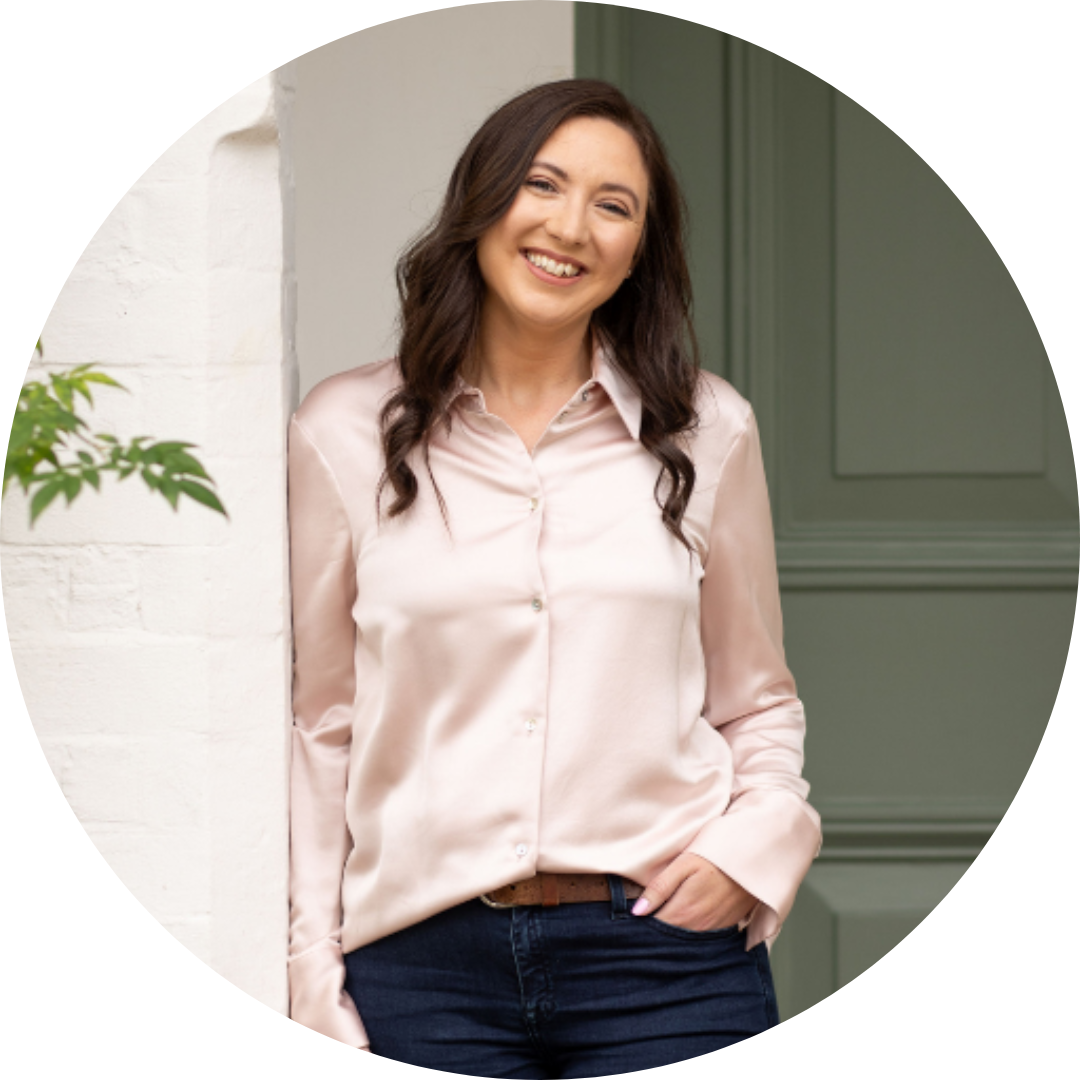
Laura Piper is a Pinterest expert who works exclusively with food bloggers. Her mission is to help them make Pinterest their #1 traffic source without feeling frustrated or overwhelmed. Using her proven Pinterest strategies, along with in-depth Pinterest trends and keyword insights, she simplifies the platform for food bloggers, allowing them to focus on what they love most: creating amazing new recipes.
Takeaways
- Broad keywords are losing effectiveness in favor of highly specific search intent.
- Long tail keywords drive more clicks even with lower impressions.
- Pin titles and designs must include context, audience, and differentiators.
- Trends and seasonal timing directly impact pin performance.
- Boards need to be niche specific to reinforce keyword relevance.
- AI content increases competition which makes specificity even more important.
Resources Mentioned
Get Megan’s Memoir – Take the Exit – Step inside the story!
Q2 Pinterest Food and Drink Trends Guide – EBT listeners receive a 50% discount!
Free Long-Tail Keyword Builder
Transcript
Click for full script.
EBT 797 – Laura Piper
[00:00:00] Intro
If your Pinterest traffic has dropped or just feels off, this might be why. In July 2025, Pinterest made a massive update that completely changed how content gets discovered. We are talking a shift from tracking 100 user interactions to 16,000 of them. In this episode, Pinterest expert Laura Piper breaks down what that actually means for food bloggers and why generic recipe titles are no longer cutting it or descriptions.
[00:00:28]
She shares what is working right now, how to use content context driven keywords to reach the right audience and why this shift is actually a huge opportunity if you know how to adapt. If you want more traffic and also more high quality traffic, don’t skip this episode.
[00:00:46]
Hi food bloggers, I’m Megan Porta and this is Eat Blog Talk. Your space for support, inspiration and strategies to grow your blog and your freedom. Whether that’s personal, professional or financial, you are not alone on this journey.
[00:01:01] Megan Porta
Laura, it is so good to have you back on the podcast. Welcome.
[00:01:05] Laura Piper
Oh, thank you, Megan. Thank you so much for having me back.
[00:01:07] Megan Porta
This topic is very relevant and kind of a pain point which leads me to Laura, if people are like, hmm, should I listen to this episode or not? What pain point would actually cause them to press play, do you think?
[00:01:22] Laura Piper
As you say, Pinterest is can be an interesting kettle of fish at times, but it’s such a great platform for food bloggers and increasing your visibility. So if you’re struggling with Pinterest and increasing your recipes visibility, this episode is for you.
[00:01:40] Megan Porta
Yes. Which I think a lot of my listeners can say yes to that. So I think this will get a lot of listens. Would you mind giving us a little bit of a background on who you are and your businesses?
[00:01:52] Laura Piper
Yes, of course. So my name is Laura. I have worked in Pinterest now coming up five years. This year I’ve helped many food bloggers just from like working with them and managing their accounts with them. And then this last year I went into more coaching food bloggers on this is like the way I’ve seen success on Pinterest through my Pinterest management.
[00:02:16]
And the one thing I always find that makes me sometimes a little bit different is I’m in Pinterest every single day working on my management client account. So I’m always seeing what’s working and what’s not and we’re always testing different things as well. So some things work, some things we like, we tweak a little bit and yeah, and then I report that back to the people I’m coaching.
[00:02:39] Megan Porta
Yeah, see that makes a big difference. You are in there real time, live every day, which absolutely accounts for a lot, because you’re not just like, you know, guessing or basing it on something that’s been happening in the past quarter or whatever. Like you were. You are in there now.
[00:02:56] Laura Piper
Yeah. Do you know what we manage I think it’s nearly 10 accounts now. And what’s really, I find really interesting is what works on one account doesn’t always necessarily work on another account. So that’s why it’s really good to get a really good picture across a range of accounts as to what works and what doesn’t.
[00:03:15] Megan Porta
Absolutely. And I know you have a download that you’re going to offer for 50% off to Eat Blog Talk listeners. Do you want to talk about that really quick?
[00:03:24] Laura Piper
Yes. Today I’ve just launched my brand new Quarter 2 Pinterest Trends Guide. It’s one of my most popular downloads. In fact, I had three emails just last week asking, where is it? And just for having me back again, I would like to really give your listeners 50% discounts code so they can download that with 50% off.
[00:03:45] Megan Porta
Awesome. And we’ll put that in the show notes. Yes, and I’ll just mention the show notes now. I’ll mention it again at the end, but if you want to go to those now, it’s at eatblogtalk.com/LauraPiper2 since this is your second interview here, so you can find those there. Perfect. All right, well, let’s dig into Pinterest, shall we?
[00:04:06] Laura Piper
Yes, absolutely. Let’s tell you everything that’s been happening
[00:04:09] Megan Porta
to tell us we need to know. There was a big update in 2025. Do we want to start there? What happened with that update?
[00:04:15] Laura Piper
Okay, so in July 2025, Pinterest went from tracking the last 100 user interactions to the last 16,000 interactions, and that’s per user. So that’s like 160 times more data that Pinterest has. And this has really fundamentally reshaped how pins are getting discovered on the platform. If you think, like in your last 16,000 clicks on Pinterest, the different things that you would have clicked on, this is how Pinterest are building a bigger picture on their audience and finding out, right, what is it they’re interested in.
[00:04:56]
So someone might have been searching for, say, easy weeknight dinners, and then they might have been looking at something for children, and so then Pinterest are building this picture, then might show them easy weeknight dinners for picky kids or for busy families and things, because it’s just getting that much more clever, I suppose, and personalized.
[00:05:20]
And the thing that Pinterest has found that showing that audience more targeted content has resulted with like a 6.3% increase in saves because people are saving more because they’re seeing more content that’s actually relevant to them. It’s also increased the overall time that people are spending on the platform. And interesting. This one really made me laugh that there’s been a 12% a decrease in pin hides. I was like, I didn’t really know people hit pins. You can’t. They do have that as a facility. So users are basically happier and are staying on the platform, but they’re saving and they’re engaging more as well.
[00:06:03] Megan Porta
So tracking 6, 16,000, does that mean as a user or as a content creator, someone running a business or all of the above?
[00:06:16] Laura Piper
I’d say it’s probably all of the above, definitely on users. So every user interaction and engagements, you know, like Pinterest tracks engagements on the platform on your pins. I understand it’s mostly that, but if you’re engaging as a user and a creator, then yeah, they’re going to be tracking that as well because.
[00:06:38] Megan Porta
So it’s however you’re engaging.
[00:06:41] Laura Piper
It is. And engagement is such a really big part for food bloggers and creators to also do on the platform. And that really does help your pins. If you’re engaging with other pins in your niche, it does help Pinterest as well, like understand a bit more about your content. So. So engagement is really, really big on the platform.
[00:07:06]
Rather than just putting pins out there, spend a little bit of time doing some engagement as well, because you will find that that really helps your pin success.
[00:07:16] Megan Porta
So aside from that, were there any other big changes that were made during that update?
[00:07:21] Laura Piper
The old approach is that we would look at, use broad keywords, thinking that’s a larger distribution, thinking that if you went for easy weeknight dinners, that’s a really high volume keyword. Now what it means is we need to be so much more specific and then we’re finding Pinterest understands that pin and it knows exactly who to show it to.
[00:07:46]
So if you did take an easy weeknight dinner as an example, easy weeknight dinner for busy families is going to get surfaced better and more than just easy weeknight dinner. If you think there will be millions of pins just today uploaded for easy weeknight dinner. But if you’re making it really specific, that helps Pinterest so much more to know exactly who to show it to.
[00:08:12]
I’ve got a framework, which we’ll get onto in a moment of how we kind of build out these really long tail keywords. And that gives Pinterest so much more context. But it is a really strange feeling and I, I understand this with pin, with food bloggers that broad keywords feel really safe because you think, oh, it’s getting in front of a bigger audience.
[00:08:34]
But actually it doesn’t necessarily mean that because as I say, if you think Pinterest has got a million easy weeknight dinner pins just uploaded today, they’ve got to choose which one of those they’re going to show and they’re going to show the ones they’ve got the most confidence in that they’re audience is going to get engaged with.
[00:08:54]
So keywords are really, really important and giving Pinterest that confidence. And actually my pin is what you need to show your audience because that’s what they’re searching for. So yeah, I really understand that this is going to feel really strange and in fact you want to be aiming for less impressions. There’s but it, I think it’s a really good thing.
[00:09:19]
I think there’s lots of little corners now opened up in print Pinterest, so you’ve got like easy weeknight dinners, like freezer dinners, ideas for busy families from gluten free, all the different dietary requirements and things, all these little nooks and crannies have all opened up and it’s absolutely fine. You don’t need to worry if you’re getting less impressions, what you will find is you’re getting more clicks and engagement because your pins are being shown to the right audience.And this is the real big difference that we’ve seen.
[00:09:50] Megan Porta
Actually, I don’t think it’ll be received as weird as you think because this is what we went through with Google. Right. A few years ago. It was like we were all trying to hit those high volume keywords and then what started working was the low volume keywords and yeah, it was just more selected, people were seeing it and actually clicking it.
[00:10:11]
So it’s kind of the same concept and now we’re just going through it on Pinterest.
[00:10:15] Laura Piper
Absolutely. But I think the other reason that this has helped and the other reason this kind of came about was because of the large influx of AI content. You know, the AI content people are very good at creating lots of pins very, very quickly, but they’re all headed hitting kind of the top level keywords like chicken recipes, chocolate chip cookies.
[00:10:39]
They’re not spending the time looking for the long tail keywords. So this is another reason why it will make help real creators get their traffic back from the AI creators as well. Because they just will go for the high volume keywords where if we’re putting a little bit more time into finding our keywords, make your recipe stand out.
[00:11:04]
Your, your recipes are all amazing. You put so much work into them. Let’s pick out why people should click on your recipe and not another person’s recipe.
[00:11:16] Megan Porta
I hadn’t thought of that. Just trying to, yeah counter AI a little bit by making them more human, more complicated. Because AI is probably going to. The simplest version.
[00:11:29] Laura Piper
Exact. Exactly. So they’re going to just hit whatever the main keyword is. They will back that up with other keywords. But on the main, generally on the main pin they are just the recipe title. Whereas if you’ve got a 30 minute marry me chicken recipe by having that extra information on the pin, Pinterest is picking that up and then if you’re doing a search for Marry Me Chicken and you’re faced with a sea of very similar recipes, you’re more likely to click on oh, that one’s only going to take me 30 minutes.
[00:12:06]
Rather than just a Marry Me Chicken recipe. This is, and this is why picking this real detailed information out from your recipe is going to make a really big difference to you. And it’s giving Pinterest that context now that it’s going to understand so it will show it in the right searches.
[00:12:23] Megan Porta
Does that carry over into the description as well or just. Are you speaking about the title only?
[00:12:29] Laura Piper
No. So the one thing with Pinterest I probably talked about this a little bit last year is repeat, repeat, repeat. You can never repeat your keywords enough with Pinterest. So yeah, definitely get. You want the clickable information on your pin design. So something that’s going to make people want to click. So if you’ve got like a bread recipe that you can cook in an hour, that’s going to get people to click on them.
[00:12:55]
So bring out whether it’s gluten free. Quite often I find picking out the time is a really good part of your recipe because everyone’s generally busy and if you give them that extra information, say you can have this done in 30 minutes, 20 minutes. However quickly it is, I do find those pins get clicked that much more then you’ve got the dietary, dietary requirements.
[00:13:20]
So whether it’s gluten free, dairy free ones, I also find that aren’t targeted very much are postpartum meals for freezer meals and everyone’s recipes that they’ve got will have recipes that will all hit these, these kind of categories. So it’s just finding them and going okay, let’s target that one. And the trends also play a part in this as well.
[00:13:48] Megan Porta
Yeah, that’s really interesting. It used to be where description was just like kind of fill it with the same keywords over and like structured a little bit differently. But now it’s like they’re actually reading the descriptions and delivering that pin to really curated people.
[00:14:06] Laura Piper
Absolutely. And they do, you know, they also read a lot of the you up the page behind the pin. So the, any way that you, the link that you attach to your pin, they’re going to read the web page. So they are looking for similar keywords. Obviously the recipe title. They go through a lot on that web page which also backs up their understanding of what your pin is about.
[00:14:32] Megan Porta
Okay, that’s really refreshing. Kind of. So the people it’s being delivered to, each pin is being delivered to is smaller. But this is probably something that we just need to get used to going forward.
[00:14:47] Laura Piper
Yes. So don’t worry about hitting yeah. The really high volume keywords. It’s going to be even harder to rank for them now with all the, as I said with the AI contents and them generating the pins at such an incredible rate. But say we need to get really specific. We’re human, we and it does make the content that much more humanized.
[00:15:11]
And I have find in my pin the pin titles I’m putting on the actual pin design I’ve got an awful lot longer but I think that’s a really good thing because it’s encouraging, it’s given them that initial bit of information and it’s encouraging them and it’s making the recipe in my opinion stand out different to a sea of like the same kind of recipes with just the recipe title.If they’ve got more information, it’s making them click on them.
[00:15:37] Megan Porta
Okay, I mean obviously we have a new strategy now for creating titles and descriptions. How do we curate actual pin designs based on this? Do we change that up at all?
[00:15:53] Laura Piper
And it’s very interesting. What I mean I’ve kept those pin designs pretty similar. I mean I do find I use the two kind of picture, the top and bottom with the title kind of in the middle or I have quite a big title at the top in a, with a background color with generally white writing because that just stands out in the feed that little bit more.
[00:16:16]
And if it’s just a one picture pin or I kind of utilize other corners if there’s if there’s little spare corners, I’ll put Yeah. Some extra writing in those to say like 20 minute family dinner or something like that. So it doesn’t have to just be all in one title. You can kind of spread the information out because then that keeps people’s eyes across the whole pin rather than just like scrolling past and they just need to see it in the middle.
[00:16:48] Megan Porta
Okay.
[00:16:49] Laura Piper
So that’s kind of how I approach the pin design. Okay. Side of things.
[00:16:53] Megan Porta
But as far as the text that goes on there, the copy that isn’t changing a whole lot.
[00:17:01] Laura Piper
Yeah. So it’s just really making sure I have just got those long tail keywords. Okay. On the actual pin design. So and, and say just little extra bits of information with arrows. I use that as quite a scroll stopping because it just looks a little bit different because people see the arrow and it’s like well where’s what, what’s that about?
[00:17:22]
And it kind of draws your eye to that particular bit of information as well. So yeah, I try and use up. Yeah. Little corners where there’s. Where it’s not too. Got too much of the recipe on it. Great.
[00:17:35] Megan Porta
And you refer to a framework you have before for finding what these keywords are. Can you talk us through that?
[00:17:42] Laura Piper
I can indeed. So I created this framework to help just really create long tail keywords. When we are talking long tail keywords we’re saying, you know, we’re just getting away from putting the recipe title. So I’m going to use chicken Alfredo as an example. So rather than just putting chicken Alfredo as your on your pin design and in your pin title and in your description, what we’re going to start with on the pin design we’re going to add a context layer.
[00:18:12]
So this is kind of step two and context layer is when and why your target audience need your recipe. So we’re saying these people need the recipe and it might be time and speed. So it could be 20 minute weeknight dinners, it could be make ahead, it could be the occasion. So it could be any other holidays, we’ve got Easter, it could be game day, back to school.
[00:18:38]
So again if you had a 20 minute cookie recipe for back to school snacks or for back to school snacks, that’s how we’re kind of building this framework out. So the other one is like problem. So you might have picky eaters, meal prep and budget friendly type of recipes and then there’s an audience layer.
[00:19:00]
So like who is this for? Is it for gluten free? Dairy free? So then is it high protein, low carb. This year what we are seeing is high protein, low carb and high fiber recipes are really getting some really good traffic. So they are ones that I do tend to focus on quite a bit.
[00:19:21]
Then we’ve got life stages. So this is all under who is it aimed for? Is it toddler meals, postpartum meals, freezer meals or date night dinner meals? It could be student budget meals or family meals and things like that. So that’s who your audience is for. And then the step four is a differentiator.
[00:19:44]
So what makes your target audience pick your recipe. And this is going to be really personalized to your recipe. But to give you some examples, you might have it might be one pan, it could be creamy but without cream. We’ve done a few soup recipes lately so it might have always casseroles, chicken casseroles with no condensed soup or uses state pantry staples.
[00:20:10]
So we’re just picking out now those four steps is a lot to get on a pin design. And what I say to people is go through and you might have like chick 20 minute chicken alfredo dinner for back to school dinners I would have that on the pin. And then you might have high in protein uses that pantry staples in the pin title or add that into there.
[00:20:39]
So you’ve. It’s kind of following through but you’re hitting a couple of different things in like the most important places. At the end of the day, the most important place is the pin design. Because when the majority of Pinterest users are using phones or the app to look at Pinterest, they’re making the decision to whether to click based on the hotel on the actual pin design.
[00:21:06]
You can normally see, I think it’s the first 64 characters of the pin title underneath when you’re doing a search right underneath the pin. And so I always suggest trying to put something different in that first part of the title that isn’t on the pin because if they’re leaning like oh that looks interesting.
[00:21:26]
And sometimes just that extra bit of information, oh, it’s one pot or it uses pantry staples. It just. Or it just makes it sound that bit easier without using the word easy. I think easy has been overused and that’s it’s going now. So yeah, we just this just getting so much more specific and hopefully kind of going through that framework hopefully helps understand this is how specific Pinterest is getting.
[00:21:57]
I do have a document that I put together with loads of different keyword ideas for each of these steps which if you’d like to add that to your show notes. This is just a free. I did it for a master class recently when I went through this framework and it really was helpful to people to see these were loads of different context word ideas, loads of audience ideas, and also some differentiators.
[00:22:25]
So it just gives people ideas of what they could really pick out of their recipes.
[00:22:29] Megan Porta
Yeah, that’s great. And I think this is the way people are thinking now because this is how we have to think through our blog posts and content in other places as well. So it shouldn’t be super hard to find those differentiators, I don’t think.
[00:22:43] Laura Piper
Exactly. And the thing is, it’s there and you guys, like, know your recipes, like inside you’ve written them. So when I’m doing pins for my clients, obviously I’m going through looking for, like, what am I picking out for this? The one thing that this framework does help you with is you can easily create more than one pin, you can easily create five to 10 pins, all aiming for different angles for the same recipe.
[00:23:14]
So it does open up the doors. And that’s not even bringing in the seasonal content. We still do focus a lot, obviously, with my trends guide that I’ve just brought out for quarter two, we still do focus on what’s coming up in the trends. If you look in the trends recently, you’ll notice that a lot of the keywords are getting longer in the trends.
[00:23:38]
I have particularly noticed that as well. So, yes, it’s bringing this all in together and looking at how much information can I give to Pinterest that they will then pick my recipe to show it to the right people. And it’s another example I. I gave in my master class lately was pasta salads.
[00:24:03]
We’re just coming into summer, but that gives us so many opportunities. So, like past the salad for picnic ideas, for barbecue side dishes, what else did we have? Summer cookout. So all of these different keywords, it’s worth doing a pin. One individual pin for each of those kind of keywords. So then they’re really specific to that particular topic.
[00:24:30] Megan Porta
I love that. Actually, it’s. Yeah, just more curated, more thought through. Who is this actually for? Who’s going to click on this?
[00:24:39] Laura Piper
Exactly.
[00:24:39] Megan Porta
Yeah, that’s great. Anything else about the framework before? I have a couple other questions for you.
[00:24:46] Laura Piper
Oh, no, that’s okay. No, that’s pretty much. It’s just the four step. So you start with your recipe title, we add some context words, who’s it for? The audience, and then any differentiators as well.
[00:24:59] Megan Porta
Okay.
[00:24:59] Laura Piper
And. And in the document, I’ve actually written it out so people can help build their long tail keywords for their recipes in there as well.
[00:25:08] Megan Porta
Wonderful. So I assume it’s okay to go through our old content and start kind of thinking through this concept with old content that we’re sitting on.
[00:25:20] Laura Piper
Absolutely. This is what gives it such a great opportunity to be able to do that and come up with some fresh angles. It is okay to pin the same URL more than once. You don’t just create one recipe, do one pin. You can create a number of pins for the same recipe. From my experience, what I do with my management clients is I’d only put the same URL out twice in one week.
[00:25:49]
So I’d only do two pins for one recipe to go out just so that they’re not too close together. Because Pinterest likes fresh content. We all know that. They’ve gone on about that for a couple of years now. And by having the different angles gives you fresh content. We just like to space them out.
[00:26:09]
Some people do one a week if you’ve got plenty of content and you’ve got lots of recipes and yeah, I would space them out. Do one a week if you’ve got a brand new recipe. What I do think is a really good idea is to try and create some new boards. And coming onto this really specific keyword situation has affected boards as well.
[00:26:31]
So if you’ve got boards with thousands of pins on which are like dinner recipes or dessert recipes, let’s get them, those boards a little bit more specific. Because again, the board places such a big part in Pinterest understanding what the content is about. So I’ve been, for example, been creating boards for summer barbecue side dishes, and then, yeah, we’ve had Easter side dishes.
[00:26:58]
So it gives you much more opportunities throughout the years to create. Throughout the year even. Yeah, to create brand new pins for that same recipe and by putting them on different boards as well, really helps keep the content fresh, which is what Pinterest likes.
[00:27:15] Megan Porta
They do like that word fresh. They always have. How far in advance should we be publishing pins? Let’s say we’re public. We’re thinking about Mother’s Day. Is that something we should think about? Like it used to be like three months and then it was eight weeks and I don’t know, what is it now?
[00:27:35] Laura Piper
No, I was just a very good question because I’ve got Mother’s Day in my planner, and I think that’s starting from 1st of April, is you want to be pinning Mother’s Day because I think Mother’s Day for you guys is around the 10th of May.
[00:27:49] Megan Porta
Sure.
[00:27:49] Laura Piper
Yeah, right. When you did this yesterday, it’s about then. So yeah, you’ve. You want to allow at least four weeks, three. Three weeks is fine for Pinterest to understand what your pin is about. What you’ll notice if you look in your Pinterest account now and scroll down, you can almost see where the three week mark is because suddenly your pins will start getting a more engagement and impressions.
[00:28:17]
And that’s because that’s the point at which Pinterest has understood those other pins and they’re showing them more. Your pins will always get some initial engagement because they are showing to your followers and they will appear in searches because Pinterest is testing the water with them. But there’s a really, once Pinterest has really understood them, there’s a really big difference and you’ll see kind of like a mark in your Pinterest account as to where Pinterest has understood too.
[00:28:43]
But yes, you want to be. So if we’re Mother’s Day at 10 May, you’ve only probably got between like you want to be pinning those recipes now and probably then finishing around the 15th of April at the very latest. But yeah, you need to at least build in that three week understanding period for Pinterest.
[00:29:06]
Plus Pinterest users are planners. So yeah, you want to be getting that content on there early. And this is exactly what my trends guide really goes into. You stopping this one now, would you believe in the quarter two planner we’ve even got fall content to start pinning because fall is such a huge trend that we start pinning that at mid June, I think it was.
[00:29:31] Megan Porta
So yeah, I was going to ask that. Is there a time frame that’s too soon? Like could we do Apple recipes and pumpkin now or would that be just weird?
[00:29:45] Laura Piper
Some people do say that. Not weird, but they do. See, they do pin. They do pin it really early, like now. I think the thing is I wouldn’t suggest doing that and I don’t do that for my clients only because if it doesn’t get any engagement, it’s going to end up in Pinterest pin graveyard.
[00:30:04]
And so when people are thinking of summer and engaging in those, they might see the odd pumpkin recipe and different things, but they’re not going to be engaging in them. And so I always say let’s give a really good runway. So you want that three weeks plus a good couple of months because people do think ahead.
[00:30:26]
But yeah, you do Want to get that initial engagement so it doesn’t end up in Pinterest pin graveyard.
[00:30:32] Megan Porta
Yeah.
[00:30:32] Laura Piper
Where it hasn’t. Hasn’t done anything. So I do agree that you can pin too far ahead. Not everybody would agree with me on that one, but I think you can.
[00:30:43] Megan Porta
So as far as trends go, do you use. I mean, I know you have your guide that is going to be helpful, but do you also recommend people go into Pinterest trends and just keep an eye on that?
[00:30:54] Laura Piper
Absolutely. It changes. So they update every week now. And what you want to be doing is, from our last conversation is when you go into Pinterest trends is look at the seasonal trends, not the growing trends. Because the growing trends is over the last 90 days. So that’s. Yeah. Big trends that have been popular in the last 90 days.
[00:31:16]
So it could have been something in January, like or even probably February from we had Valentine’s Day. And I know there’s still occasionally still some game day kind of keywords and things going around the trend. So it’s sometimes a useful one to, to have a look at. You sometimes get more recipe. Individual recipes come up in growing trends.
[00:31:39]
It’s one to keep an eye on. But to have a plan of your content as to what’s coming up, you want to be looking in seasonal trends.
[00:31:49] Megan Porta
Okay.
[00:31:50] Laura Piper
Particularly because that’s in the last 30 days and that’s giving you. Yeah. A much better picture of what’s coming up as well.
[00:31:58] Megan Porta
And you kind of talked through how to use that seasonal trends dashboard the last time we talked. So if anyone is listening and they’re like, I don’t even know how to navigate this, go listen to that for that part only because I think that was really helpful. I remember that being very insightful.
[00:32:18] Laura Piper
No, definitely. Because yeah. That that tool is so useful and there’s so many different things. And don’t forget that you can search by keyword. So if you had cookies, search for cookies in the seasonal trends and you get all this, all the cookie recipes that are currently trending and it takes everything else out so you actually see that little bit more.
[00:32:42]
So we do that now an awful lot. And I’m sure I would have mentioned that last year, but I thought I’d just mention that again because that’s a. It’s like the same for if you’re. I’ve just had cookie recipes, but if I had side dishes, I’d put side dishes in and it’ll give me everything that’s in the seasonal for side dishes.
[00:33:00] Megan Porta
And then adding a differentiator to that. Right. So maybe when you’re used.
[00:33:06] Laura Piper
When you’re using the trends, keep it really short because you want to see a bigger picture. But when you’re. Yeah, when you’re using the trend. So if you had. I’m just trying to think some of the things I’ve done today. So, yeah, like summer salad, I would just put salad recipes and see what comes up.
[00:33:25]
And then that gives me lots of different ideas as what’s coming up in the trends as well. But it takes everything else out, because when you look at the trends, it just gives you the top performing trends, and that’s great. But when you actually get. When you search for a specific term, it takes all those other bits out that’s not of interest and gives you a bigger list.
[00:33:45]
Just. Yeah, for that.
[00:33:47] Megan Porta
But like, let’s say we’re searching summer salads and broccoli salad comes up, and then we want to take maybe broccoli salad, if that’s trending, and put our own differentiator on it when we’re publishing it.
[00:33:59] Laura Piper
Okay, absolutely. That. That’s the best thing to. To do. So, yeah, use the trends to try and determine which recipes to do pins for, and then. Then start adding your differentiators to it. So it might be no mayo, or it might be, yeah, done in 30 minutes or whatever it is, or for cookouts.
[00:34:18] Megan Porta
So, okay. Oh, gosh. I just feel like there are so many things that I hear about. Is there anything else we need to know? Any little nitty gritty details or things that are changing this year that we haven’t talked about?
[00:34:33] Laura Piper
The one thing I would say I know I touched on this is boards. I started to talk about this a lot, particularly on my own Instagram account, because people don’t necessarily realize the impact your board actually has in Pinterest. Understanding the content, so making them really specific. What I always say is, if you’ve got a good five or six recipes that would fit a board, that’s enough to create a new board.
[00:35:00]
I had a conversation with someone recently, and they’re like, oh, but I can only have 20 boards. I’m like, no, no, no. You can have 2,000 boards. Don’t suggest it, but keep it relevant to your content. And just to give you some ideas, like, I would set up, like, Easter side dishes, and I’ll do summer barbecue side dishes or summer barbecue and cookout side dish.
[00:35:22]
I might put those two together because they’re so similar. You might have picnic ideas and so that it might have the same recipe. But they could go on those different boards. But. And then you obviously using the keyword say like picnic food idea on the actual pin and the title and the description.
[00:35:41]
But yeah, if you’ve hitting picnic idea on the board and on the pin, giving Pinterest that confidence that it’s oh, we really understand this. This is picnic, picnic, picnic. When they’ve got that confidence, they’re more likely to surface your pin against something else that might not. It might go on summer recipes board but still be picnic on the top on the pin title or the.
[00:36:05]
Or on the design. That’s not. You’re kind of missing a really, really big point there. Does that make sense? Yeah. So that’s one thing. Yeah, we really, we’re taking the specificness on the keywords into the boards for sure.
[00:36:19] Megan Porta
Okay, that’s good to know too. Is there anything that you see high performing Pinterest food creators doing right now outside of, you know, the keyword thing that we’ve talked about that is setting them apart?
[00:36:33] Laura Piper
Yes. Creating really popular recipes. It is worth having a look on TikTok to see what is trending on that and then creating pins for them because things will trend on TikTok first before they then hit the other platform. So if you can get a recipe done and onto Pinterest, you’ll be. If you’ve got something unique and people start searching for it, then, yeah, your pin will do really well.
[00:37:00]
I find this a lot. I have one client who’s fantastic at creating Starbucks recipes and quite often she gets in with a brand new one before it’s even been released. And we find those pins just do amazingly well because it’s something that’s new to Pinterest. So that’s something I’ve been doing a lot more of is having a look at what’s trending on TikTok.
[00:37:25]
And I don’t know if anyone’s seen the Japanese. This is a yogurt cheesecake, I think they call it. It’s called the Japanese two ingredients. But you put biscoff biscuits into and they go mad on Instagram. Not on Instagram, on TikTok.
[00:37:42] Megan Porta
Okay.
[00:37:42] Laura Piper
And then they’re going over to Pinterest. So yeah, I’m seeing more and more of those pins. Another one that’s I’m starting to see come through onto Pinterest now is it’s called Chocolate Crunch Cake. So it’s like a chocolate cake with chocolate cornflakes on the top and that’s been doing a lot really well on, on TikTok.
[00:38:04]
And it’s now starting to come through. I’ve included some of these in the trends guide as well, so people can see. But the one thing we are seeing is I said earlier, high protein recipes, high-fiber recipes, they are really doing well. So if you haven’t, if you’ve got recipes that are high-fiber and high protein.
[00:38:26]
Yeah. Really go back and revisit those and create some new pins for those and a new board to go with it.
[00:38:31] Megan Porta
Yeah, that’s great. I’m pulling out that trends are very important right now for Pinterest. That’s kind of a key takeaway.
[00:38:39] Laura Piper
Yes, trends are really important and because it’s keeping the content fresh and giving them a new angle as well. So. Yeah, absolutely. I’ve always, that’s how I’ve always like managed my clients accounts and it works. I was coaching people at the end of last year and they had some amazing successes with Quarter 4.
[00:39:01]
We had a great time and a lot of that was down just getting our content on the platform early and yeah, really getting into those keywords as well and letting Pinterest understand them.
[00:39:16] Megan Porta
Yeah, okay. Yeah. It’s kind of a new way of thinking, isn’t it? Just redoing the whole Pinterest strategy, the way we used to manage Pinterest versus the new way to do it.
[00:39:27] Laura Piper
Absolutely. But as you said earlier that it’s becoming a lot more like Google. Yeah, I do find that. Yeah, I do find they do follow in like Google’s footsteps.
[00:39:41] Megan Porta
Yeah, that’s. That’s actually helpful because we can kind of remember how things went with Google and maybe Pinterest will just keep following that, a similar path.
[00:39:53] Laura Piper
Absolutely. And I think even like the systems that they use behind to kind of determine content. I know Pinterest has created a backend system that understands the pins, which is also very similar to how Google system works. They’re just going through a patent process on that as well. So. Yeah, watch the space.
[00:40:15] Megan Porta
Yeah, absolutely. Is there anything else we’ve left out that would be helpful, do you think? Laura,
[00:40:23] Laura Piper
what else have we talked about? So the other thing to mention, I can talk about this all day is AI on Pinterest. I don’t know whether your users know that Pinterest bought out this facility where you can actually turn off seeing AI content on the platform. I was so pleased to see that not everybody wants to see AI.
[00:40:47]
And for me, if I was searching for. And this happens, spam, an outfit on Pinterest and it never existed anywhere.
[00:40:55] Megan Porta
Right.
[00:40:56] Laura Piper
Because it was created by AI. And there’s nothing more frustrating than that. And AI cannot create recipes. Let’s just put that out there right now. They cannot and they don’t test them. So yes, I would tell people, do not worry about AI on Pinterest. Yes, it got a bad name of AI Slop, but I think that kind of happened across a lot of platforms.
[00:41:22]
I was really pleased to see Pinterest take this particular stance and give people the opportunity to turn it off. So if you go to your settings you can refine your recommendations and if you click on that, you get some tabs along the top. Which one of them is Gen AI? I think it is.
[00:41:42]
And then you’ll get a list of all lots of different niches and basically you just toggle, pull all of those niches off if you don’t want to see AI on the platform.
[00:41:54] Megan Porta
Oh, oh, sorry. I was gonna say where do we find the. Where do we find that in our settings to refine recommendations?
[00:42:01] Laura Piper
So if you click on when you’re in Pinterest and you can see your pins in front of you, if you click on your picture on the top or not next to your picture, I think there’s a down arrow and if you click on that, it’ll take you to settings. You just click on Settings.
[00:42:15] Megan Porta
Okay. Setting. Okay.
[00:42:19] Laura Piper
And then on the left hand side there’s a menu and one of those menu things is refine recommendations.
[00:42:26] Megan Porta
Oh, there it is.
[00:42:27] Laura Piper
Okay. Yeah. And then at the top, when you then get that page, there’s some little bubbles along the top and one of which is Gen AI interests. I think it is.
[00:42:37] Megan Porta
Yeah.
[00:42:38] Laura Piper
And now you’ll get a list in front of you of all the different niches.
[00:42:42] Megan Porta
Okay.
[00:42:42] Laura Piper
You can turn AI AI off in.
[00:42:44] Megan Porta
So if you’re turning it on, you’re turning it off. If you’re turning the on.
[00:42:48] Laura Piper
Yeah, I think they come odd on and then you can scroll them to off.
[00:42:53] Megan Porta
Okay, that’s so funny. My Food and Drinks. Is that to off at everything else?
[00:43:02] Laura Piper
Ah, yeah, there’s the Food and Drink has only just been released. When they released this at the end of last year, I was very upset that Food and Drink was not on their list because there’s probably one of the biggest niches that you get the AI content in, but that has recently been added.
[00:43:19]
So I was very pleased to see that. The one thing I was just going to say to your audience, that is just keep an eye on your pins. Do scroll down your existing pins regularly and just check that you haven’t got any tag on the left hand corner that says AI generated. If you have and it isn’t AI generated, just contact Pinterest and say that this pin has, is not AI generated.
[00:43:46]
And they take the tag off. If you have the tag on and people have turned off seeing AI, they may not see your pin as much.
[00:43:53] Megan Porta
And what does the tag look like in case somebody does it?
[00:43:57] Laura Piper
So it’s. If you look at your pins, so you look at a pin at the bottom left hand corner, there is. It’s like a little gray bubble that will say Gen AI on it. And if you see that little bubble, it’s a little gray bubble on the left hand side of the pin at the bottom.
[00:44:15] Megan Porta
Okay.
[00:44:16] Laura Piper
Then you’re just. Yeah, you just go to their Pinterest help desk and say, give them the. The URL for that particular pin to say, this is not generated by AI. I did it myself.
[00:44:30] Megan Porta
Yeah, it’s like a whole new world out there with AI, isn’t it? All of these little things really do help.
[00:44:36] Laura Piper
It is. I am not against AI. I just don’t feel that it’s there for taking over content creators in particular, but only because you cannot replicate a tested recipe at all. And the same as I said, even in the fashion side of things, people, if they find something that, well, that looks nice, I want to be able to go and buy it and.
[00:45:04]
Yeah, yeah. So I’m not against it. I do use it.
[00:45:08] Megan Porta
Yes, I know it’s a great tool. It’s just, it’s a learning curve and there are a lot of things we’re learning as we navigate this together.
[00:45:17] Laura Piper
Right, Absolutely. And I think, you know, I use AI more and more, but I think, yeah, it’s definitely not there until the point it can make recipes. Yeah. Guys has never got anything to worry about.
[00:45:30] Megan Porta
Right. I do sometimes test it just to see and it’s like, yeah, I don’t know. I. I wouldn’t make that without someone to back that up. A real human to say that this worked.
[00:45:40] Laura Piper
I just think, you know, for me, life’s really busy with two young children. I don’t want to go spend a load of money on a load of ingredients for it then not to work out. So I like to know that, yeah, it has been properly created, tested, and I can follow a recipe exactly.
[00:45:58]
Right?
[00:45:59] Megan Porta
Yeah, yeah, yeah. Everything you just said. Well, thank you. This is so great. This gives me so much to think about and I know people are just going to devour this episode. So we really appreciate your time and your information.
[00:46:12] Laura Piper
It’s been A pleasure. Honestly. I love sharing the things that I learn on Pinterest and we’re learning every day. So. Yeah, no, thank you.
[00:46:21] Megan Porta
Absolutely. And if people want to get in touch with you about are you taking clients for managing food food accounts?
[00:46:29] Laura Piper
I do, yes. If you come over to Instagram and drop me a dm, we can have a chat. And then I’m also doing more coaching as well and taking people through my exact processes so they can see. And I work with them as well. So it’s kind of like done with you as well as done for you.
[00:46:50] Megan Porta
Awesome. And what’s your Instagram handle?
[00:46:52] Laura Piper
Handle? I’m at. Yeah, my mind’s gone blank. Pinterest for food bloggers. I should know that.
[00:47:01] Megan Porta
Awesome. And Laura Piper. So check that out if you’re interested. And yeah, just thank you for everything. We will put together a show notes page like I mentioned earlier for you, Laura, if you want to go peek at those and get that 50% off Laura’s download, you can head to eatblogtalk.com/laurapiper2 and get that there.
[00:47:24]
And then you mentioned Instagram.
[00:47:26] Laura Piper
Your website is laurapiper.co. So just C O. Yes.
[00:47:32] Megan Porta
Yes. And otherwise. Thank you so much for being here and thank you for listening food bloggers. I will see you next time.
[00:47:49] Outro
Thank you so much for listening to this episode of Eat Blog Talk. If you are craving learning, connection and increased productivity at a low monthly cost, join the Eat Blog Talk inner circle. Go to eayblogtalk.com/focus to join. I will see you in the next episode.
Are you a passionate food blogger craving the perfect recipe for accountability, focus and connection? Click here to learn about the Inner Circle!
✍️ Reach out to connect with Heather Eberle, a copywriter for food bloggers. As much as you enjoy your business, maybe writing or marketing isn’t your cup of tea. Maybe you’d rather spend more time in the kitchen and less time on your laptop. Heather is here to clear your plate! Let Heather help you share your content with the world.