Monetization Strategies for Food Bloggers
Photography is one of the most powerful tools in a food blogger’s business. In this episode, you’ll learn why your camera gear matters less than you think and how to create images that spark emotion and stop the scroll. Emma shares pitfalls to avoid, the three essential angles to use, and the must-have items to keep in your kit bag.
Listen on the player in this post or on Apple Podcasts, Spotify, YouTube or your favorite podcast player. Or scroll down to read a full transcript.
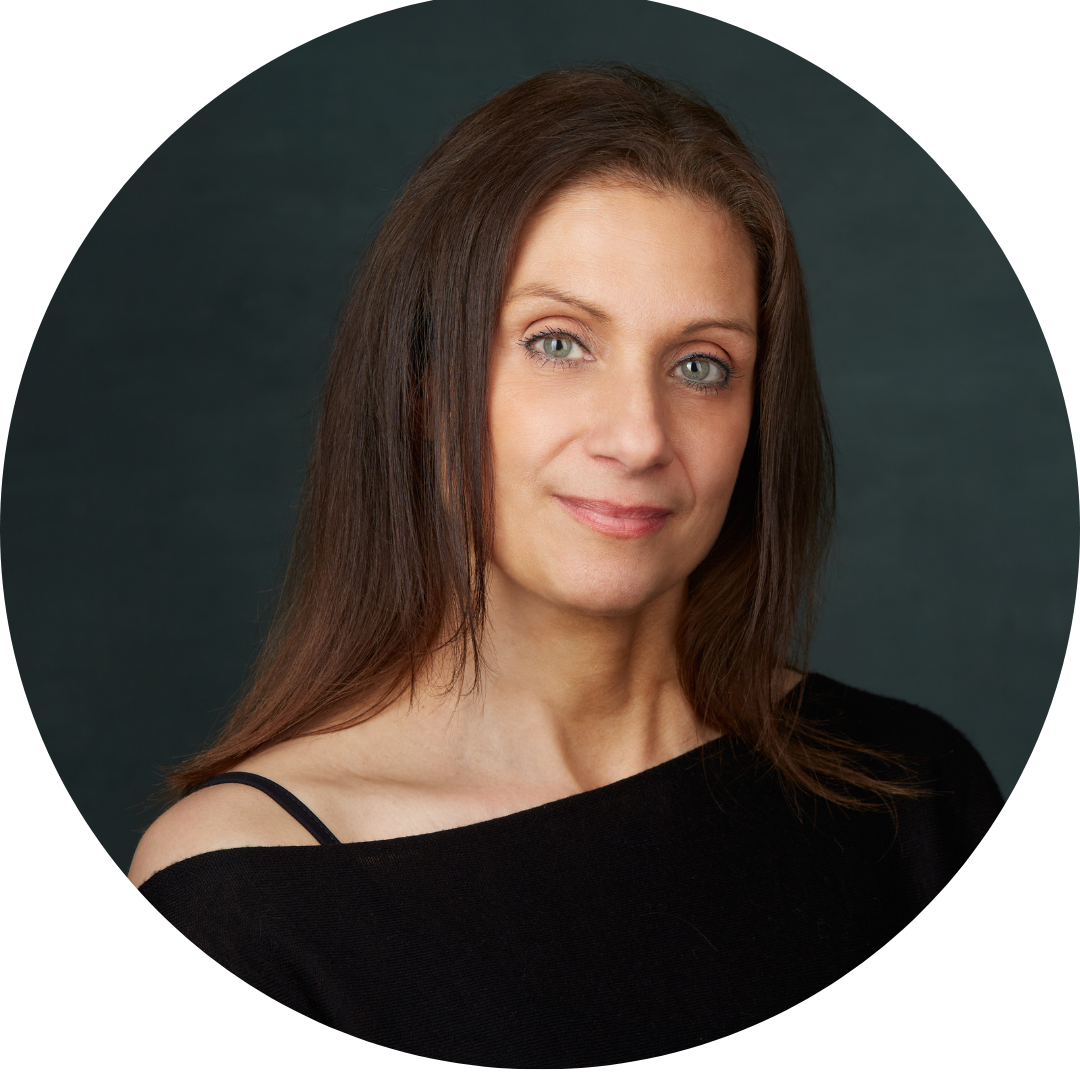
Emma Dunham is an award-winning food photographer, author, and founder of The Food Photography Academy. She helps bloggers, photographers, content creators, and food professionals shoot, style, and curate scroll-stopping images that elevate their brand and support their business goals. Through commercial work, creative retreats, and training thousands online, she has built a business around bridging the gap between brilliant storytelling and the visuals to match.
Takeaways
- Lead with emotion: Decide the scene and feeling you want your photo to evoke before you pick up the camera.
- Find your golden thread: Create consistent style cues across seasons so your brand is instantly recognizable.
- Avoid yellow food tones: Cool down your white balance for fresh, appetizing images.
- Light simply: A window and foil are often all you need for professional lighting.
- Know your hero: Make your main dish bigger, brighter, bolder, and clearer than anything else in the frame.
- Practice relentlessly: Building sets and compositions gets faster and easier with repetition.
- Build a kit bag: Stock up on paintbrushes, tweezers, cotton swabs, and fake ice for quick fixes.
- Use color harmony: A simple color wheel can unlock bold pairings that elevate your brand.
Resources Mentioned
Emma’s Free Food Photography Challenge
Level up your business with the Eat Blog Talk Mastermind
Transcript
Click for full script.
EBT756 – Emma Dunham
[00:00:00] Supercut
You are going to want to download our bonus Supercut that gives you all the information you need to master Pinterest. Head to eatblogtalk.com/masterpinterest to download today.
[00:00:14] Megan Porta
You have poured your heart into the recipe and the post. Now let’s make the visuals work just as hard. Award winning photographer Emma Dunham joins us in this interview to break down how to take food photos that don’t just look pretty, they convert. From simple styling tweaks to the must have ingredients that make your images resonate. Across blog posts, Pinterest and brand deals, Emma shares easy, high impact tips you can implement today. No fancy gear required, no studio required, just results. Let’s go from recipe to revenue. I hope you love this episode.
[00:00:57] Intro
Hi food bloggers. I’m Megan Porta and this is Eat Blog Talk. Your space for support, inspiration and strategies to grow your blog and your freedom. Whether that’s personal, professional or financial, you are not alone on this journey.
[00:01:25] Sponsor
When Gail joined the Eat Blog Talk Mastermind, she expected support. Yes. What she did not expect was learning at this level, setting goals she actually achieved and accountability that kept her on track. Here is her take.
Everyone seems to bring forth like their own strength to the group. So I feel like I’ve been introduced to so many different opportunities and resources just from these past six months or so than I, you know, would not have known about if it wasn’t for this group. We have guest experts that come in and then just our weekly zoom calls.
I’ve learned so much about try this or maybe don’t try that and here’s a resource or whatever that I never would have known about before. So I feel like that in itself has been really, really helpful. I have a lot of accountability which I think is the main thing that I was lacking before starting the Mastermind.
This group has given me accountability and I worked on sustainable goals each month that have kind of shifted my mindset and has gotten me excited for blogging again. I’m excited now to be back to blogging and I’ve kind of structured my days differently now than I have in the past because I feel like I have these new goals that I can reach and I have new, new resources and people that I can get in touch with to help me and just really helps talking about these ideas with people.
Megan mentioned this a while ago to like print out your goals. So she posts in slack at the beginning, beginning of each month, like you know, post your goals for the month. So I then print them out on a word doc and I keep them like right on my desk next to me.
So every day I can see my goals for July and cross them off. And I feel like that really gives me accountability. It makes me know that I am on the right track of achieving my goals and I’m not procrastinating and I know what I need to do it when I need to do it. And you know, I have this group to ask for help that has been really beneficial.
Imagine how much further you could go with clear goals, steady progress, and a group that won’t let you quit. That’s what’s waiting for you here at the Eat Blog Talk Mastermind. Join us. Head to EatBlogTalk.com/mastermind to apply today.
[00:03:43] Megan Porta
Hello, Emma. So great to have you here. After trying this last week and having technical issues, I am extra excited to chat with you today. How are you?
[00:03:44] Emma Dunham
I am very well, thank you. And equally excited to talk about my favorite subject and to meet you. So thank you very much.
[00:03:51] Megan Porta
Yay, food photography. We can’t wait to hear about it because this is such an important piece of our businesses as, you know, as food bloggers. But yeah, before we get to that, do you have a fun fact to share with us?
[00:04:03] Emma Dunham
Well, I just want to show the extremes really of who I am because one side of me, I’m a really big beer lover. I love beer to the point I want to become a beer sommelier next year and do my training to become a beer sommelier. But on the other side of that, I also dance.
[00:04:22]
And it’s not a cool trendy dance. I dance ballet. So I’m a beer swigging ballet photographer and everything just doesn’t really kind of go together. But that’s, that’s me. Hello.
[00:04:36] Megan Porta
Okay, that is the funniest fun fact I’ve heard in a long time. And I think that makes you well rounded. What a great fact to share about yourself. You’re a well rounded human. You have, you’re covering all the corners.
[00:04:49] Emma Dunham
So I’m, I’m normal, whatever normal is.
[00:04:52] Megan Porta
Yes. I love that so much. I mean, putting all of that together in one visual is kind of funny, right? Beer, ballet and photography.
[00:05:01] Emma Dunham
And when you say well rounded, it makes me think of a beer belly now. So, you know, I’m, I’m kind of visualizing as a, as a creative visual. I’ve gone off in a different direction and that, that could make it a lot worse.
[00:05:13] Megan Porta
Oh, gosh. Well, you’ll have to join us on YouTube to see that you’re not, you know, well rounded in that way. Oh, that’s hilarious. So, Emma, tell us a little bit about your business. I know you love photography. It’s a passion. So tell us a little bit about. Yeah. Who you are and what your business is all about.
[00:05:34] Emma Dunham
Sure. I have been a photographer for 20 years. I started off in portrait photography and realized probably I did 15 years of portrait photography, but I was already kind of doing my food photography. And I realized at that point, 15 years in, I was a much better food photographer than I was with people because I just, just something clicks with food and drink and something we all have to do each day with eating.
[00:06:07]
So five, six years ago, I started winning quite a few awards for my food and got featured in magazines and in different, different publications. And I decided that I’d gone through this change of going from a portrait photographer to, to a food photographer, which was completely different in terms of business and the person I was speaking to.
[00:06:32]
And that’s when I decided to set up my food photography academy and train other photographers, aspiring photographers, the hospitality industry, hoteliers, people that wanted to know more about food. But also there was this other little lot of people that, that kind of get missed in all these pockets and that’s the bloggers and the people that don’t necessarily fit into being food photography or don’t necessarily fit into being hospitality.
[00:07:08]
And I found over the years it’s been amazing to have them come into my life and feel inspired by looking at what they’re writing, jumping off the pages with the images that they create to put with it. That really has the whole package for their writing.
[00:07:23] Megan Porta
I love that. Would you say the move from portrait to food is something like looking back, is it something surprising for you, like, oh, that’s crazy that that happened or is it more like, oh, of course that happened.
[00:07:40] Emma Dunham
I kind of, when it happened to start with, it was like, this is crazy. But then when I was in it and realized what a foodie our family are and, and my sister is a journalist in America writing for food magazines and for food and everything seemed to just hover around food that I realized it was probably my destiny to end up as a food photographer.
[00:08:06]
And when I loved it and got recognized for it so quickly, it kind of was like the universe has just told me that’s it, you’ve done it. That’s. That’s where you’re supposed to be. If that doesn’t sound too woo woo. It just kind of felt I was in the right place and I’d, I got to where home was.
[00:08:25] Megan Porta
Yeah. I love it. That’s magical. And clearly you are passionate about it. So I guess as food bloggers, as you know, photography is so important. We’ve got to communicate how delicious our food is. And yes, we can do that through words, but it’s so much easier through photography and visuals. So this is a really important piece of our business.
[00:08:49]
Honestly, we’ve got to nail this part. So do you have any initial, I don’t know, tips or thoughts about how food bloggers can take more scroll stopping food food photos of our food to share with our readers?
[00:09:08] Emma Dunham
Yeah, I would say you really have to carve out what it is that is your style and not be an Instagram clone. And when I’m scrolling through my feed, I have some beautiful, beautiful photos in my feed. But a lot of them start to look the same because someone thinks I’m going to do what someone else has done because that looks pretty, that looks gorgeous.
[00:09:34]
And so they copy what they’re doing and it just gives another clone of that person. And it’s not about the food itself, it’s about the emotion you create in the food. And this is the key thing that is missing in so many food photos that I see that people have seen a pretty food, a nice food, something they’re talking about, that they’re passionate about, but they haven’t connected the emotional responses that it gives us to, to actually take the photo with that emotion and intent.
[00:10:14] Megan Porta
So how do you recommend people add emotion to food? If somebody’s listening and they’re like, yeah, I kind of get it, but how do I actually elicit emotion from my food photography? Does that make sense?
[00:10:29] Emma Dunham
Yeah, absolutely. So let’s take something that everyone would know as a food. So let’s take a burger. If you’re looking at a burger, are you thinking of eating this burger as a treat in a high end restaurant with a knife and fork, with lots of people sitting around with a napkin and having a celebration meal?
[00:10:52]
Or are you sitting in a McDonald’s fast food equivalent where it’s served on a piece of grease proof paper. You’re all sitting around with your friends having the most amazing time and you don’t really care that you’re eating with your fingers and it’s got the cheapest ketchup with it, but it’s just such a happy time with your friends.
[00:11:15]
Or is it somewhere in between where you’ve took like the kids out and you’ve all got these little mini cute burgers that have got little eyes on them and little antennas coming off the top that are little gherkins, and they’ve got these cute little pretty burgers that are making all the kiddies laugh.
[00:11:32]
So just by being able to verbalize where we are when we’re eating that food gives us a sense of how we want to photograph it. And this is the work we have to do before we pick our camera or our phone up to take the photo. This is the bit that it doesn’t matter what you’re taking your photo on.
[00:11:54]
If you skip the why are we eating this and how are we eating it? And. And what kind of feeling is it giving us? Your food just ends up or just a burger. And it can never be more special than that. It’s. It’s just. Just a burger.
[00:12:11] Megan Porta
Yeah. So tapping into that scene almost, and emotion of it starts to put the pieces together. Like, what props do I need, what lighting do I create? What do I put around the plate, or the what do I put in the scene with it? Those sorts of details all start to come together once you can establish that initial scene and emotional piece.
[00:12:37] Emma Dunham
Yeah, and that’s really exciting because as a food blogger, you might have described the scene already. You might have been going through that. You’re all sitting outside, it’s al fresco in the summer, and you’ve got all these burgers coming out on a wooden board, and everyone’s just grabbing a bite of a burger.
[00:12:58]
And so you might realize that you’re putting the emotion into your food through your words before you actually look at the image itself. And it’s. It’s something that I use when I train called ready, steady, stop. You know what you’re going to do, you’re all set with the scene, but then you just need to stop and take a moment back and just reflect on, is this how I want people to feel?
[00:13:20]
What is that I want people to feel when they actually look at my food?
[00:13:25] Megan Porta
Okay, so do you recommend kind of, you know, make. Creating those words, creating the scene, putting the scene together and then reviewing your photos before you continue, like, is this exactly the direction I want to go and altering from there?
[00:13:44] Emma Dunham
Yes, sure. So once you’ve done the emotion, the next thing you’re going to do, as you’ve mentioned, is you’re going to build that set. You’re going to build the story around it, because in your head, you’ve built up where they’re going to be, the what and the how. And this is where you can decide how, which direction you’re going to take it in.
[00:14:03]
Is it going to have a pink floral napkin or is it going to have like quite a manly black dark napkin with a steak knife and. Or is it going to be on a picnic basket? So if you. Even though you’ve decided the emotion, the next thing that you’re building around it is you’re cementing what that story means to them.
[00:14:27]
Hence why you will have lots of material, lots of napkins, lots of different colour plates to really bring that story to life with your words.
[00:14:38] Megan Porta
And this is something that any of us can do. Right. We don’t need a big studio, we don’t need all the equipment to put the perfect moisture on the beef, whatever. We don’t need all of that. It can just be us and our creativity.
[00:14:54] Emma Dunham
Absolutely. And this is where the kind of camera snobs think that you only need to have the best camera and the best equipment to do all of this. But actually the emotion and the story and evoking the intention in that image is the thing that makes someone saliva where we thinking about that food whilst we’re seeing it, we’re imagining ourselves eating it if it has the story in the image.
[00:15:23]
And that goes such a long way, rather than a beautifully lit photo with the most expensive camera in the world that has zero emotion in it.
[00:15:32] Megan Porta
Yeah.
[00:15:33] Emma Dunham
And it makes a huge difference.
[00:15:36] Megan Porta
Yeah. You can tell when you see images that have been put together with a story in mind and with emotion in mind. You can tell. Right. You can just. It’s so obvious. And then when you see ones that maybe haven’t been thought through like that, you can tell that as well, I think.
[00:15:54] Emma Dunham
Absolutely. And it could just be to a dribble of cheese coming down the burger. It could just be a sprinkling of icing sugar with a hand in the image. It could be something that is part of that story that stops it looking like fine dining or a children’s menu or something extra in there that’s just made it so apparent that we.
[00:16:17]
We all know how we want to eat it and with who and where we want to be sitting when we eat it.
[00:16:22] Megan Porta
Right, Exactly. Do you recommend keeping whatever emotion you’re evoking from people consistent across your brand, or is it more from scene to scene that you’re determining that?
[00:16:38] Emma Dunham
I think if you’re writing about different things, you have to show the flexibility in your emotion. And also the seasons have a lot to do with that. If you’re in the summer, you’re going to have a lot of beautiful, bright sunshine with lots of shadows coming in that look like the leaves or from the glasses.
[00:17:00]
Whereas when we come to the fall, our images are more cozy, warm oranges, browns tinted. Then we go into winter, and we’ve got the sparkly lights. We’ve got the dark colors. We might go red and green or silver and blue. And then we come into the spring where everything’s starting again, and we’re coming into this rush of bright colors.
[00:17:24]
So, yes, we can keep the emotion in it, but actually, the season that we. We are in dictates how. How we work. But saying that as a food photographer, we start Christmas in the summer holidays, and it’s really weird getting out the Christmas props when it’s absolutely boiling and you’re trying to cool the studio down.
[00:17:44] Megan Porta
Yeah, yeah. No, I like that. Just breaking it down by season. Because each season does bring its different emotions and colors and flavors, but you can still be consistent across your brand too. I think I know food photographers and food bloggers who, when I see their content on Instagram, no matter what season, I can recognize it.I’m like, oh, that’s so and so’s photo. So there is a way to weave in your brand from season to season.
[00:18:16] Emma Dunham
Absolutely. I call it the golden thread. So there is something in your image that carries through everything you do. And that’s how I work with people to find out what their golden thread is. And sometimes it’s just an absolute love of a color that they like photographing. I’ve got a student at the moment that loves shadows.
[00:18:38]
She puts a shadow into everything. Doesn’t matter if it’s winter, summer, whatever. She puts this into everything. And I think you know what you’re going to gravitate towards. And all I do is sort of guide you, give you a few words to say, what is it? What do you like photographing? If you love cake, then photograph cake in different seasons, in different emotions, and that might be your thing that everyone just sees and goes, wow, I can tell it’s their photo.It’s just a beautiful cake.
[00:19:09] Megan Porta
Yeah. So passion is important. It has to be something that you love photographing, and maybe you love creating it too. That carries through in photos, for sure. You can tell when people love their subject.
[00:19:24] Emma Dunham
Yeah, yeah, absolutely. Yeah. And. And you look at chefs that. Chefs talk about food in such a passionate way that as a food blogger and a food photographer and a food stylist, we need to all be doing the same thing. There’s no point in saying, I’ve got a really nice meal here. Do you want. Do you want a bit of this? It’s not. It’s it’s all right.
[00:19:47] Megan Porta
Yeah.
[00:19:49] Emma Dunham
You know, we don’t hear that. It’d be like, oh, and I chopped up the peppers and I put in a little bit of chili and did this and I did that, and suddenly they’ve just bought you into it. And that’s what we’re doing, all of us, with our words, our food, our images of. We all have to eat, but we can eat well and we can enjoy it.
[00:20:08] Megan Porta
Yeah. Oh, I love that. Do you know of any common pitfalls that can make our food photos not carry through, not deliver the message we want to not be good? Maybe come across being flat? Any of the above?
[00:20:25] Emma Dunham
Yes, yes, yes and yes. One of the biggest ones I would say is, and this is easy again, whether you’re using a phone or a camera, is people try and warm up their food too much. They have a yellow tint to the food. Now, if we talk in this in terms of white balance and a lot of people that are looking at photos, we’ll just have a really simple photo editing program.
[00:20:52]
Even just on a MacBook, you can go into the white balance and cool it down. You’re either going blue or yellow. And with food, we’re trying to keep our food colour cooler than warmer. And this makes your whites, your meringues, your creams, your roulades, everything that you’ve got your buttercreams looking the right color.
[00:21:18]
If we warm them up, they start to look sickly and congealed. And if we’re warming them up and you’ve got a lot of yellows and browns in your image, which a lot of food is, it starts to look a little bit off. So cooling that food down, either with a camera or with any settings on your phone, just look out for the white balance or you might find that there is a cooling balance on it.
[00:21:48]
Crank it down a little bit to the blues, keep it out of the yellows, and you’ll start to see how fresh your food looks when it’s a little bit cooler.
[00:21:57] Megan Porta
That is such a simple tip, and I’ve never heard anyone say that, but it’s so true. The way you explained it, like, congeal just kind of like something’s off, it shouldn’t be there.
[00:22:11] Emma Dunham
Yeah, yeah.
[00:22:12] Megan Porta
So easy.
[00:22:13] Emma Dunham
It’s crazy how many photos I see where people have commented on them and go, oh, my goodness, that looks amazing. And I’m thinking it. It doesn’t. It looks congealed. But I’m not that person. I would never do. I would never critique anyone’s photo unless asked. But again, you know, things that I can offer as pitfalls to avoid are very easy, and we don’t have to kind of reinvent the wheel.
[00:22:43]
Another big one is lighting. And you do not need studio lights. You do not need to spend loads of money on your lighting. All you need is a big window and to put your food to the side of the window. So you have your food in the middle, you have a side light coming in, and it casts some beautiful shadows over your food.
[00:23:12]
If you get in too much of a shadow, just get a little roll of foil and you put it on the other side to bounce a little bit of light back in. So now I’ve got you a window light, some food, and a roll of foil. That’s all you need to spend. And if you don’t want to use foil, white card will do exactly the same.
[00:23:34]
So it’s a really simple and effective way to light your food. If you light your food from overhead, it will make your food flat. There’ll be no shadow. And if you’ve got some food, say like a chilli con carne, where we’re seeing all the mints and all the beans in together, we have to light it with some directional light to put some shadow under every little bit of mints, or else it just looks like one flat.
[00:24:04]
I’m going to use the word again, congealed, mushy kind of bowl. And we just need to have that light coming in from a direction also. The other biggest thing is if you’ve got someone that’s cooking in a kitchen a lot of the time, they’ll have the overlight, overhead lighting, really big harsh strips.
[00:24:27]
And that does exactly the same as if you had overhead lighting that was natural, artificial. It’s a killer. It’s an absolute killer to your food images. And you are better off switching the light off and having a side light coming in than keeping on an artificial light. It will be ruining your food.Images might sound a little bit harsh, but there we go.
[00:24:55] Megan Porta
Yeah. No, I think that’s such a simple way to create beautiful food images. And I think it takes pressure off us, too, because we hear a lot of people say that you do have to get the lighting and you’ve got to get the whole setup. And like you said earlier, your camera has to be super perfect and expensive.
[00:25:16]
And it doesn’t have to be like that. You can start with your phone, tweak a few settings and a window. That’s all it takes.
[00:25:25] Emma Dunham
Absolutely. It’s us humans love to complicate.
[00:25:28] Megan Porta
Yeah, we do.
[00:25:31] Emma Dunham
You know, when. When I’m. When I’m speaking at events, I kind of say you don’t need much. Unless you need me to tell you that you need something because it’s. You need to buy it to make you feel better. You don’t actually need much to get started. You just need a beautiful light source, some gorgeous food, and you’re on your way.
[00:25:53] Megan Porta
Yep. I was just looking. I wonder if there’s a way I can share with you. I have a folder on my hard drive called Really Awful Blog Pics. They were the first pictures I ever took, and I kept them because they’re so funny. But at the time, I remember thinking because I had this little lamp that was, I mean, just like a regular light bulb in it.
[00:26:15]
Nothing it special for photography for sure. And I would put the lamp over top of the food and think that it looked amazing. And now I look back and I’m like, what was I thinking? It’s so funny. I mean, oh.
[00:26:32] Emma Dunham
I see people with ring lights moving these ring lights in towards food and I’m just like, covering my eyes. And again, I would never, ever say anything to anyone. I think unsolicited advice is never welcomed.
[00:26:44] Megan Porta
Yeah.
[00:26:44] Emma Dunham
So if someone said to me, me, my photos are looking rubbish, what should I do? I’ll be like, hey, I’ll give you some really simple quick tips. But don’t just get away from that ring light. Put it right, put it down, burn it, you know, so, yeah, I’m gonna.
[00:27:00] Megan Porta
See if I can drop my. Drop this image in the chat. I’m not sure if it’ll work. I don’t know. Anyway, you’ll just have to envision my guacamole. It was this amazing lighting setup that I explained. It does not look like guac. It looks like a pile of maybe dog vomit. And it. It’s terrible. Like, what. What was actually published that on my blog for people to look at. Maybe I’ll have it.
[00:27:27] Emma Dunham
They said it looked amazing.
[00:27:29] Megan Porta
Yeah.
[00:27:29] Emma Dunham
And you. You don’t see what you don’t see until someone points it out.
[00:27:36] Megan Porta
Yeah.
[00:27:36] Emma Dunham
Or how you can make it better because that’s all you know? And so you can’t be too hard on yourself in terms of. That’s all I know. To me, it looked good. That’s fine. But until someone shows you, you just go, oh, yeah, okay.
[00:27:49] Megan Porta
I know.
[00:27:50] Emma Dunham
Yeah, I see it now.
[00:27:52] Sponsor
Hey, food bloggers, we have something super exciting to share at Eat Blog Talk. The Eat Blog Talk podcast is now on YouTube. You can watch full video interviews with incredible guests, sharing game changing tips for your blogging journey. Subscribe now and don’t forget to share with your fellow food bloggers. Let’s grow together. Head to YouTube, search, Eat Blog Talk and start watching today.
[00:28:19] Megan Porta
Also, improving yourself causes you to look back and see the progress you’ve made, I think, which is always good. And that’s an ongoing process. I’m always looking back at my photos, even from a year ago or two years ago, even though I’ve made so much progress since that gross stick guac pile. I still see when I make improvements, which is kind of a fun part of being a food photographer.
[00:28:43] Emma Dunham
Yeah. And your style changes. Trends change. So it’s something that you took last year. It might be technically correct, but it doesn’t mean to say you actually like it anymore. And it’s like it makes you shudder every time. I got to see that photo again.
[00:29:00] Megan Porta
Yes. I’ll have my podcast producer flash up a few of my incredible food photos in in this episode. So if you’re listening to the podcast, come over on YouTube and see how far I’ve come. Oh boy. Yeah, it’s kind of embarrassing.
[00:29:19] Emma Dunham
I can’t wait to see them now. This is like I’m, I’m on tenterhooks.
[00:29:24] Megan Porta
Yeah. I mean, you always hear people say, like, oh, my photos are so bad. Don’t go back and look. But these are really, really hideous. Do you have any other pitfalls that make food photos fail?
[00:29:37] Emma Dunham
I do. I’m keeping to kind of the big ones that kind of make or break your photo. And the other really big one is you have to know what the hero is in your image. You’ve got to know where you want people’s eyes to go to. So, for example, let’s stick with the burger as we started with it.
[00:29:59]
You’ve got a burger in the middle of your image and then you’ve got a massive bowl of chips. And then you’ve got some onion rings on the side. And these are those really lovely big beer battered onion rings. And then we’ve got a salad next to it. And the key thing is, when you look at an image, your hero needs to be bigger, brighter, bolder and clearer than everything else in the image.
[00:30:31]
So you can have the chips, you can have the onion rings, you can have the salad. But what you have to do is make the hero bigger, brighter, bolder, clearer. We make it bigger by bringing it further towards the camera or phone. So already with the perspective, it’s bigger. We make it brighter by getting some tweezers and bringing the tomato and the lettuce out of the middle of the burger and possibly put it on a nice red napkin that teams in with the tomato.
[00:31:03]
We make it bigger, brighter, bolder by adding things around it where it could be some extra cucumber, some extra gherkins. We can see everything that’s happening. And we make it clearer by pushing the rest of the things backwards into the background of the image so that they start to slightly blur. So once we’ve got that hero at the front, the burger being bigger, brighter, bolder, clearer, there is no doubt where the viewer’s eyes should be going.
[00:31:36]
So if you’re writing a blog on burgers and your chips, your onion rings in your salad are competing with the burger, the viewer is going to get really confused as to where their eyes are going to. They might actually see the photo first and think it’s about a whole table spread. And then they start to read about the burger and get confused that the picture doesn’t correlate to what you’re talking about.
[00:32:05]
So by using some depth of field in your image and taking things backwards, you’ve suddenly got this hero, this main character with its supporting cast behind it, and that, again, is going to help you so much.
[00:32:22] Megan Porta
What if somebody doesn’t know where to start with that? Like, yes, I want the burger to be the focal point, but they don’t know how to compose the scene. Is it just a matter of trial and error, just seeing what looks good once the picture has been taken?
[00:32:40] Emma Dunham
I would say, again, within this, what people tend to do is to work in a very small space and not give themselves enough room behind it. So they might have this burger, and they put it almost up to the wall, and then they’re trying to put the chips and the onion rings behind it, and everything’s really bunched up.
[00:33:03]
What they need to do is if we think of a piece of paper, landscape, we need to turn it portrait, and then we’re going to work in that whole section. And the more they push the supporting cast backwards, the more they’ll get there without having to worry too much about how much experience they’ve got in building a food photography set.
[00:33:27] Megan Porta
Yeah. And practice helps so much, just doing it over and over. Do you agree with that?
[00:33:34] Emma Dunham
I do. And I’m gonna say it’s really shocking to start with, but when I was building big sets and I started off, it took me two hours. I’d sort of say, I’m just going to. At the Weekend. I just wanted to practice. I’m just going to do this one shot two hours later.
[00:33:49]
And it really frustrated me because my brain knew what I was supposed to be doing. But knowing exactly where all the components were going to fit to make the hero bigger, brighter, bolder, clearer, took a lot of times. And it doesn’t mean to say I don’t move a fork 15 times now. I’m still that person.
[00:34:10]
But I can set up and finish the shot now within 30 minutes maximum, because I know exactly where I’m putting it. I’ve built the emotion, I have understood what’s going into the set. I know where my hero’s going, I know where my supporting cast are going. I know where the cutlery, the crockery is going because it’s muscle memory.
[00:34:31]
And so, yeah, practice. I’m afraid there’s no way around this. As kids, we practice for hours with sport and musical instruments. As grown ups, we want that instant gratification and it’s, it’s just not there for this kind of thing. Sorry. I wish there was a magic pill. If there was a magic pill, I’d give it to you.But there isn’t.
[00:34:51] Megan Porta
No, I think, yeah, I mean it’s. Practice makes perfect. Not perfect in the sense you’re always growing and learning, but just keep doing it. And I love what you said about your time getting shorter. I think with every component of food blogging, that is the case with writing, with putting an entire post together, with video, I mean, with all of the pieces just continuing to take one step in front of the other.
[00:35:17]
Do you have any other pitfalls to talk through?
[00:35:20] Emma Dunham
I think you need to think about how you’re cropping it afterwards. So you might take the picture and it’s something that doesn’t come natural, that you might have a chopping board coming into the image. All of that chopping board doesn’t need to be in the finished image. It might be that you’ve got three or four apples on the side.
[00:35:47]
It might be only half of the apples are showing. So when you set the scene, you can kind of cut it off with sort of blinkers as you’re looking. But don’t get too hung up on the fact that you’re cutting things out of your scene and almost put it together, having things hanging out the side.
[00:36:08]
Because if your chopping board is twice as big as the burger, I’m back on the burger, then it looks bigger than the burger, therefore it’s not the hero and your eyes have gone to a different place. So all the time. Everything is to protect that hero and make everything else look smaller around it.
[00:36:30] Megan Porta
Yeah, yeah. I love when people do this really well, when there are things kind of floating off the edges that they just do it so it works really well. Sometimes it doesn’t work, but it’s so inviting. Like, what is going on out here? What’s going on over here? So it’s not just a super well contained scene with margins around the sides, thinking about the rest of it.
[00:36:59] Emma Dunham
Yeah. And you kind of got to shake it out a bit with food photography. It’s kind of like if you start just placing everything where it is, it’s kind of quite boring. And it’s really formulaic and our eyes are trained to be more creative. And like, we shoot in odd numbers. I’d always start with three or five because it’s more aesthetically pleasing to our eyes to photograph in odd numbers.
[00:37:27]
And it’s kind of a bit like if you start putting everything out there like a dice and everything sat with this one thing in the middle, it’s gonna look really boring. And like, you can’t style anything that you’re putting on a table. You almost have to sort of just. Just, you know, do a little wiggle, do something and just go, right, throw a few crumbs, throw a bit of icing sugar, make it a bit messier.
[00:37:53]
And that’s when it starts to feel like a normal table and a normal rustic table with the bread coming off the side and a hand coming in and everything. Not perfect. We’re not perfect. We’re not perfect people. And if anyone is the same as me, every time I eat, I always seem to drop something down me.
[00:38:11]
I am definitely not that perfect person. And so we have to be aspirational, but also to show our human side of this is real life. When we eat, we eat because we love not just to keep everything in tidy lines.
[00:38:25] Megan Porta
Yeah, no, I like that. Shake it out. Also mentally shake it out. Like maybe stop thinking for a few moments to just create the scene.
[00:38:35] Emma Dunham
Yeah, absolutely.
[00:38:36] Megan Porta
I want to ask you about the things that the main things that make an image work really well. But before I do that, do you have any other main pitfalls you want to talk through?
[00:38:47] Emma Dunham
Oh, well, I think they’re the main ones that. That we can go into. What I was also to. What I would also say is we have something that we can use and it’s whether it’s a leading line, whether it’s a problem, or whether it’s a solution. We have something which is leading lines and leading lines is a line that moves towards the hero.
[00:39:13]
And if it’s done badly, it’s done badly. And the reason is, if you’ve got a fork, a spoon, a chopstick, a drizzle, a dribble of syrup, a shaking of icing sugar, everything is getting your eyes to look at one end of it and get into the other end. If your chopstick is pointing away from your hero, you’ve automatically told your viewer to look over to the right of the image and not where the hero is.
[00:39:45]
If you’ve drizzled something on something that isn’t the hero, our eyes are starting at the top of that drizzle and coming down and not hitting the hero. So leading lines with food are beautiful to use because we have so many things that we can use. Straws. If we’ve got a straw that’s going into an empty glass, that’s not a great leading line.
[00:40:08]
Because we’re waiting for the. We’re waiting for the surprise. We’re waiting for the wow. That’s. That’s what’s at the end of the rainbow. And if there’s nothing at the end of the leading line, it leaves the viewer very disappointed.
[00:40:21] Megan Porta
Yeah, that’s so simple too. Yeah. Like where, where’s your eye going? Where’s the viewer’s eye going? If it’s going to nothing, it’s like, now what? Keep scrolling.
[00:40:34] Emma Dunham
Yeah, exactly. I know. Yeah, I know.
[00:40:37] Megan Porta
Yeah, I love that one. What other key ingredients make images amazing and also reflect your brand really well.
[00:40:46] Emma Dunham
Okay, so something that will speed up making your images work really well is we only shoot from three angles in food photography. And we’re not crawling along the floor waiting to get a little bug on a lettuce or anything like that. We’re. We’re photographing food which most of the time doesn’t move. Macarons can move quite quickly.
[00:41:11]
Drizzles can move quite quickly. But ordinarily, most of the time it’s not moving. So we photograph at eye level back to our trusted burger. We want to see everything that’s inside the burger. We want to. There’s more for us to look at in the burger than on top of the burger. So that would be an eye level shot.
[00:41:33]
The second one would be a 45 degree ish. And I always say ish because people tell me, people do like to pull me up on it if I’ve gone 60 degrees or something. But so I say 45 degrees ish. This is where you have a food that has detail on the top of it, but also detail in the middle.
[00:41:53]
So like a cake. A cake has the beautiful layers, but also on the top of it, it’s decorated really nicely. So we’d go higher than the food and we’d shoot coming down on the food so we can see on top of it and in it. And then the third angle is a flat lay where we put our food on the floor and we photograph over the top of it.
[00:42:15]
For example, a pizza, a really lovely pizza. We’re not going to get any detail out of a pizza if we take it at eye level, but taking it right over the top and seeing all the beautiful toppings on top of a pizza is a flat lay. And this is how you can speed up your workflow.
[00:42:35]
And getting the right angle for the right food is the place to start before you. You make a mistake. You’ve. You’ve come up with the emotion, you’ve decided what you want it to be, and then you set your shot up in completely the wrong angle. And then you have to kind of retrace your steps and start again. It’s frustrating. So it’s a great place to go. Okay, what angle am I going to now photograph it at?
[00:42:59] Megan Porta
Allowing your food to lead a little bit. Like, like you said. What. What parts of it do you want to show? What parts of it are the most interesting and important? And starting there. Yeah, I like that. Anything else? Any other key ingredients to make sure that we touch on?
[00:43:17] Emma Dunham
Yeah, absolutely. A key ingredient is your kit bag. And as a. If you’re taking your own food photos as a food photographer, you’re going to need to get yourself a little kit bag with some key things in it. And the key things in my kit bag are paint brushes. We’re not talking expensive, fancy Nancy paint brushes.
[00:43:40]
We’re talking about stealing them off your kids. Going into a children’s store store, getting some paintbrushes, getting something really cheap. And when you have built a set and you’ve got crumbs that you don’t want to be there, you use the paintbrush to wipe around your set to get rid of anything that shouldn’t be on it.
[00:44:05]
If you start to use your hands, your hands have got oil in them. And the oil will then show up on your photo and. And you’re going to have to spend more time editing it or trying to hide your fingerprints. So a paintbrush does the same job, but it just gets rid of anything oily onthe side.
[00:44:28] Megan Porta
Anything else for the kit that you would recommend besides those two things?
[00:44:33] Emma Dunham
Yep. Tweezers are a good one. We need to place things on to make it look like it’s just delicately fallen there. It’s not. So we want to place it so it delicately looks like it’s fallen there. We need the tweezers. If we want to pull that tomato and that gherkin out of that burger.
[00:44:51]
Again, we use our tweezers. And a lot of the time it’s to put things into place. We’re building up a scene and we’re putting it into place. Cotton wool buds are amazing. When you have a soup or something that’s a bit sloppy in a bowl, you just get your cotton wool bud and you go round the edge of the bowl and you get rid of all of that kind of slop where it’s gone to.
[00:45:20]
You can also have a little water sprayer to make your salad look fresh. Spritz a little bit of water on it so it looks like you freshly picked it. You haven’t just opened a bag from the supermarket. And if you want your drinks to look really frosted and like the ice is really cold, you can mix half water and half glycerin and spray it on the front of the glass and lots of little beads of glass of water will show up on the front.
[00:45:52]
And it looks really cool and cold and crisp. But inside you’ve actually got something else which is in your kitbag, which is fake ice. Proper ice actually melts really, really quickly. So if we put fake ice into our glass and we spritz it with some glycerin, it looks like you’re sitting there drinking a cold beer and no one knows any different.
[00:46:17] Megan Porta
Yeah, I’ve seen the fake ice before. It’s incredible. It looks so good, so real and inviting too. Like, you. You need to pick up this glass. So if you are a drink photographer. Yeah, I think that is probably a must.
[00:46:34] Emma Dunham
Yeah. And mixing. Mixing natural ice with artificial is quite good because one. So one sinks and one floats. So if you’re doing a big kind of cocktail and you want to sort of put them in together, you can put some that are floating, obviously, as long as you haven’t got all the ones at the bottom and all the ones at the top, if you’ve got it looking more natural, it just.It will just help your drink.
[00:46:58] Megan Porta
Oh, that is such a great tip. Fake and real combination blew my mind. Okay, any other key ingredients we need to hear about?
[00:47:06] Emma Dunham
Yes. What you actually photograph your food on is huge because everyone that gets into food photography gets really excited and then they go out and they buy some food. Photography backdrops. And because I critique a lot of photos every month, I start to see the same backdrops coming through, which is okay, you know, they look good.
[00:47:34]
There’s nothing at all wrong with them. But if you want to stop the scroll with your food and you want it to look different, you need to think a little bit out of the box rather than a bought backdrop. Think about if you’ve got wooden floors. Think about if you’ve got tiles on your floor.
[00:47:54]
Think about concrete or slabs or paving stones or roof tiles that you might have that are extra. Think about getting pieces of wood from the hardware store and painting them. Think about anything that you can make your own. And this is where when we talk about, you can tell your photos are the same even though they’re different.
[00:48:21]
This is when you’ve created your own backdrops and it’s a golden thread to tie everything together because no one’s got the same backdrop as you if you’ve made it rather than bought it.
[00:48:31] Megan Porta
Yeah, I know. I do see similar backdrops often. And I’m, yeah, same. It looks good, but it’s like, oh, I just saw that one before in someone else’s account. So being a little bit.
[00:48:43] Emma Dunham
Absolutely. I can name a lot of them. And I’m like, yeah, there’s that one.
[00:48:47] Megan Porta
Yeah, right. I’m sure you can. You look at that all the time. I’m sure. Any other key ingredients or anything else you feel is super important to mention to food bloggers about food photography before we start saying goodbye. Emma.
[00:49:01] Emma Dunham
Yes. There is one other thing that I just want to talk about, and that’s color harmony. And this might tie in for food bloggers with the text that they’re using and the colors that they’re using to blog. What I would suggest you do is you get yourself a cheap color wheel off Amazon.
[00:49:20]
They’re literally a few pounds dollars, whatever you’re working in. And you can look at the colors of the color wheel and choose a color that is on the opposite side of the color wheel to clash your colors, to really bring in two bright colors together. These are called complementary colors. And sometimes if we don’t know what to photograph our food with by looking at the color wheel, we can decide if we want to harmonize the colors by going for different shades of pink or purple or greens.
[00:49:58]
We can decide if we want to go to the opposite side of a color wheel so the opposite to red is green. Put them together for a really good oomph. We can go for colors next to each other so we can photograph oranges, reds, and yellows together. And this will all tie in with the text that you’re using and the colors that you’re using that will just make your brand and your logo look so aligned, because your photography is working with.
[00:50:30]
Your brand is working with the colors that you want. So a color wheel can really just bring everything together and have this color palette that you use. And again, it’s another golden thread that you can put together with the text and the images.
[00:50:43] Megan Porta
The color wheel is magic. I can’t remember. This was a long, long time ago. Somebody on the podcast mentioned doing the opposite ends of the color wheel just to see what would. What it would look like. And I tried it with my photography, and I was blown away by how much it worked.
[00:51:01]
It’s so fun because you would think, like, I think it’s blue and orange. Right. Or on the opposite sides, you would think that would fail. But it worked so great. It just looks so sharp and good together. So it’s definitely worth exploring that.
[00:51:16] Emma Dunham
Photographing something like lemons with blue. Yeah, just blue and yellow just pops. It’s like. It’s amazing.
[00:51:23] Megan Porta
Yes. Yep, Yep. Colors go together that you wouldn’t naturally think do. So experiment with it.
[00:51:30] Emma Dunham
Yeah.
[00:51:30] Megan Porta
Okay. I feel like we could go on and on. There’s just so much with food photography and do’s and don’ts, but you have shared so much. So many good gems and easy gems, things that we can implement today if we wanted to. So thank you for all of this, Emma. This is super valuable.
[00:51:49] Emma Dunham
Oh, you’re welcome. It’s so exciting. It would just be lovely to see people being able to have more confidence and to trust what they’re doing when they’re writing their blog to have some beautiful images to go with it.
[00:52:01] Megan Porta
Right. They’re so important. Okay, so to end, thanks for being here, do you have either a favorite quote or words of inspiration to leave us with?
[00:52:09] Emma Dunham
I have three words, and that’s less is more.
[00:52:14] Megan Porta
Amen.
[00:52:16] Emma Dunham
Yeah. You know, when we talk about pitfalls and we see everything shoved into these setups, like, let your food do the talking. Less is more. And just take a beautiful photo with that beautiful daylight coming in, and, yeah, just let it sing.
[00:52:33] Megan Porta
That’s music to our ears. Less is music. So thank you for giving us permission to do that. We will put together a show notes page for you, Emma. If anyone wants to go look at those and everything we’ve talked about today, you can head to eatblogtalk.com/Emmadunham and that’s D u n H A m Tell everyone where they can find you.
[00:52:54]
Emma, do you have any services to offer? Anything you want to talk about specifically for food bloggers?
[00:53:00] Emma Dunham
Yeah sure, if you are on Instagram I’m on Emma Dunham Food photography. Nice and easy. Same with Facebook and LinkedIn. But what I also offer is a five day free profitable food photography challenge. How to get the most out of your food food photography and anyone is welcome to come along. It’s five days online in a private Facebook group where I give you five tasks over five days to go and photograph and you post your images back into the group and a selection of them get critiqued live in each of those five evenings. It’s a really fun week and you can stay in your pajamas. You don’t even need to be dressed. It’s all online.
[00:53:48] Megan Porta
I love it. And we’ll put the link for that in your show notes page. So head there if you want to get access to that. And yeah, thank you so much for all of this Emma and thank you for listening food bloggers. I will see you next time.
[00:54:04]
Thank you so much for listening to Eat Blog Talk. The best way to support this show is to share it with another blogger or friend who could use encouragement today. Let’s share the love. I will see you in the next episode.
💥 Join the free EBT community, where you will connect with food bloggers, and gain confidence and clarity as a food blogger so you don’t feel so overwhelmed by ALL THE THINGS!
Want to achieve your goals faster than you ever thought possible? Stop by Eat Blog Talk to get the details on our Mastermind program. This transformative 12-month experience will help you accomplish more than you would be able to in 5+ years when forging ahead alone.
Click the button below to learn what a mastermind program is, what your commitment is, and what Eat Blog Talk’s commitment to you is. Learn More About The Mastermind Program
✍️ Reach out to connect with Heather Eberle, a copywriter for food bloggers. As much as you enjoy your business, maybe writing or marketing isn’t your cup of tea. Maybe you’d rather spend more time in the kitchen and less time on your laptop. Heather is here to clear your plate! Let Heather help you share your content with the world.