Monetization Strategies for Food Bloggers
Most food bloggers underestimate how much marketing matters after a cookbook is published. Stephanie breaks down what builds a strong author platform, how to create meaningful audience relationships, and why visibility is a long game. This episode gives experienced food bloggers a smarter, more sustainable approach to cookbook promotion and personal branding.
Listen on the player in this post or on Apple Podcasts, Spotify, YouTube or your favorite podcast player. Or scroll down to read a full transcript.

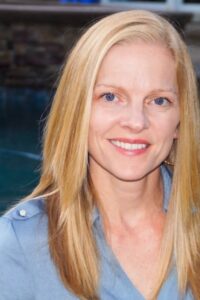
Stephanie Moon has spent over 15 years in book marketing and publicity, leading campaigns for New York Times bestsellers and working with publishers including Chronicle Books, HarperCollins, Scholastic, and Hardie Grant. She teaches authors how to sell more books by building real relationships and communities.
Takeaways
- Community matters more than follower count.
- Owned platforms create stability outside social algorithms.
- Podcast interviews build deeper audience trust than short-form content.
- Visibility grows faster when personality leads the strategy.
- Book marketing requires long-term energy planning.
- Engaged audiences outperform inflated follower numbers.
Resources Mentioned
Get Megan’s Memoir – Take the Exit – Step inside the story!
EBT Listeners use code EBT2026 for a FREE Mini Momentum Call
The FAQs: Ask Stephanie ?s | Substack
Transcript
Click for full script.
EBT803 – Stephanie Moon
[00:00:00] Megan Porta
If you have published a cookbook, or maybe you’re just dreaming about publishing one, this episode is going to change how you think about showing up online. Stephanie Moon, who has worked behind the scenes on New York Times best selling books, joins me to talk about how to grow your visibility without burning out. We reframe what it really means to build a presence as an author, focusing on connection, personality and relationships instead of chasing every trend. And if you want your book to actually sell and your audience to stick with you long term, this conversation is full of simple, powerful shifts.
[00:00:39] Intro
Hi, food bloggers. I’m Megan Porta and this is Eat Blog Talk. Your space for support, inspiration, and strategies to grow your blog and your freedom, whether that’s personal, professional, or financial, you are not alone on this journey
[00:00:50] Megan Porta
Hello, Stephanie. Hi. Nice to have you here on the podcast. How are you doing today?
[00:00:55] Stephanie Moon
Good, how are you? Thanks for having me, Megan.
[00:00:58] Megan Porta
I’m good as well. I’m so excited to chat about authors, and that can apply to authors of cookbooks or non cookbooks. All of the above. We’re going to talk about how to build visibility and your author platform without burning out, of course. So to start, I guess, tell us a little bit about who you are, Stephanie, and what you do in your business.
[00:01:22] Stephanie Moon
Yeah, I would love to. So I started in traditional publishing, working in the marketing and publicity department. So I started in kids, then moved to lifestyle and cookbooks. So as many people know, publishing departments and marketing and publicity are always like, kind of small. And because of that, I got to work on a lot of really cool projects.
[00:01:45]
I got to work with a lot of great authors. And that really showed me that unfortunately there is a little hole right. In what the publisher does and then what the author wants to do. And so that’s why I started my business.
[00:01:59] Megan Porta
Okay. Yeah, there is a gap. I found that gap after I published my cookbook a handful of years ago. And I feel like it’s something that we don’t. We’re not told. Like, nobody tells you this. So you get to that point and then you’re like, okay, now what? I thought someone was going to hold my hand and help me with this, right?
[00:02:18] Stephanie Moon
Yes, yes. And, and I think it’s that, you know, as a, the publisher, right, Their goal is to sell books, and you sell the books in a variety of different ways. Right. But you’re, as an author, your goal is also to sell books, but you’re selling on your platform. And the publisher, like, their responsibility or their job is not to build your platform, but for an author, that’s part of your job. Because the bigger your platform, theoretically, the more sales you will have.
[00:02:49] Megan Porta
Yeah, right. And we are talking to food bloggers today. So a lot of food bloggers either have published a cookbook or a non cookbook, or they are thinking about it because diversifying is increasingly more important than ever. So I think we’ll be speaking to a lot of people today and just how they can do that or maybe if they have published a cookbook or a book, how they can go back.
[00:03:16]
Right. It’s never too late to go back and build visibility.
[00:03:20] Stephanie Moon
It is never too late. So I think for what authors need to really realize is like the first day your book is on sale, that’s like the first day somebody can see you on Instagram, read your Substack, read your blog, and then buy your book right away. I think a lot of people, including myself in the publishing industry talk about pre orders are so important.
[00:03:39]
This is what a pre order does. Like, let’s promote in the pre order. But also as a consumer, people don’t love to buy something and then not get it for a few months or a few weeks. Right. So there’s still that discrepancy of the way a consumer behaves and then the way people in publishing want consumers to behave.
[00:03:59]
Right. And you know, a lot of publishing’s actual profit comes from Backlist. So Backlist is basically anything that’s not new from this season. And so there is absolutely benefits and ways to promote your book, even if it’s like older.
[00:04:18] Megan Porta
Okay. Yeah. So it’s never too late. You’re not behind, you’re. You’re fine. So I always feel like that too. Like I, I should go back and revisit that because I did experience a lot of burnout publishing my book and I wanted nothing to do with it for a while, which is really sad because I, I love what it is.
[00:04:37]
I love how it, I mean, I love how it looks and I love the recipes, obviously. But yeah, someday I will revisit that. So you’re not, you’re not behind.
[00:04:47] Stephanie Moon
Yeah.
[00:04:47] Megan Porta
So you, yeah, you mentioned that our platforms are kind of what we’re in control of, right?
[00:04:55] Stephanie Moon
Yes.
[00:04:55] Megan Porta
So how, how do we manage that? How do we manage our platform in the best way?
[00:05:01] Stephanie Moon
So I think, okay, when, I think, when authors think about a platform, and this is for authors in general, I think they think a lot of like trend chasing, dancing, singing, and I’m like, you can do that if you want, but I think if you reframe building your platform, As a way to build relationships, the platform feels different.
[00:05:19]
Right. It’s like if your blog or if your platform is about making dinner in 15 minutes because all your kids are busy and have activities. It’s a way to connect with these other moms and dads that are in the same situation as you. And building that relationship, like with content that isn’t always necessarily about that 15 minute meal will also help them remember who you are and differentiates you from other food bloggers.
[00:05:51] Megan Porta
Okay. And by platform, we’re talking about the ways that you’re getting the information out there. So your blog, social media, etc.
[00:06:01] Stephanie Moon
Yeah. So this is also one thing I talk to a lot of authors about. Right. Is that there’s two different types of audiences, borrowed and owned. And a borrowed audience is social, like Instagram, X, TikTok, et cetera. Because those are platforms where you don’t like, quote, unquote, own the name because they’re. They’re sent to you via an algorithm.
[00:06:26]
Right. You have no control over that algorithm. But the audience that you own is your blog, your email list, your Substack, your podcast, if you have. And that’s different because you can publish anytime to those platforms and your audience will theoretically see it. Right. No one is standing between you and that. That reader and your platform is really a mix of the two because it would be if you only have one, either social or just the long form.
[00:06:58]
Right. It’s. It’s kind of imbalanced because you need to be creating like a little wheel yourself of, you know, creating content, then promoting it somewhere so new people can find you. Right. And that definitely takes both a borrowed and then an owned audience.
[00:07:17] Megan Porta
Okay. And I feel like people get hung up on this. I don’t say their social media platforms are too small and they feel like they can’t write a book because of that. But should this be a reason to not get started with writing a book?
[00:07:35] Stephanie Moon
Absolutely not. So I think what also, especially in the food space, there’s so many food. Food creators that have millions of followers who obviously get these huge deals, which is great. But there’s also still. And you maybe don’t see them as much followers who. Or authors who have very. A lot less followers.
[00:07:53]
So I’ve worked with authors who have less than 5,000 followers who still got a traditional book deal. It’s about finding the right person, having the right idea, presenting it in a way that makes sense to an agent and to a publisher. You know, not every book can be that hot lead title.
[00:08:12] Megan Porta
Sure, yeah. I know a lot of like bloggers, specifically with really big numbers and really big follower counts and huge blogs, they get really big deals and I think rely a lot on the. Why am I not thinking the word. The. The royalty that you get from the publisher. Right. But if you’re a, like, if you have a smaller account and a smaller blog, you don’t get as much royalty, I’m assuming. But there are other.
[00:08:43] Stephanie Moon
Do you mean advance?
[00:08:45] Megan Porta
Advance. Advance. I’m so sorry. No, I knew I couldn’t think of the word. Yeah, exactly.
[00:08:50] Stephanie Moon
Advanced. I think you can think about it in a few different ways. Right. So, yes, if you are a big blogger and have a lot of people on your platform, like, yes, you will get an advance that’s probably bigger. Right. Even if it’s like six figures, multi six figures, etc. But what you have to consider from the financial standpoint is you get it, but then you won’t start earning then your royalties until you sell through that big advance.
[00:09:15]
Right, Right. So if you got. Let’s go, let’s go wild here. If you got a $1 million advance, you have to sell through all the, the amount of books that it will take to earn out that $1 million before you see another penny from publisher. Whereas if you have a small audience and you get a small advance, you can theoretically earn that out quicker because it’s just.
[00:09:39]
They just give you less money. Right. So it, you know, there’s pros and cons to each.
[00:09:45] Megan Porta
Yeah. Okay, that makes sense. $1 million advance sounds amazing.
[00:09:51] Stephanie Moon
It does, it does. But then I think too, right, if you’re getting a million dollars from a publisher, they’re going to also expand, affect you. Right. To produce a book. That’s amazing. And then also spend some of that money on marketing and publicity.
[00:10:04] Megan Porta
Sure, yeah. So there’s a lot on your shoulders as well.
[00:10:07] Stephanie Moon
Right, Right.
[00:10:08] Megan Porta
Yeah. I liked what you said earlier about seeing the platforms not as like, you know, this is how I’m going to make money, but instead as a way to connect with your users, your community, your audience.
[00:10:21] Stephanie Moon
Yeah.
[00:10:21] Megan Porta
And I think that is kind of a new perspective that we all need to embody really. Not just for books, but for everything.
[00:10:30] Stephanie Moon
Yes.
[00:10:30] Megan Porta
But how, how are some. Do you have recommendations about ways to lean hard into that? Just that community building.
[00:10:40] Stephanie Moon
Oh, it. Yeah. I mean, I think it’s really very cheesy, but being yourself. Right. So it’s in the, you know, in the food space. If you look at cookbooks, right. There’s basically like no new recipe because a lot of cookbooks have a lot of the same types of recipe. Chicken noodle soup, meatloaf, fried chicken, chocolate chip cookie.
[00:11:02]
Right. But what makes your cookbook different than somebody else’s is your perspective. Right? Your. The way you frame it, the way you tell a story, the way. Just the way you present it. Right. And that comes from also you. Right. Your past and your experience. So showing that side of you will help kind of lean into that relationship.
[00:11:27]
Right. Because, yeah, I mean, I’ve definitely experienced this. I imagine you have, too, that sometimes the post that you spend three hours working on gets no likes, no whatever, but then you post something about your day, about your life, about your hobby, about your family, and then all of a sudden you have so many people responding, sharing, etc.
[00:11:48]
Right?
[00:11:50] Megan Porta
Yeah, that’s true. All the time I’m like, what, What. What happened here? Why is everyone so interested in this? And you put absolutely no thought into it. It’s just a random picture when you’re out and about with your family. Yeah, totally true. And you can kind of build that foundation, right, by doing that before the book is published and just building that community and those relationships beforehand.
[00:12:16]
Yes. So that when you do publish, you’re ready to go and they’re. They’re into your content, they kind of know what you’re offering and they’re ready to begin with you, I think.
[00:12:30] Stephanie Moon
Exactly. And, you know, I’m always saying that building your community and platform. Right. Takes as long or longer than writing your book. It’s like one thing in. In the publishing process, you cannot rush at all. You know, if you need to build a website, you need to create some images, you need to find people to pitch.
[00:12:49]
All of that can be done in a weekend if you had to. But you cannot build a community in a weekend.
[00:12:54] Megan Porta
Right. No. That takes time. That is a long game, for sure.
[00:12:58] Stephanie Moon
Yep.
[00:12:59] Megan Porta
So do you have thoughts on once you get to, like, your book is published and you said, that’s day one of, okay, now I need to get it out there. How do we go about that if we’re taking that on ourselves? Do you have tips just for how to get started? This feels really overwhelming to me, and I know if it means. If it’s overwhelming to me, it probably is to a lot of people. So where do we get started with this?
[00:13:26] Stephanie Moon
So I think it’s thinking about, where is your reader? Who is your reader? Where are they hanging out? And also leveraging what the people you know and the organizations you’re part of already thinking about, you know, book marketing absolutely can be overwhelming. But I don’t think you have to start from scratch, especially if you already have a community.
[00:13:50]
So it’s just thinking creatively, I think, about ways that you can reach them and appeal to all of these people.
[00:14:00] Megan Porta
Okay, so using those different platforms and.
[00:14:03] Stephanie Moon
Yes.
[00:14:04] Megan Porta
Do you have, like, a typical strategy? Like, do you. I don’t know what that would be. Email. Emailing, certain things, or just. I’m trying to think of, like, really specific, tangible things to kind of set in motion.
[00:14:18] Stephanie Moon
Yeah. So I think it’s. You know, I hate using this word, but reaching your reader is, like, about a funnel. Right? Right. It’s, like, at the top is where you’re most visible. So that’s getting in front of new people. So maybe it’s being on a podcast, part of media, doing a partnership, doing a collab.
[00:14:38]
Right. And then somebody sees you on this. Right. And then the next step, if they like what you said, is then they follow you on social, or they go to your blog, they go to your website. Then after that, they join your email list. And then all the way at the bottom here is they buy your book.
[00:14:53]
And so you kind of have to be doing all of these things at once to make it really work, which can definitely feel overwhelming. But I think it’s also deciding what’s the right avenue for you to be pursuing.
[00:15:09] Megan Porta
Okay.
[00:15:09] Stephanie Moon
Right. So, like, which visibility tactic feels the best for you or. Or which one do you have the most opportunity or connection with already?
[00:15:19] Megan Porta
Yeah. You mentioned podcasts. I think that’s such a good idea because it’s not tapping into your platforms. You can tap into somebody else’s platform.
[00:15:28] Stephanie Moon
Exactly.
[00:15:29] Megan Porta
And kind of think through that funnel, like you said, and like, okay, what journey do I want to take them on to lead them to the book so you can curate the message and what you want to say that’s compelling and that will hopefully lead them to purchase.
[00:15:44] Stephanie Moon
I mean, I think. You know, it was so funny last week I was on a panel about podcasting, and basically, Americans listen to 773 million hours of podcasting a week.
[00:15:55] Megan Porta
Oh, a week.
[00:15:56] Stephanie Moon
That’s a lot of time. And. And I think, too, think about this. An average, let’s say, reel that you’re posting. Right. Is what, 30 to 60 seconds? So half a minute to a minute. If you’re on a podcast for 40 minutes, you’ve basically created 80 plus reels of time. And the time that you’re spending on a podcast, you’re talking in depth.
[00:16:24]
You’re really talking about your subject or Your expertise. Right. Is very different than just, I made a 15 minute meal. Right. Here it is. It gives you a little bit more. It allows your reader to get to know you better, I think.
[00:16:40] Megan Porta
Yeah. Oh, there’s so much value in, I mean, this is one of my soapbox topics. There’s so much value in podcasts because people, there’s no other platform where people willingly put you into their ears and listen uninterrupted for 60 minutes there. I mean, even YouTube, you don’t sit down and really watch a YouTube video from start to finish for 60 minutes.
[00:17:03]
You get. I don’t know. Podcasts are so unique in that way. So do you have thoughts about how to get on? Like, how do you find a podcast that aligns with your. Like, if you’re, if you write a cookbook about, let’s say, vegan food, how do you find a podcast that aligns with that?
[00:17:23] Stephanie Moon
Yeah, so I think there’s a couple of things to think about. Right. So obviously there are food podcasts that you could put yourself on, but I think what’s really great about podcasts too is there’s a podcast about every single thing you could want. Right? So it’s finding the topics that you’re really well versed or want to talk about and then doing a deep dive to figure out like, where are these podcasts?
[00:17:45]
Can I pitch them? How do I pitch them? What are they interested in? Right. And there’s lots of different ways to do it, you know, so even now there’s stuff like, I think it’s called Podbean and Podcaster, where you can like, it’s like an aggregator where you can like sign up to be a guest and then they can kind of like suggest podcasts to pitch yourself to.
[00:18:05]
But it’s also a lot of like, literally like googling, looking at what vegan podcasts are there, Right?
[00:18:14] Megan Porta
Yeah.
[00:18:15] Stephanie Moon
And then I think also one little trick that I’ve used to a lot of success is I look at somebody who is talking about similar things to me and if I’ve seen them somewhere or on a podcast, I just googled them plus podcast to see where they’ve been. Right. And see. Oh, it’s pretty similar.
[00:18:32] Megan Porta
Yeah, I love that idea. That’s a good little trick. Okay, can we talk about the burning out part of it since I’ve been there? Do you have thoughts on how to go about this whole process without burning out?
[00:18:53] Stephanie Moon
I think it’s a lot of awareness and I think it’s a lot of. You can prevent it by planning, but sometimes it just ends up being a lot. And I think, yeah, you know, in certain seasons, you will have to be more available. Right. You will have to do interviews, you will have to, you know, be ready to do podcasts, etc.
[00:19:16]
But I think it’s also saying, I mean, this is very hard, but saying yes to the things that really, like, light you up. And I think burnout is also. Burnout just is so. People experience it in so many different ways, I think, which is also really hard. But I definitely, you know, have worked with authors who are like, oh, when a book came out, I burnt out in the like, two months.
[00:19:47]
And I don’t, like you had said earlier, don’t want to talk about it anymore. But, like, now I’m ready, you know, now I’m ready again. So I think it just depends on how the author’s really experiencing it and what also. Or is there anything set up that can kind of like keep things going as you’re, like, resting, you know?
[00:20:09] Megan Porta
Yeah, I know. I do think that it takes some forethought and some intention going into it, like, you know, source planning. And I’m not going to. Sometimes I just have to say to myself, I’m not gonna do things that burn myself out. And like you said, sometimes it happens and then you deal with it.But I think a little bit of intention can go a long way.
[00:20:34] Stephanie Moon
Yes. Yeah. And I also think, you know, depending on what’s really burning you out, is it like, are there ways instead of doing A plus work to do, like B minus work? And is that like, okay, which is very, very hard for perfectionists or people who, excuse me, have a certain way of that they’re used to showing up.
[00:20:54]
But sometimes, like, does this video need that extra edit? Does this, you know, do you need to take these pictures right now? Do you need to, you know, redo
[00:21:06] Megan Porta
the pictures or whatever?
[00:21:07] Stephanie Moon
Yeah, right, right. Or is this like, UNEDITED version fine versus spending, you know, 10 minutes on this, which doesn’t seem like much, but times 10 is a ton of time, you know, so just where can you kind of let go of some of that a work to just get it done?
[00:21:30] Megan Porta
Yeah, that’s actually really good advice. Dropping the perfectionism just a little bit, setting that aside and being okay with some things. Do you recommend book tours? Are they a good investment of time and energy?
[00:21:43] Stephanie Moon
I think the question is so nuanced. Okay, so the events are very tax, not taxing, very time consuming to set up and organize. Right. But it does give the author an opportunity to Meet their readers. Right. And nothing to me beats meeting and talking and connecting in person. Right. Just the way you feel, the vibe you get, you know, you just feel really different when you meet somebody in person.
[00:22:11]
But I do think, you know, book tours have like a time and a place. So I think it’s like if you are that author that did get that million dollar advance and you know that you have readers in Seattle, Dallas, Chicago, Washington, D.C. then doing events in those places is great. But do you need to do an event in LA if you think you don’t, you know, have the people?
[00:22:39]
So I think it’s really being intentional about where you’re setting up these events. So it makes sense so that, you know, you have people coming to the event because you’re going to spend a lot of time organizing, saying it. Right. And I think so that’s like one way to think about it. I think also events can be great to increase visibility.
[00:22:58]
Like, hey, I think that my audience is here. They just don’t know me yet. Are you willing to do that? You know, so I think it’s really the event strategy, I think, for books is really nuanced and you have to like, think about a lot of the audience, the bandwidth, the budget. I mean, traveling to all these places is also really expensive.
[00:23:21] Megan Porta
Yeah. And, and depleting. I can imagine.
[00:23:24] Stephanie Moon
Yes, yes.
[00:23:25] Megan Porta
Especially if you show up to like two people being there.
[00:23:28] Stephanie Moon
And, and I think, you know, that happens to like, even the best authors because there’s a lot you’re competing against. Right. And I think that especially if it’s a free event. So I think, you know, if you have a free event at a bookstore, that’s great. Right. But you have to think about all the logistics behind that.
[00:23:45]
So that bookstore ordered extra books, rearranged. Their bookstore has to have extra staff. You flew there or drive there, you’re staying the night, probably you’re preparing. Is there anything that you’re like, yeah, is there food, etc. And so just sometimes more events is not the right thing, but sometimes it could be. And so I know that doesn’t really answer the question fully, but I think it just really depends.
[00:24:15] Megan Porta
Yeah. Okay. Yeah, that’s good to think about. What else do we need to know? If somebody’s listening and they either have published or are thinking about it and they just want to know, how do I build better visibility and my author platform?
[00:24:32] Stephanie Moon
So I think that if you want to be publishing a book, I think that kind of knowing, learning a little bit about the publishing industry is very Helpful. I think that’s one thing. I think the other thing is keep working on your platform. Like, keep growing it. Keep trying new things out. Keep, you know, looking for different partnerships or looking for different collaborations.
[00:24:58]
Right. Because I think that, um, sometimes showing an agent and a publisher will love to see that you’re doing new things, being creative and finding ways to reach your reader.
[00:25:13] Megan Porta
Is there anything that you’ve seen people do that’s really creative, that you’re like, ooh, that would work for maybe some cookbook authors?
[00:25:23] Stephanie Moon
I think it depends on the audience. So I definitely think that food authors have a lot of. I don’t think leeway is the right word, but they have a lot of room to be really creative in how they do an event, because a lot of people are interested in food. There’s a lot of places that, like, want to hold a food event.
[00:25:44]
So I think it’s really kind of leaning into the thing that makes you special. Right. Leaning into your personality and then leaning into your perspective. That makes events really, like, great, you know? So I’m thinking about, you know, bigger bloggers. Like, What’s Gabby Cooking? You know, she has events that are special, that they’re curated.
[00:26:03]
They’re. And they’re quite pricey, but she sells them out so quick because she is so connected to her community. Right. And so what?
[00:26:12] Megan Porta
So I don’t. Oh, yeah, yeah, go ahead. Sorry. I was gonna ask what her events are. Like, what is she.
[00:26:17] Stephanie Moon
Oh, yeah, yeah. So she has. I don’t even know what they’re called. I don’t know if they’re called, like, camps. So she has done, like, a couple of different events for her community. She sometimes has, like, dinners, and so she partners with hotels and does, like, a weekend with her. So it’s like, okay, people stay there.
[00:26:41]
So it’s almost like a retreat, I guess. They stay there. There’s a couple of meals included, and then there’s usually, like, one big dinner, like a cocktail party, and then, like, one big dinner. Dinner. But they’re in, like, different locations that, like, are really fun or have, like, a very distinctive, like, food.
[00:26:59]
Food history, you know, food culture. Okay, so she does that. She also does different, like, dinners, I think, and then she also has done, like, trips. So, like a trip with your followers. Right?
[00:27:11] Megan Porta
Oh, fun.
[00:27:12] Stephanie Moon
So it seems really fun. But she’s. And those are actually not, I don’t think, attached to her books. So they’re just, like, community events that she has, and then they sell out. So I have not been to one, but I see you know, this is what she’s doing. And then when she has a book, you know, people are so invested in her that they pre order and buy the book.
[00:27:39] Megan Porta
Oh, interesting. Okay. So using the event as a way to build those relationships. So not necessarily as a way to sell your book, but then when. Yeah, that makes sense.
[00:27:50] Stephanie Moon
Then when you’re ready. Right. So it’s like building that relationship before you need it, you know? And I think also one thing too that I’ve noticed that she’s especially good at is she is always willing to help. So, like, she lives in LA, I live in San Francisco. So this is why it was also felt very like, close to me is that when there were the fires a few years ago, right away she started collecting money and organizing, like, lunches and food donations for the firefighters and then for families.
[00:28:21]
And so that felt like, really great. And she got, like, brands on board. Right. So she really is a community hub. Right. Herself, not just at the time of her book launch. She’s like, almost always doing that.
[00:28:39] Megan Porta
Yeah. Because we do know those people who are like, hey, I just wrote a book, or whatever. It doesn’t necessarily have to be a book, but they’re like, when they. They want the sale, then they’re out, you know, trying to engage. But those people who consistently engage all the time, they’re so much more likely to get the sale because you already.
[00:29:01]
You have this consistent relationship with them.
[00:29:03] Stephanie Moon
Right. And so it’s like, you know, people can see through that.
[00:29:07] Megan Porta
Absolutely. They can.
[00:29:09] Stephanie Moon
When you’re just coming on to just sell something. Right. And of course, it’s also okay to sell to your audience, but also.
[00:29:15] Megan Porta
Yeah.
[00:29:15] Stephanie Moon
If you want that more genuine feel, then you. You have to be genuine yourself.
[00:29:22] Megan Porta
Yeah. That’s basically the subtitle of this episode is just. Yeah. Like consistently being genuine all the time. And that will be in your favor whether you’re writing a book or selling something else.
[00:29:36] Stephanie Moon
Right. And. And you know, too, I think it can be tiring, for sure. So I think, you know, keeping some stuff private. Right. Keeping some stuff off social, of course. Right. But also, you know, once you do start building that community and you have to be responding to people, you know, it does take time and effort.
[00:30:00]
Right. So also being just aware of that, I think will also help you.
[00:30:05] Megan Porta
Yeah, absolutely. And it helps you to take your sights off of the monetary value, too. It’s like just having this as a goal, like building relationships, immersing yourself in community. That is so much better. That feels so much better than I’m going to make X amount of dollars from this project, and then when it doesn’t happen, you’re so sad and disappointed.
[00:30:32]
Yeah. Just kind of reframes it, I think, mentally.
[00:30:36] Stephanie Moon
And I think, you know, the platform. Yes, of course, publishers would love if you had millions of followers. Right. But what’s more important is the people that are following you, are they engaging with you? It doesn’t matter if you have a million followers. And then when you post something, you get like five likes, and then when you look at them, they look like bots or whatever.
[00:30:55] Megan Porta
Yeah.
[00:30:56] Stephanie Moon
Versus a small audience of 10,000 who really are like, oh, Megan, I love that recipe. Instead of ground turkey, I used ground pork. It was great. Or whatever the comment is. It’s different to have an engaged audience. And it shows, right?
[00:31:15] Megan Porta
It does. You can see the creators who have a truly engaged audience. You can just see it in the way that they’re comments, you know, populate. It’s. It’s just different. Yeah, yeah. Anything we’re missing that you want to mention, Stephanie, before we start saying goodbye?
[00:31:33] Stephanie Moon
I think that creating a cookbook is really. Oh, yeah, Is really.
[00:31:39] Megan Porta
I was just going to say. Or encouragement, too, if you have that.
[00:31:41] Stephanie Moon
Oh, yeah, yeah. I think creating a cookbook is so fun, but also writing the book, especially a cookbook, is so much work. And that’s. But that’s only half of publishing. The other half is sales and marketing. Right. And I’ve definitely heard from authors of all different kinds. They’re like, man, if I knew this is what it would be like, I would have dedicated like a year, left a year of space for this versus, like a month.
[00:32:11]
And I’m like, yeah, because you don’t know what’s going to come up. There’s always different opportunities. Right. You know, you’re working on your timeline, but other organizations and conferences and podcasters and media, they’re working on their timeline. They, like, don’t care when your book came out. Right.
[00:32:26] Megan Porta
Yeah.
[00:32:27] Stephanie Moon
So if an opportunity comes up, being able to take advantage of that also is great. Right. I think that’s also one way to not burn out is just to, like, give it room so you have the energy to kind of devote to that.
[00:32:48] Megan Porta
That’s the one piece of advice I wish I would have gotten before I started my cookbook. Honestly, that’s so valuable, what you just said. Yeah. Yeah. So if people need help with this, whether they’re in it or anticipate being in it, how can you help them and how do they find you?
[00:33:09] Stephanie Moon
So I am at my website is stephmoonco.com. I’m on Instagram, Steph Moon Co. But I also for your readers or listeners have a code EBT2026. I can just send that to you, but it’s for a free mini Momentum call. So it’s like a 20 minute strategy call just to kind of like get you finding the right next step.
[00:33:32]
So it’s like, oh, if you’re trying to like think about finding an agent, like, how do you find them? Or what should you do? Or sometimes, you know, when you’re doing something alone, it can be like, am I doing the right thing? Is there something better I should be doing? What’s just the next step?Right. And so that 20 minutes kind of helps you just get to the next place.
[00:33:54] Megan Porta
Yeah.
[00:33:55] Stephanie Moon
And so I have a few of those for you. And then. Oh, I also have a Substack. It’s called the FAQs, so. So I answer the most.
[00:34:02] Megan Porta
Awesome. And we’ll put all this in your show notes.
[00:34:05] Stephanie Moon
Yes.
[00:34:05] Megan Porta
Okay, great. Well, I feel like this is so valuable because like I said earlier in our conversation, this is a route that people are going or they’re very much considering it. So this could be like the hurdle remover. Like take out the hurdle and just make it happen or take the next step, like you said.
[00:34:26] Stephanie Moon
Yeah. I love that. I’m so glad it was helpful. Yeah.
[00:34:30] Megan Porta
Yeah. Well, thank you for all of this, Stephanie. So great to chat with you today and thank you for listening food bloggers. I will see you in the next episode.
[00:34:40] Outro
Thank you so much for listening to this episode of Eat Blog Talk. If you are craving learning, connection and increased productivity at a low monthly cost, join the Eat Blog Talk Inner Circle. Go to eatblogtalk.com/focus to join. I see you in the next episode.
Are you a passionate food blogger craving the perfect recipe for accountability, focus and connection? Click here to learn about the Inner Circle!
✍️ Reach out to connect with Heather Eberle, a copywriter for food bloggers. As much as you enjoy your business, maybe writing or marketing isn’t your cup of tea. Maybe you’d rather spend more time in the kitchen and less time on your laptop. Heather is here to clear your plate! Let Heather help you share your content with the world.