Monetization Strategies for Food Bloggers

Mediavine’s Christina Fiasconaro shares how food bloggers can use AI, email, and audience connection to grow revenue as search traffic shifts.
Listen on the player in this post or on Apple Podcasts, Spotify, YouTube or your favorite podcast player. Or scroll down to read a full transcript.
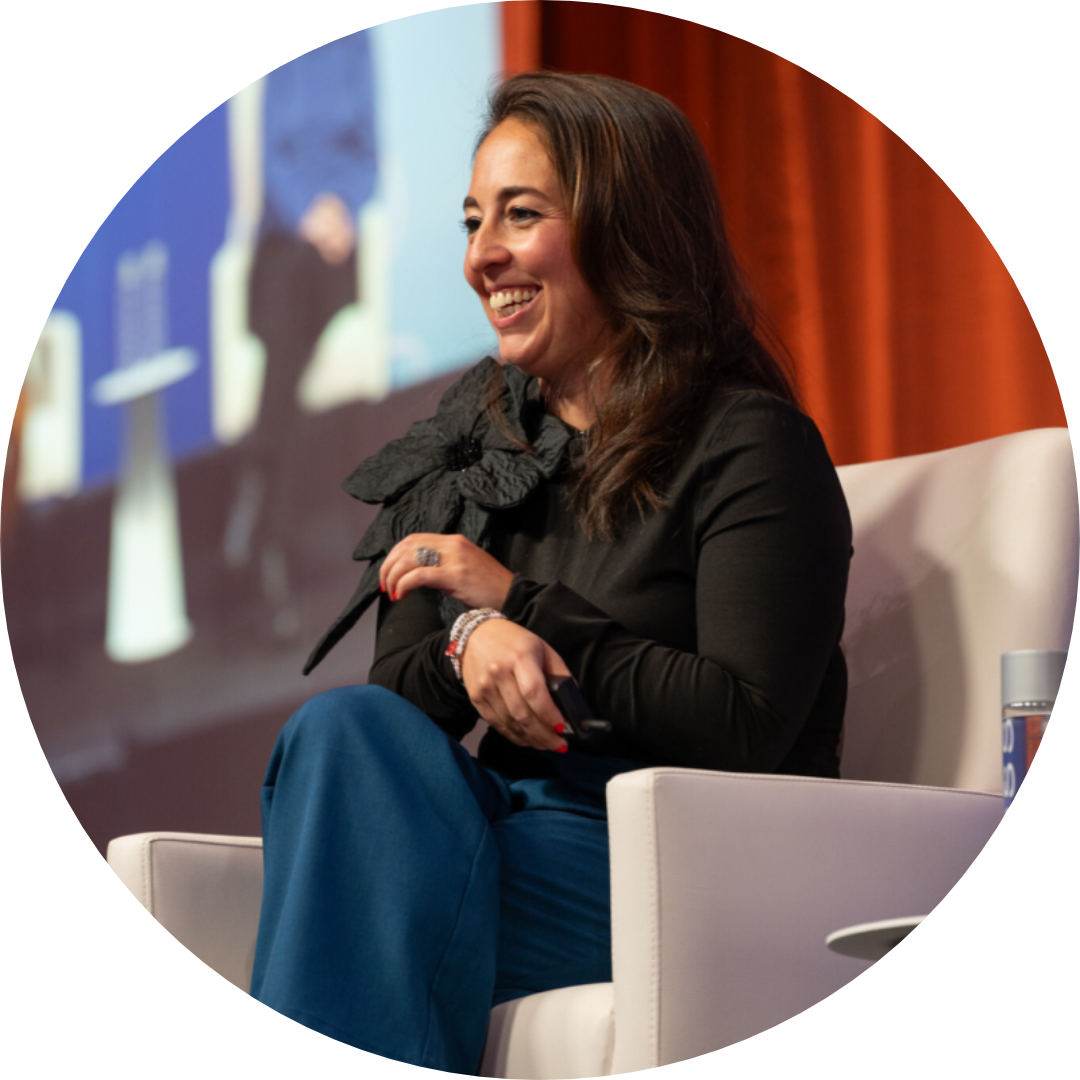
Christina built Mediavine’s Publisher Development function from the ground up. With over 15 years in ad tech, including roles at Nickelodeon, Undertone, and Freestar, she brings a candid, on-the-ground read on where the publisher landscape is heading, especially as AI reshapes content discovery and monetization.
Takeaways
- Ad spend is growing, so the money is still there; it’s just shifting to where publishers are found.
- Use AI to streamline your work, not to define who you are as a publisher.
- Reinvest the time AI frees up into recipe testing, new content, and building community.
- Have AI scan your past viral posts and old content to spot trends and prioritize what to create next.
- Measure success by returning readers, not just single sessions.
- Look at your traffic pie chart without Google and lean into the sources that remain, especially email.
- Email builds a dedicated audience and sends the buy side the signals that drive higher ad spend.
- Be thorough and explicit in your posts to stand out in AI overviews, and don’t block AI agents.
- Track your CPMs year over year and ask your ad provider why if they aren’t rising.
- Publishers have weathered big shifts before, so keep the courage to continue.
Click for full script.
EBT826 -Christina Fiasconaro
[00:00] Megan Porta
Well, good morning, Christina. How are you doing today?
[00:03] Christina Fiasconaro
I am doing so well, thank you. How are you?
[00:06] Megan Porta
I’m doing good. Welcome to the podcast. This is your first time on. So we’re so excited to hear from you today. We’re gonna talk about, yeah, just like what separates publishers who scale from those who stall. And I think it’s so easy to stall right now with all that’s going on. Before we get into that though, tell a little bit about who you are and what you do.
[00:09] Christina Fiasconaro
Yes.
[00:23] Christina Fiasconaro
Yes.
[00:28] Christina Fiasconaro
Yeah, so I am the VP of Publisher Development at Mediavine. I am coming up on my two year anniversary. So I’ve been here for about two years, which is very exciting. But I’ve been in the industry for quite some time. I started off on the TV side of the business at Nickelodeon, which was very fun, but a very different world. And then moved over to an SSP. I moved over to a news publication for a little while, and I bring those up because I think they’re relevant to the conversation about AI based on some shifts we’ve seen in the past. And then I landed at Mediavine two years ago to help bring on new publishers and to help do some outward conversation about what Mediavine does and how we can bring some great technology and revenue to the publishing world.
[00:35] Megan Porta
Woo!
[01:17] Megan Porta
Amazing. So you have a lot of information in your head about publishers and how they can succeed and what they need to do and what maybe they need to not focus on in order to do that. So would you mind starting this conversation off with AI? Because I feel like that is something that is really becoming ingrained in a lot of people’s businesses in order to streamline and just keep up with everything that’s going on right now. So what are your thoughts about AI right now for publishers?
[01:21] Christina Fiasconaro
Yes.
[01:39] Christina Fiasconaro
Yeah, so AI to me is a big shift in the industry. I don’t think it’s necessarily a collapse. We’re actually seeing programmatic revenue and actually global ad spend increase year over year. So in terms of revenue, AI is not removing the revenue from the conversation, but what it is doing is it’s really shifting where the revenue is going. So I think for publishers, the key conversation is how can you still be found and how can the brands and agencies still find you when it comes to AI and where they can spend their revenue on your content? But I think, you know, that shift is a key topic for publishers right now. How can we make sure we’re coming up in search? How can we make sure our audience is still there? And I think it’s definitely a change from what we’re used to. And figuring out how to navigate that is a big topic.
[02:39] Megan Porta
Oh my gosh, for sure. And I think it’s evolving constantly, right? So it’s not like there’s ever like, okay, here’s how it is and it’s gonna stay like this. I feel like it changes every week. Yeah. Yeah. Oh gosh.
[02:45] Christina Fiasconaro
Exactly. It changes every week. If we think about where we were a year ago and how we used AI a year ago to today, I mean, it’s just a completely different world. And I think I would say the conversations too with publishers a year ago were so different. I think a year ago publishers were like, how do we prevent this? But now the conversation is how can we use this to our advantage? And what can we do with AI to help our business? And I think that’s a really good change of conversation because there’s a lot of things we can do to streamline our businesses with AI, but not replace who we are as a publisher. I’d say at Mediavine, we like to say we use AI to streamline, not define. And I think that’s a good way to think about it. And when it comes to publishers, I think if we are using AI to help save time in certain areas of what we’re doing. So if you have 200 old posts that you are looking at and you are manually reviewing those posts and editing them and updating them, we can use AI to help us with those projects and then take that time to focus on recipe testing, new content, and where I think the key change for publishers needs to be is really connecting with our audience and building a community.
[02:55] Megan Porta
Absolutely.
[03:05] Megan Porta
Yeah.
[03:24] Megan Porta
Yeah.
[04:09] Megan Porta
Yeah. Oh gosh, that’s so important. And people are doing that more and more, I’m seeing. Thanks to AI freeing up a little bit of time. So for the publishers that you’ve seen who have really made good use of AI to really grow and scale their businesses, what specific things are they doing?
[04:27] Christina Fiasconaro
Yeah, so there’s a few things. I think one thing, and what I think publishers should really map out, is write down everything you’re doing on a day-to-day basis that’s manual and figure out which pieces of those you can start using AI as your assistant in those things. One thing that I’ve spoken to publishers about too is if you are starting to see different trends with your posts and your revenue where you had some viral posts a couple of years ago, but you’re not picking that viral post up again this year, have AI scan your viral posts and see if they’re finding trends in what you wrote about, or if there were keywords or topics that really resonated with their users. It may not find something, but it’s a good way to pick up some different things that you could start working on. So maybe they’re finding a trend that you had and you could use that for your content moving forward. But there’s ways you can use AI to scan all of your previous content so that you can figure out how to prioritize what you need to do for future content pieces. So that’s one place. I don’t know if you’ve done that or if you’ve heard of publishers doing that.
[05:35] Megan Porta
Yeah. Yeah. Yes, definitely. Definitely. And I think AI can see things differently than we can, especially when we’re so engrossed in our businesses and we get almost emotional about the content that we create. Yeah, it’s very personal. So to have AI just look at it from an AI perspective, it’s like the emotion is gone. There’s no personal perspective. So it’s very clear and very straightforward. And sometimes I see the data that it presents and I’m like, I was not seeing this. I think it’s so helpful on every platform too. Like I do this with my YouTube data, with Google data, with Pinterest data, with, I mean, Instagram, everywhere, and it really is ridiculously helpful.
[05:46] Christina Fiasconaro
Yes.
[05:50] Christina Fiasconaro
Yes, it’s very personal.
[06:10] Christina Fiasconaro
Yes.
[06:21] Christina Fiasconaro
Yes. Yeah. And I think it can help you sharpen editorial workflows in terms of outlines or research or things of that nature, updating evergreen posts. So if there’s something you update every year, you can use AI to help with that. There’s a lot that it can do, but I think what it can’t do, and what we have to remember, is it can’t make a reader trust you. So I think when it comes to what AI can do and can’t do, we have to remember that we are still the reason people are coming to our sites. And AI cannot replace that. So that I think is the scary thing that people think about, is AI going to replace the reason why people are coming to my site? But building trust with your audience and making sure that the time you’re freeing up from using AI to help streamline your workflows should then be used to help create that connection with your audience.
[06:30] Megan Porta
For sure.
[07:05] Megan Porta
Yeah.
[07:20] Megan Porta
That is such a good point. I love that. So don’t just waste the time that’s freed up, use that to connect with your people. That’s so good.
[07:24] Christina Fiasconaro
Yes.
[07:29] Christina Fiasconaro
Correct. Yes, yes. And there’s a lot of things that people are doing right now that are connecting with their audiences. But I also don’t know if publishers are at the point yet where they’re really looking at the data behind the people that they’re connecting with. So for example, a lot of publishers are just looking at sessions in terms of success, but I think what we want to start looking at is not a single session, but who’s coming back continuously to the site? How do we make sure we’re measuring success in our dedicated audience versus just the one-time visitor? And when you can start figuring out who’s a one-time visitor and who’s a dedicated audience to your site, you can then focus different attention on how do we convert that one-time visitor to a continued visitor? And how do we still make sure we’re resonating with the audience that has been coming to us for our content.
[08:27] Megan Porta
So what things do you recommend doing for those return visitors, the people who come back over and over?
[08:32] Christina Fiasconaro
Yeah, so I really think it depends on the site, obviously. I think what people need to remember is going back to the reason, and this is gonna go way back into my thoughts about publishers, but when you first started writing and publishing a food site, what was the reason for it? And why did you wanna start your site? And I think as publishers have gotten successful, sometimes we forget the reason we started our site in the first place. But that’s how you built your audience, is, you know, they came to you for your perspective on certain things. So I think when it comes to your audience and connecting with them, we need to get back to that mindset of what am I bringing to this person that is unique and is going to make them want to come back to my site tomorrow. So depending on why you started your site and what you feel is your unique perspective of food and your recipes and the stories behind them, I think going back to that point and that reason you started is really going to help us get back to that connection. I actually think when I was listening to your first blog post, you talked about this a little bit with your recipe for success was getting back to you. And that’s really how you built up your audience as people were connecting to that piece of you that they wanted to hear more about.
[09:53] Megan Porta
Yeah.
[09:59] Megan Porta
Hmm, yeah, that’s interesting. Yeah, I think it’s funny because over the years our businesses have gotten bogged down with so many things that we’ve kind of lost ourselves. And it’s really ironic that now that AI is so hugely in the picture, that it’s allowing us time to go back to those roots. For me, that has been the case in 2026 for sure. And I’ve seen that in other friends, publisher friends as well. But isn’t that weird? Like a year ago, like you were saying, we were so scared. We’re like, get rid of this, I wanna resist it, push it away. And now it feels like it’s actually opening up time for me to be me again and do the things I loved originally.
[10:10] Christina Fiasconaro
Yes.
[10:20] Christina Fiasconaro
Yes.
[10:29] Christina Fiasconaro
It boomeranged, yes.
[10:39] Christina Fiasconaro
Yes. Yes. Yes. It is one of those things. And if we go back to, I mean, we’ve been here before. I mentioned my work history because I have seen shifts like this previously. When I first started in the industry, digital was not a thing. Everybody was just buying ads on TV. And if we think about now like Netflix and Hulu, none of that existed. So we had to shift from TV to digital, and I was a part of that. We also shifted from digital with websites to mobile, and that was a huge shift for publishers and brands and agencies. App is a shift. And if you think about newspaper, I’d probably say print to digital was the biggest shift, similar to this, than some of the other pieces. But the industry has been here before. Publishers have been here before. We’re just living in the middle of it. So it is a little scary at the moment. But I do think we are at a point where we can live in both worlds of what we know from the past and what we know is coming with the future of AI, and we can find success in that pathway. And I think remembering that we’ve all been here before at a time where there’s this huge shift may help. But it does feel like panic a little bit with everything going on.
[11:09] Megan Porta
Yeah.
[11:21] Megan Porta
Right.
[11:39] Megan Porta
Yeah.
[11:57] Megan Porta
Yes.
[12:08] Megan Porta
I mean, I feel like the panic is getting less and less. And thank you for that reminder because we do forget that we’ve been through big shifts in life, not just the industry, but what you mentioned, like, do you remember not too long ago, this was like a couple of years ago, when there were Redbox DVD stations at the grocery store? Those don’t exist anymore. And it used to be like that’s what we did on Friday night. I would take my boys to the grocery store and we’d get a DVD and now it’s like, what? That seems crazy. Just get it on TV. But yeah, it’s like things shift all the time and we come out fine, right? Yeah.
[12:19] Christina Fiasconaro
Yes.
[12:27] Christina Fiasconaro
Yes.
[12:36] Christina Fiasconaro
Yes. Yes.
[12:45] Christina Fiasconaro
We come out fine. I think it just is how to navigate that shift and find success on the other side of it is what we’re all in the middle of figuring out right now. But I think the good news is that, like I mentioned earlier, programmatic ad spend and global ad spend is not going anywhere. It’s increasing. So for the publishers who are seeing some dips in traffic, there are ways we can capture revenue again, even with AI at the forefront of all of this. So it’s really getting that mindset into shifting a little bit in the way we’re working on our site and connecting with that audience to make sure we’re capturing that spend again. Because the spend is there. It’s just a matter of how do we get it.
[13:27] Megan Porta
Okay. Yeah, that’s good to know. No, that’s great to know. So connection is a huge piece of it. And then do you have any insights or advice, words of wisdom, encouragement for people who have seen huge dips in Google search traffic?
[13:35] Christina Fiasconaro
Yes.
[13:44] Christina Fiasconaro
Yeah, so one thing I always ask those publishers is when you look at your pie chart of where your traffic is coming from and you take Google out of that, what do you have left? And what are those other areas that people are coming to your site from? Not that that’s going to replace what’s happening with Google, but it can give you an indication of where you can lean into to build up that audience again from different avenues. I think if you’ve got a huge chunk of Google traffic, we have to find a way to shift to other areas of that pie chart to see how you can get that audience from different avenues. So it’s really a matter of where is everybody finding you outside of that? A lot of publishers I talk to are leaning into social, they’re leaning into Instagram and then leading their users to their site. I would say the biggest thing that publishers can do is email. Email has multifaceted ways of getting you more revenue and a more dedicated audience. And it sounds obvious. We talk about email all the time. We’ve been talking about it for years, but you’d be surprised about how many publishers aren’t focusing on email right now. And that’s really where we’re gonna win, is getting those audiences coming back to your site, and they will be the returned users. But there’s also other benefits to that in terms of increasing your revenue from an email audience.
[14:50] Megan Porta
Yeah.
[15:12] Megan Porta
Yeah. Yeah. Email is very personal too. You can say anything you want in email. You can put links to your website in emails. You can really get creative with the way you structure those. Those are yours. Email, you can do whatever you want. Affiliate links. I know a lot of people are making affiliate money in emails too. Do you have anything specific about ways that we can put our emails together?
[15:17] Christina Fiasconaro
Yes.
[15:25] Christina Fiasconaro
Yes. Yes. Yeah, diversifying.
[15:37] Christina Fiasconaro
I think that’s personal too, but I actually spoke to a publisher last week who emails her users twice a day, which sounds like a lot. One is a new recipe, and another email after that is a roundup of recipes that came from the week before. And she has seen a lot of success coming from that. Now it’s great, but again, you have to know your audience. If your audience is like, nope, unsubscribe, that can really hurt. But I would say making sure you’ve got a touch point with your audience at least four times a week would be important. And going through your list and seeing who’s reading them and who’s not, and don’t be afraid to remove the ones who aren’t reading because you want to make sure you’re resonating. It’s not necessarily about the number of subscribers, it’s about the people that are coming back to your site from that email list. So really paying attention to the data behind it is going to help you navigate where you have to tweak and change what you’re doing with email. And don’t be afraid to A/B test. One week do an email a day, the next week do two emails and see how that changes your click-through rate, how it changes people who are unsubscribing or subscribing. Make sure you’re doing those A/B tests to really play with it and navigate what’s being successful for you and what just isn’t working.
[15:45] Megan Porta
Oof. Yeah.
[15:59] Megan Porta
Wow, that’s amazing.
[16:23] Megan Porta
Yeah.
[17:05] Megan Porta
Okay. And then I had a question going back to the Google search traffic, the AI overviews. Is there a way to just utilize that more? You know what I mean? Like get your content there more. I think people are trying to get into those AI overviews more so that they don’t get lost in the links below.
[17:12] Christina Fiasconaro
Mm-hmm.
[17:27] Christina Fiasconaro
Yeah, I think, you know, that’s a tough question because Google is hard to figure out. I would say that making sure your content has a unique aspect to make sure you are coming up in that search. The things that aren’t going to bring your site to the forefront of the AI search results are things like what temperature do I cook chicken at, because that is something that’s not going to need a link to any particular site. But if you’ve got a piece of content that people are continuously coming back to, I think that’s going to continue to bring you up to the AI search results. The other thing that I feel very strongly about is that everybody’s AI overview, and especially when you’re using Claude or ChatGPT or these other types of algorithms that are coming out, it is an algorithm. So if people like your content and like your site, and then you’re showing up and that can be recognized by your agent, you’re going to continue to show up more than other sites that have similar content. So this just goes back to that connection with your audience. If you’ve got fans that like what you are doing, when they click on your site, the agent recognizes that they’re going to continue wanting to bring that to the attention of the user behind it. Because at the end of the day, the user is the one controlling the agent, even though the agent is bringing us the results. They want to learn our behavior so that the results they bring to us are going to be what we’re looking for, if that makes sense.
[17:54] Megan Porta
Yeah.
[18:29] Megan Porta
Mm.
[18:36] Megan Porta
Yeah.
[18:47] Megan Porta
Interesting.
[19:01] Megan Porta
That does make sense. That’s really interesting. So really it goes back to your first point, which was connectedness, making sure that you’re connected with your people and that will play out in a beneficial way in so many ways.
[19:07] Christina Fiasconaro
Correct.
[19:13] Christina Fiasconaro
In so many ways. If you think about how you write, because a lot of people I know are writing emails via AI. And many times they’ll go back to the agent and say, put this in my tone, put this in my words, say this how I would say it. And we’re training our AI agents to do things that we would do. So when we think about the people that are coming to our site, we are going to want to train our agents to bring the sites that we like and the publishers that we like to the forefront of our search results. So that’s something that I think about when I’m thinking about publishers and our connectedness to our audience. But also what we don’t want to do is block our sites from showing up in the results. And I know some publishers in the beginning have been blocking AI agents, but if we block those and restrict ourselves from even being able to show up, that just limits how users can find us.
[19:24] Megan Porta
Mm-hmm.
[19:52] Megan Porta
Mm. Yeah.
[20:04] Megan Porta
Absolutely. Yeah. I think that’s been an evolution too. Like at first we thought we just don’t know what this means. So I was hearing a lot of people block, but now it’s like, okay, obviously it will benefit us if we unblock that. Yeah.
[20:08] Christina Fiasconaro
Yes.
[20:19] Christina Fiasconaro
Yes. And also I don’t know if a lot of publishers are doing this, but see how you’re coming up in AI as well. Like I don’t know if a lot of publishers are searching themselves or searching what they consider their best content. But there’s a good way to learn what the agents are doing by just figuring out if you’re showing up. Have you done that for your site? Okay.
[20:26] Megan Porta
Mm.
[20:42] Megan Porta
I have a lot. Yeah, I’ve done that. And I find that the content that puts me, so let’s see, I’m trying to think of one example. Like this chili paste recipe, I was showing up pretty early on in the AI overview and I was trying to figure out why, because my chili paste isn’t the best recipe in the world, but I came to the conclusion, and I might be wrong, correct me if I’m wrong, Christina, but I think it’s just how consistent and thorough I am inside of the recipe post. And like if instead of saying two serrano peppers, okay, how much do they weigh? You know, like that sort of thing, like do you need to see them, just getting really helpful, I guess is the word, inside the post. And the more helpful I’ve become, the more I’m showing up in those AI overviews. And I don’t know if that’s something you found too.
[21:01] Christina Fiasconaro
Yeah.
[21:15] Christina Fiasconaro
Yes.
[21:27] Christina Fiasconaro
Yes.
[21:34] Christina Fiasconaro
Yes. Yes, absolutely. Yes. The more detail, the more help you put into it, that also helps separate you from other similar recipes or posts that are out there, is making sure that those details are in your content. It’s definitely going to help you show up more because people are wanting to learn when they’re searching. And if the agents can find something unique about a post that isn’t in the other post that they’re finding in their scans, you’re going to pop up.
[22:05] Megan Porta
Right. Yeah. And then I noticed too, sometimes in my recipe card I’ll have something that’s not explicitly stated, but then in the recipe post it is. And actually AI helped me find this. Like, did you notice that you didn’t have this detail? And so I’ve started doing that where it’s like, okay, I need to be consistent from the recipe card to the post and be as clear, helpful, explicit as possible. And that really does seem to help.
[22:33] Christina Fiasconaro
Yes. Yeah. Yeah. And to go back to your question about Google too, I think what’s important for all of us to remember is they have skin in the game when it comes to making sure publishers are successful. So while it seems that it’s hard right now, even brands and agencies, they need the traffic to put their ads on and hit their revenue goals. So everybody in the industry is trying to figure out the best way to navigate this, but we all have the same end goal of making sure that publishers are successful so that brands and agencies can put their ads on a multitude of pages and connect with people. So it is something that’s nice to see because when I go to the conferences that we go to and speak to industry people, all of us are really trying to make sure that publishers are successful and publishers are a big topic of conversation right now, where previously it was more about the brand, the agency and some of the other players in between. But there’s a big focus on publishers right now, which is nice.
[22:43] Megan Porta
Mm.
[23:13] Megan Porta
Right.
[23:43] Megan Porta
Yeah. That’s a good reminder too. Gosh, Christina, I feel like so many things just reading between the lines in our conversation so far, it’s like, yes, we need to know that instead of getting caught up in the worry. And then what you said earlier about, my gosh, I lost it. You said something that I felt was encouraging that is completely out of my mind. But thank you. Yeah, we need these reminders. Yes, we’ve been here before, like with the DVDs and whatever. Like we can handle shifts well and to be reminded of that too. Thank you.
[24:06] Christina Fiasconaro
Maybe we’ve been here before. Yes, we’ve been here before. Yes.
[24:14] Christina Fiasconaro
Yes, yes. Somebody brought up a great point. We were at a conference last week and it was actually the first time I heard it thought of like this. But if you think about mobile apps, when you go into the app store, you are searching for a specific app and you are finding that app based on knowing what you’re already there to find. I think we are starting to see a shift like that with sites too. And I know I keep moving back to the connectedness of the audience, but you know, when people are gonna start searching in the future, I think they are going to start searching for sites again, and brands and, you know, who they really like to go to, similar to the way we do for apps. I haven’t gone into the app store and searched for like what’s a fun game to play. I’ve searched for a very specific thing. But I thought it was an interesting way to think about it. I don’t know if you agree on that.
[25:01] Megan Porta
Yeah, that’s the point. Hmm. Yeah. Right. Yeah, that’s a good point.
[25:13] Megan Porta
Mm-hmm. No, no, I like that. I think that too. A lot of the worries that we have had in the past year are going to circle back and it really does come back to personalization and that humanity and like people want you ultimately. Yeah.
[25:24] Christina Fiasconaro
Yes.
[25:32] Christina Fiasconaro
Yes. Yeah. We’re also seeing, and I don’t know if you’re hearing of this in the conversations you have, we are hearing a lot of publishers starting to lean into apps actually. So creating an app for their site. That’s an avenue that people are, not a huge percentage, but people are starting to diversify into the app space as well. Which I think is an interesting area to go into.
[25:42] Megan Porta
Hmm. Interesting. Like cooking apps or okay.
[26:03] Megan Porta
Yeah, that is interesting. I’ve heard of, you know, leaning into apps, leaning into certain diets and things like that, but you’re talking about an app for a recipe blog. Okay.
[26:12] Christina Fiasconaro
Yes.
[26:16] Christina Fiasconaro
Correct, yes, just as another means to connect with an audience in a very unique way.
[26:20] Megan Porta
Yeah.
[26:25] Megan Porta
Yeah, apps used to be really hard to build, but I suppose that isn’t the case anymore. They’re probably not quite as hard.
[26:30] Christina Fiasconaro
It’s a little bit more streamlined than what it used to be.
[26:33] Megan Porta
Yeah. Right. It used to be like you have to hire a team and it was very spendy. All right. Yeah.
[26:38] Christina Fiasconaro
Yes. And I say this as somebody who’s never built an app. So I just assume it’s easier. But I’ve heard things have gotten a little better to be able to explore building an app and getting into that space. Yeah.
[26:55] Megan Porta
Right. Yeah. Well, Christina, what else do we need to know? Anything else that you feel like publishers should know right now?
[27:02] Christina Fiasconaro
I think publishers know what they need to do. I think it’s a matter of diving back into it and getting motivated to make this shift with the change that we’re seeing with AI. I think publishers should really connect with their audience via email and not be afraid of using AI to streamline their processes to help free up time for the things that everybody started their businesses for, you know, the reasons they started their business and doing what they love, making time to test your recipes, making time to create more content. I think this is really where the shift is going. And we are going to see the natural success come out of that once we start really getting back to the basics of the reason why we started our businesses in the first place.
[27:53] Megan Porta
Yeah, I feel like that for me this year has just allowed for a level of creativity and connection, like we talked about many times already, that I haven’t had in years. And that feels so refreshing to me. It’s something I didn’t expect at this point. I’ve been a publisher for sixteen years now. So I never thought that I would be in year sixteen and feeling a refreshed level of creativity. That’s crazy, but it’s true. Yeah.
[28:00] Christina Fiasconaro
Yes.
[28:07] Christina Fiasconaro
Yes.
[28:23] Christina Fiasconaro
Yes. Yes. And I think the other thing that I didn’t mention is, so we talked about email, but I think what publishers should understand about the reason email is so important is that emails signal to the buy side who is on your site and they’re going to spend more money when we talk about the shift in revenue. They’re going to spend more money if they can identify who is visiting. So if they know I am a mom in my 40s, they’re going to spend more money to serve an ad that is applicable to me. And that’s where we’re seeing the shift. We’re seeing higher spend on specific audiences versus smaller spend across a ton of sites. And those signals are coming through via the email that you’re collecting for your audience.
[29:10] Megan Porta
Right.
[29:17] Megan Porta
Yeah, that’s a good point too. It’s very pinpointed and can be more defined, right?
[29:23] Christina Fiasconaro
Yes, yes. And I wanted to bring that up because I know sometimes understanding how that attributes to higher spend on your site and revenue is really important to figure out right now. If the traffic isn’t there, how can we get the revenue back to our site? It may not be getting more traffic, but it could be getting more spend. And that’s really the avenue to go down to get that, is looking at your CPMs too. I don’t know if a lot of publishers look at that metric. But checking to see if those are increasing, because if your CPMs are increasing year over year, that means that you are getting more value from the brands and agencies. So whoever you’re partnered with, I would definitely start digging into the CPM side and see if that’s increasing because as AI is impacting search results and your traffic, this is really where we’re gonna wanna pay attention to, how are we getting that value to my site?
[30:15] Megan Porta
Since we have just a little time, can you explain CPM for anyone not knowing what that means and how much should it be increasing year over year?
[30:26] Christina Fiasconaro
Yeah, yeah. So it’s cost per thousand users. So it’s a little bit different than RPM. RPM is usually looked at for the revenue that you’re making per session, whereas CPM is the value of the actual ad that is on your page. So that is the actual number that the brand is saying, I want to pay for this ad on this site. Whereas RPM is more of an aggregate of that. So if you are seeing, just as an example, and this is not a metric that it should be compared against yet, so I’m just using it as an example, if you are seeing a dollar from last year, and your CPM, and it’s on a specific ad unit. So you’ll have to look at your video units specifically versus your sidewalls or your in-content ads, those are all valued very differently. Video is going to be the highest CPM that you’ll see. But you’ll want to see the increase that you have year over year. And you should see, I mean, you should see an increase because of the way we’re seeing spend. But depending on your site, that’s where you really want to talk to your ad provider specifically about why or why not you are seeing an increase over CPM. Was that helpful or do you want me to dive in a little more?
[31:40] Megan Porta
Yeah. No, I think so. So if you are not seeing an increase, is that a reason to contact your ad provider as well?
[31:50] Christina Fiasconaro
Yeah, I mean, I think you should want to make sure that that metric is going up. And if it’s not going up, there could be reasons behind it. But what we’re trying to encourage people to do is, it’s gonna go up when you get more of that dedicated audience, is really the impact of that. Because it is what the brands are valuing you at. So I definitely dig into that metric, see if there’s ways you can increase CPM, and whoever your ad provider is can definitely help you navigate that and encourage the brands and agencies or help you find ways to get that metric up a little bit.
[31:56] Megan Porta
Okay.
[32:32] Megan Porta
I imagine AI could help sort through that as well, like looking through your data with the CPMs and just.
[32:37] Christina Fiasconaro
Yes. Those are one of the things we talked about earlier too, is throwing some of your data metrics into AI and saying, help me figure this out. What is getting me a higher CPM versus not? And you can look at it by post. So if you’re getting a higher CPM on specific content versus other content, you’ll want to understand why that’s valued more than others. But that is definitely the stuff that you can have AI help you with, or your account manager or whoever you’re working with can certainly help you with those metrics as well.
[32:45] Megan Porta
Right.
[33:08] Megan Porta
And it sounds like this also goes back to being connected. I feel like every single point that we’ve talked about, it’s like, get more connected. Get more connected. Yes.
[33:12] Christina Fiasconaro
Yes. Yes, yes, because CPM, and if we have some time, I can dive into how AI is kind of impacting that side of the business too. So what’s happening now is a lot of this is done via agentic buying. So agents are starting to buy on sites versus what was happening via humans previously. It does open up some good opportunity for publishers though, because what they’re able to do is scan your content. The signals you’re sending over to the brands and agencies. And those signals are really coming from the emails you’re collecting and they’re hashed most of the time. So it’s not like you’re sending my exact email. It’s via an ID. So just in case people get nervous about that, it’s done via IDs, but they can recognize who that user is based on the ID or some of the aspects of that user. But as we pass along these signals to the agents that are buying, they’re able to in real time increase spend based on the signals that they’re looking for. So having clean signals go to the agents is going to be important for the increase in spend that you’ll get.
[33:22] Megan Porta
Yeah, absolutely.
[34:25] Megan Porta
Okay, great. Thank you. That was really awesome and helpful. Okay, well, this has been so encouraging. I didn’t expect this conversation to be as encouraging as it was. I thought it would be packed with value, which it was also, but the encouragement, Christina, my goodness, blown away by that. Yeah.
[34:36] Christina Fiasconaro
Good.
[34:42] Christina Fiasconaro
Yeah, I think it can be scary to navigate into new territory always, but I do see so many positive things coming out of the industry. I’m very encouraged seeing the spend that’s happening. And I do think publishers have a lot of opportunity to really get that revenue back and the traffic back too. It’s just a matter of how we adjust the way we typically work.
[35:08] Megan Porta
I have one last question. Have you guys seen, I don’t know if you’re willing to share this, but did a lot of people in the food blogging space just like leave in 2026 because they thought it was too much?
[35:20] Christina Fiasconaro
We have not seen a lot of publishers shut down their sites. I think people are contemplating that. And actually, I did read a quote. It’s a Winston Churchill quote, but I do think it’s important for publishers to hear. It is that success is not final, failure is not fatal, it is the courage to continue that counts. And I think for food publishers right now, just having the courage to continue will get us through this wave of fear. Or, you know, some people are seeing a huge impact on their traffic, which is very scary, and it’s your livelihood, it’s your revenue, it’s how you’ve supported your family for so many years. But, you know, all of the publishers that have food sites started from 10 visits to 15 visits to, you know, the visits they had at their most successful point. And you can get back there with the courage to be able to push forward. And I think that’s really important for publishers to know: don’t give up. The money is still there. It’s just a matter of finding it. And your ad providers are there to help you. So just finding a way to get through this hard time will be important.
[35:34] Megan Porta
Yeah. Yeah.
[36:25] Megan Porta
Yes.
[36:38] Megan Porta
Thank you. That was all so wonderful. We appreciate you and all that you shared today, Christina. Now, if anyone wants to get in touch with Mediavine, how do they do that?
[36:49] Christina Fiasconaro
Yes, you can go to our website or feel free to email me directly and I’m happy to navigate any questions to the right person. My email is Christina.fiasconero at mediavine.com. It is too many letters for an email address, but okay, perfect. Yeah, because lots of vowels.
[37:04] Megan Porta
We’ll put it in the show notes. Yeah. No, I love it. So if you want to go to the show notes to find that and everything else we’ve talked about today, you can just head to eblogtalk.com/mediavine. That’s probably easier anyway. So just do that and appreciate you. And thank you for listening, food bloggers. We’ll see you next time.
Are you a passionate food blogger craving the perfect recipe for accountability, focus and connection? Click here to learn about the Inner Circle!