Monetization Strategies for Food Bloggers
If your email strategy feels flat or underperforming, this episode shows how to turn your list into a revenue driver. Personalization goes far beyond first names. It is about delivering the right content, offer, and message based on behavior and intent. This is the next level for bloggers ready to monetize smarter.
Listen on the player in this post or on Apple Podcasts, Spotify, YouTube or your favorite podcast player. Or scroll down to read a full transcript.
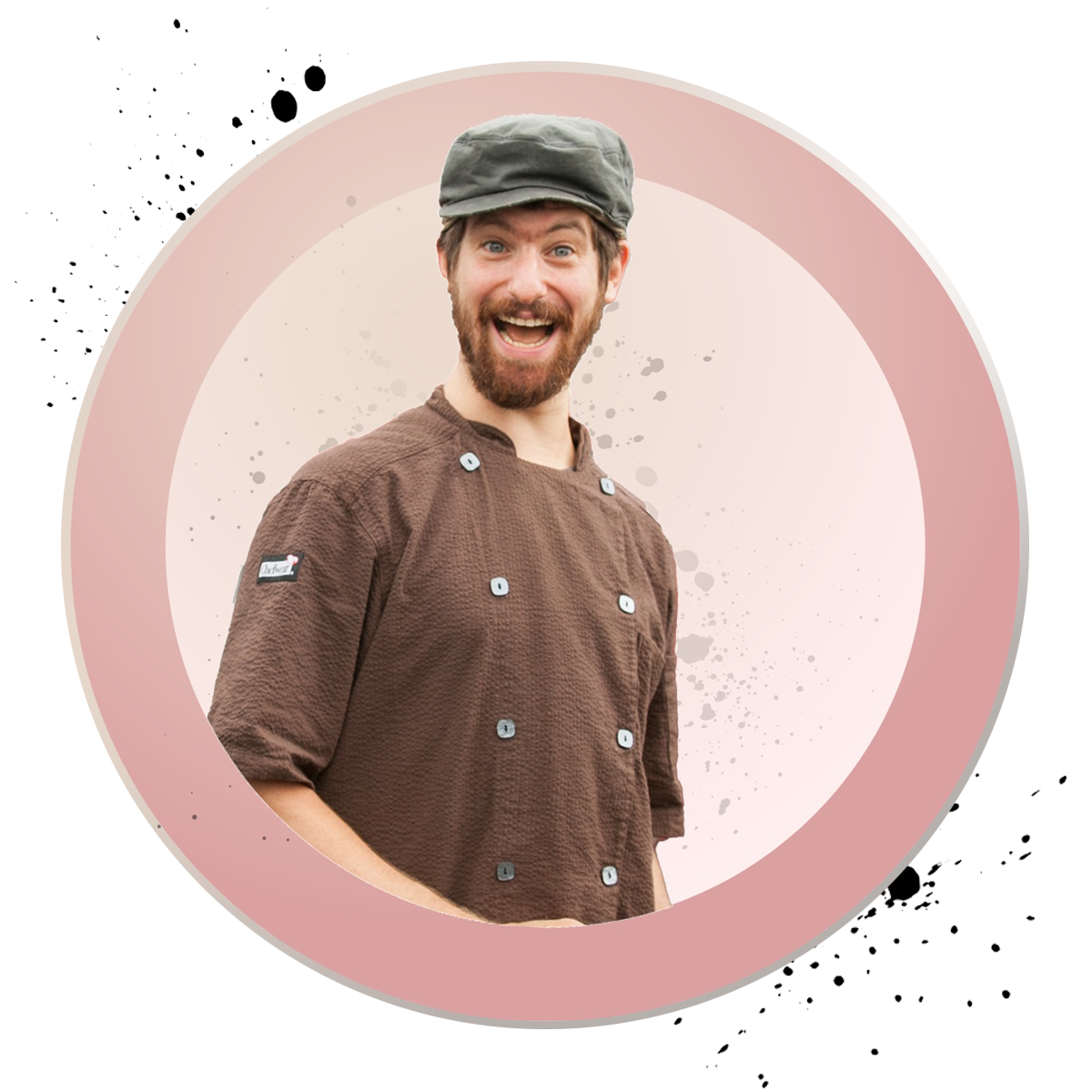
Adam Sobel is the chef and owner of The Cinnamon Snail, a vegan food truck, restaurant, and catering company serving New York and New Jersey. Adam has cooked at the James Beard House, represented the USA at the World Street Food Congress in the Philippines, and teaches cooking at the Institute for Culinary Education, De Gustibus Cooking School, and independently online. Adam has appeared on the food network, Cooking Channel, PBS, and several networks, and is the author of the popular cookbook Street Vegan.
The Cinnamon Snail was launched in 2010 as the country’s first organic vegan food truck and rose to become one of the country’s most sought-after food trucks. The Cinnamon Snail was nominated 5 years in a row for The Vendy Award (which has been called the “Oscars of Street Food”) and has won the Vendy Cup, People’s Choice, Maker’s Mark Challenge, and Vendy Hero Award (for their outreach efforts, serving free meals for months after Hurricane Sandy). In 2014 The Cinnamon Snail was the #1 highest-rated place of any kind to eat in NYC and the #4 highest place of any kind to eat in the entire USA on yelp.com For almost its entire run, The Cinnamon Snail dominated Buzzfeed’s top 10 list of best food trucks in the USA.
Takeaways
- Personalization should be based on behavior and preferences, not just names.
- Segmenting your audience allows you to send more relevant content and offers.
- Email sequences should adapt based on user actions and purchase history.
- Selling becomes easier when offers match specific audience needs.
- Testimonials and messaging should align with the reader’s experience level.
- Small optimizations in email flows can significantly increase revenue.
Resources Mentioned
Senja (testimonial tool)
SendSpark (video personalization)
Rightmessage (with an exclusive 30% off for 3 months discount):
Get Megan’s Memoir – Take the Exit – Step inside the story!
Transcript
Click for full script.
EBT798 – Adam Sobel
[00:00:00] Megan Porta
If your email marketing feels like you are talking at your audience instead of to your audience, this episode is going to change how you think about everything. Adam Sobel from Cinnamon Snail joins me for a deep, high level conversation about personalization. Not just an email, but across your brand experience. We talk about how to deliver the right message to the right person at the right time.How to move beyond generic calls to action and simple ways to start creating a more intelligent, tailored journey for your people. This is next level thinking and it’s more doable than you think.
[00:00:38] Intro
Hi food bloggers, I’m Megan Porta and this is eBlogTalk. Your space for support, inspiration and strategies to grow your blog and your freedom. Whether that’s personal, professional or financial, you are not alone on this journey.
[00:00:53] Megan Porta
Adam, hello. How are you? Welcome back to the podcast.
[00:00:56] Adam Sobel
Fantastic. Dear Megan, it’s been a hot minute since I’ve been on the Eat Blog Talk Lock Snog Brogog. We’re gonna get into some wild new wacky stuff today.
[00:01:09] Megan Porta
Yes we are. We’re gonna get into some more advanced personalization for email marketing. So if you are looking to level up in just a whole new way, tune into this. Adam, you were on last time talking about video, correct? Was that your last topic?
[00:01:27] Adam Sobel
Yeah. So last time I was on must have been two or three years ago. I was talking about teaching online cooking classes, which is still the bread and butter of what I do. You know, ad revenue is like, it’s nice, but it makes up like maybe 15% of my revenue stream. And selling cooking classes, both like a la carte and as a membership thing, are what pay my bills and put my kids through school and stuff.
[00:01:57]
So yeah, this today’s episode is very much related to that because first of all, like selling anything to anyone works a lot more effectively if you’re like speaking their language and then showing people what’s actually relevant to them is also very much aligned with that. So whether or not your listeners are selling something or maybe they just have an ebook or they just want to like not be bombarding their gluten free people with their bread recipes that are going to make them unsubscribe from their list, like doing some little personalization stuff goes a long way.
[00:02:38] Megan Porta
Okay, I can’t wait to learn. This is going to be awesome. And Adam is going to share some stuff on his screen at some points during our talk. So if you can join us on YouTube so you can actually see what he’s talking about when we dig into that. Another note, bear with me today I’m in my bedroom recording.
[00:02:55]
I have chaos in my house. But I am committed to the Eat Blog Talk podcast. I’m here for you. So showing up so we might encounter some noise, but we’re rolling with it today. Thank you, Adam, for being flexible guest.
[00:03:08] Adam Sobel
Oh, yeah.
[00:03:09] Megan Porta
Okay, well, tell us a little bit about your business. So Cinnamon Snail is your blog, correct? Why don’t you just give us the right correct?
[00:03:16] Adam Sobel
Yeah, so I. I was very lucky that, like, in the decade leading up to the pandemic hitting, I had this super popular real life food business called Cinnamon Snail. It was a food truck, we had a few restaurants, and during the course of that decade or so, we won so many freaking awards and got so much press coverage that, like, my website had all these juicy backlinks from all the dream come true places you could ever want them from.
[00:03:50]
And during the pandemic, I started teaching cooking classes online. I taught at some culinary schools before the pandemic, and a friend of mine was like, you know, you should really put together a blog to like, get more people to know about your classes. And people had always asked me to do a blog and I definitely never had time for that before the pandemic because I had like 65 full time employees and things were always on fire or whatever.
[00:04:17]
And I was like, yeah, all right, I’ll give that a shot. And I knew it would be a crazy amount of work. I didn’t know how much gosh darn work it would be. It’s wacky. But I really do love it. And so because I had this domain that had tons of backlinks, it was like a nice head start for my blog.
[00:04:38]
And so I come from selling stuff online kind of from the opposite direction. Maybe a lot of your listeners do, Megan, that I was like selling digital products first and then created my blog as sort of the top of the funnel to attract new people to it, rather than having this like, robust blog and all this traffic built and then like selling something as kind of the next step.
So it might be a different perspective, which would be maybe helpful for folks.
[00:05:10] Megan Porta
Amazing. So at what point did you start tuning into email marketing? Because I know this is something you’re really tuned into right now.
[00:05:18] Adam Sobel
I’m so into it and it’s super dorky…
[00:05:23] Megan Porta
It’s a good thing to be dorky about. All right. I know so many people who are going to love this because email is the thing right now. And I know people are like, okay, I’ve got, you know, the, the Basics down, what do I do next? So this is so perfect for those people.
[00:05:39] Adam Sobel
Yeah. So I mean first of all, I never did email marketing before when I had like this real life food business. And at sometimes I was like kicking myself about that first and then I realized it’s just a totally different customer. Like the people who want to pay me to cook for them are very different from the people who want to pay me to teach them how to cook.
[00:06:00]
They’re the Venn diagram overlap of those quadrants is very minimal. And so it’s no problem like starting kind of from fresh. I don’t know, five or six years ago, building an email list. And you know, it’s funny, I talk to bloggers all the time who are like, I don’t know, like these email platforms, they’re all expensive.
[00:06:22]
Like what’s really the ROI on it? And every single day like I make from my email what I would need to pay for it in a month. Like every single day, not including sending traffic back to my blog for ad impressions and stuff. I mean that that’s always look for anyone who’s not selling something.
[00:06:42]
Email is a great avenue for that. But I’d say if you’re not selling something, maybe it is like a little bit better than a break even thing. It’s not like going to replace Google traffic or something like that. But the, it’s the cherry on top having that ad revenue come in. But if you’re selling anything or doing coaching or have an ebook or have a meal plan thing, it’s like the best.
[00:07:12]
It’s really a treasure.
[00:07:15] Megan Porta
So juicy. Okay, so what do we need to know first and foremost, I guess.
[00:07:20] Adam Sobel
Okay, email personalization is not putting like somebody’s first name in the thing. Like that’s, I mean that’s okay, it doesn’t hurt, I do it. But it’s like that doesn’t, that’s not really personalized particularly. Right. And where, where I really get excited about it from is because look, I have a lot of different things I sell every single month.
[00:07:48]
I come out with a new cooking class and then that class gets recorded and it gets added to the library of like classes on all different, you know, different topics within my niche of vegan cooking, right? I have a vegan Turkish class and a, you know, five different Jewish classes like Hanukkah, Passover, Shabbat, etc like Halloween class, right.
[00:08:11]
And it doesn’t make sense to show everybody the same thing, right? Like there are certain things that convert really well, but maybe you’re like whole Food plant based people don’t care about that. You know my seitan class where I teach people how to make you know, like meat out of out of wheat.
[00:08:29]
That’s super not suitable to my gluten free people. And if I really want to maximize my ability to sell people, I have to like actually pay attention to who they are and give them what they need. And so the first piece of that is either tracking user behavior or having opt ins that let people kind of select who they are.
[00:08:52]
You know, little checkboxes is the cheap way to do it. I use the dopest software called Right Message. Have you had Brennan Dunn on your podcast?
[00:09:01] Megan Porta
No.
[00:09:03] Adam Sobel
He is cool. You should get them on.
[00:09:04] Megan Porta
Okay.
[00:09:05] Adam Sobel
Brennan Dunn is, he’s a genius guy. He and he built this software called Right Message that lets you both do like very ab testable surveys and stuff like that where like if they answer this, it branches them to this question instead of this question. And beyond that, it’s such a powerful tool. Beyond that, it also lets you personalize the actual content on your website, which we’ll talk about in a little bit.
[00:09:39] Megan Porta
Can you spell right message quick, just so because I know people are going
[00:09:41] Adam Sobel
to be like, yeah, it’s just like it sounds, but it’s one word like R I G H T. Okay, message.
[00:09:49] Megan Porta
Gotcha. Thank you.
[00:09:51] Adam Sobel
And so anyway, when somebody opts in, they’ll get hit with like a couple questions like hey, just to make sure I’m giving you the right stuff, like are you gluten free? Are you like a very beginner cook or a very advanced cook? You know, is your like biggest pain point this, this or this is the main benefit you’re looking for from learning to cook vegan, you know, animal rights or saving money or health stuff or like whatever.
[00:10:19]
So I have a pretty good idea by the time somebody’s on my list of exactly what they’re like really excited about. Exactly what are the main things that they like hate that I can point out or that my thing doesn’t do for them or whatever. And then based on that, there’s a lot you can personalize.
[00:10:37]
So the, the first thing is putting them through specific like welcome sequences or flows that speak to their actual desires and issues. You know, like again, the easiest, the easiest thing is, you know, if you know somebody’s gluten free, not giving them the stuff that’s not gluten free. You know, like I feel like I do some like a bunch of Jewish food I mentioned and I really feel like nobody is interested in Jewish food.
[00:11:07]
Except Jewish people. So I try not to like really? Yeah, people over the head with like matzo ball soup recipes if that’s not their thing. But beyond that, you know, aside from like what content you show them because you want to like not give them noise, you want to give them what they’re really going to actually cook and be excited about.
[00:11:31]
But beyond that like what offers you present in front of them. For a while I was doing what I thought was kind of an advanced piece of personalization which was that I created in Kit this snippet. You know, snippets are what Kit. It’s like their version of patterns or reusable blocks kind of.
[00:11:53]
And I created one for like my PS line in my emails and it would show people, you know, like a low ticket offer and if they bought that they would show them a different thing and if they had bought that, it would show them a different thing and it would kind of rotate out showing them only stuff that they hadn’t already purchased.
[00:12:14]
The problem with that was that like if they got to a offer that they just weren’t interested in, it was going to show that to them forever.
[00:12:22] Megan Porta
Yeah.
[00:12:24] Adam Sobel
So I had a contractor who I hired, Brad Hussey again, super genius level guy. He was like one of the earliest members of of Kit, aka ConvertKit. And he builds these things for people. That’s like exactly what I was looking for. He calls them like creator engines. I’ll give you a link to his thing that you can include in the show notes.
[00:12:51]
But basically what it is is a very smart snippet that takes into account what things people have previously purchased and then like what’s the logical next offer for them based on many factors. Like for instance, like if I see that somebody is going back to my website time and time again for Mexican recipes, one of my Mexican cooking classes is going to become like their next suitable offer and then, but if they already have one of those, it’ll go to like the next most relevant thing.
[00:13:28]
And so it’s a very personalized kind of like user journey of offers that are just in my regular nurture emails. And it’s a, it makes for a very easy way to sell people. Like, it’s not really pushy. I’m rarely sending out emails that like the only objective is to sell something on somebody.
[00:13:47]
Sell something, it’ll be like, hey, here’s like five salsa recipes. And then there’ll be a little block on the bottom that’s like, oh, you want my like me taco class or whatever. And if They’ve bought that, it’ll show them a different one. Additionally, because I have taken in, like, kind of demographic information about those people, like what, what kind of cook they are.
[00:14:11]
For instance, I’m going to show them testimonials that are more relevant for that product to that person. So somebody who’s like, brand new to vegan cooking is going to be shown a testimonial from another user who, like, maybe didn’t think they had the confidence to make tacos or whatever, and they followed the class and had great success for it, you know, and then a more advanced cook might see something from somebody else who talks about how that class kind of like pushed their boundaries and their skills a little bit.
[00:14:44]
And so every piece of that is super duper personalized. But that only works if you’re somehow gathering that information. If you’re either letting users tell you who they are or you’re, you know, giving them surveys or you’re saying, hey, this person came in through this lead magnet, so I’m going to assume they’re really into that kind of thing.
[00:15:04]
That’s a very basic way to do it.
[00:15:07] Megan Porta
Okay, so your recommendation, if somebody’s like, oh, this sounds intriguing. Do you recommend getting a, like, RightMessage or something similar to that to start, or how did you start with it?
[00:15:19] Adam Sobel
I love, I really love RightMessage. It’s for not. It’s for people who aren’t selling a lot of stuff and can, like, justify the cost of it. It’s another SaaS product to spend money on. So, I mean, if you’re, if you’re not selling a couple thousand dollars of digital products a month, maybe it’s hard to justify the additional expense of it.
[00:15:46]
But if, you know, selling things is or is going to be a big part of your process, I, I think it’s super, super valuable. You know, the cheap way of doing it, though, is if you’re using any kind of form builder, you know, even the, even the, like, convert kit forms that, you know, you can put little custom fields in there and check boxes that if they check this, it’s going to give them that tag or whatever.
[00:16:10]
And that’s a nice, basic way to do it. The problem is, as far as personalizing email with tags is that. And, and you probably have seen this, Megan. I know. I see it all the time, and it’s something that I’m, I’m planning a solution to put an end to. You ever get these people who sign up to your email list and then they, like, hit you up with a question.
[00:16:33]
And you look at their, the emails, they’ve been sent and they’ve like gone on and gotten every different lead magnet on your freaking website. And they’re getting like 16 emails a day from you for some reason. And I’m always like, oh my God, can I like put an end to that for you?
[00:16:49]
That’s crazy. And somehow these people want to do it. But the problem is if you’re collecting information about people just by checkboxes, they might say they’re advanced on one, you know, form and then say they’re a beginner on the next form. And then like they have both tags and which version. So that’s why a lot of that information, like, about who the person is, I store in custom fields in kit and I, I’m pretty sure Mailerlite and other other ESPs have custom fields.
[00:17:23]
And you could have one be like, whatever is your thing, you know, what level somebody’s at, for instance. And you know, you can have the value new added to them or advanced added to them or whatever. And so if they ever change it, they don’t end up with two tags. It just changes what the value is in that custom field.
[00:17:43]
And so if they’ve grown as a cook and they’re no longer new to cooking, whatever your thing is now, your system can adapt and speak to them in, you know, like, according to where they’re really at.
[00:17:55] Megan Porta
Okay, so figuring out some way, even if it’s simple, simplified to just figure out who, who these people are and tagging them.
[00:18:07] Adam Sobel
Totally. Yeah. I mean, another, another free, easy way to do it is with like link triggers and emails where you could create a button maybe in the footer that says, hey, is this stuff like way over your head? Click here if you want more beginner stuff or, you know, oh, are you like gluten free?
[00:18:25]
Like, click here and I’ll stop sending you all my bread and seitan recipes or whatever. That’s one cheap, easy way to do it.
[00:18:31] Megan Porta
Do you change it up each time so you don’t have like a set question in your emails? You make it different every time you send an email or how many emails are you sending out? How much, like how much work are you putting into this? It sounds like a lot of work.
[00:18:47] Adam Sobel
I mean, it’s not a lot of work and I’ve kind of systematized a lot of it where I have like a VA every week who, you know, takes whatever new blog posts I’ve written that week and puts together a little roundup email and then that snippet gets plugged in and you know, it’s not, it’s not an overwhelming amount of work to kind of like keep up with that.
[00:19:10]
But I have different, people are getting different numbers of emails for me, you know, because I also have like I, I’ve broken up my nurture sequence for instance. You know that what some people call it like a forever sequence. You know what people get once they’ve been through your welcome sequence. And if they’re not in some specific like sales automation or launch automation, they get between three to five emails from me a week.
[00:19:41]
But you know, like I’m not writing those every single day. I have like each one of those days has like a hundred emails in that sequence and like every week I’m adding to it. And then you know, certain people like if I know they’re gluten free they might not get the Wednesday email.
[00:19:59]
That’s like all gluten stuff. But yeah, given that’s another factor to personalization is like letting users somehow select when they don’t want to hear from you every single day. You’d be surprised. There are a lot of people who are like if they love your food and are psyched you exist, like they might be happy to hear from you five, six days a week, no problem.
[00:20:24]
Yeah, but there are people who just want to get like hey give me like a once a week kind of like recap email and I’m good with that. And you can kind of set up your automations so that if somebody selects that it removes them out of the various sequences that aren’t applicable to them.
[00:20:40]
And again like then you end up with somebody who’s actually opening your emails and actually clicking through on either your links back to your site or your offers that you’re selling rather than have somebody who’s just like this is too much noise and they unsubscribe.
[00:20:55] Megan Porta
Is it something where it takes a lot of work initially to set up and it requires a lot of your attention and then eventually it can become just a well oiled machine or is it something that you are always in every week?
[00:21:11] Adam Sobel
I mean I spend a little bit of time in Convertkit nearly every day personally not a lot of time but I’m always fine tuning things and customizing things and you know like I, I have a very like distinctive like visual style to my emails too. Like I’ve created all these like custom gifs or gifs however you want to say for like different things.
[00:21:37]
And like I really think there’s a strong ROI for me on that more so than there is on just like barfing up 10 more blog posts this week or something. Like, you know, like I’ve kind of decreased my output of how many new recipes I publish a week. Not significantly. Like last year I was doing a lot.
[00:21:59]
Last year I did five recipes every single week.
[00:22:01] Megan Porta
What? Wow, that’s a lot.
[00:22:05] Adam Sobel
It was like part of my goal because for me, like having a lot of top of funnel sources of like things that will lead people onto my email list who will then purchase stuff for me, there’s, there’s good bang for my buck on that, but there’s better bang for my buck on like if I have for instance, a free class that I offer as a lead magnet, right.
[00:22:28]
And that free class goes through like a five day, you know, email sequence that tries to upsell that person on my membership. Right. There’s a huge ROI in me, like incrementally improving those sequences so that they’re more effective, you know, because somebody who’s in my membership, like I have people in my membership who now have spent $2,000 with me over the course of a couple years.
[00:22:53]
Like my memberships, it’s on the pricier side because it involves like tons of classes and I do a live office hours thing once a week. So it’s like 600 bucks a year to be in my membership. So getting somebody from a free class that I’m offering to end up subscribing to that, like that’s hugely valuable.
[00:23:13]
And if I can figure out, you know, this version of this email with this subject line gets opened way more often and clicked on way more often or you know, if I change out the contents of that email and put the button to join the membership towards the top instead of towards the bottom, you know, if that improves by 1%, the number of people who end up joining, it’s like, you know, that’s there’s such a bigger of impact on my family’s livelihood than like if my post on whatever goes up one position in Google.
[00:23:48]
Yeah.
[00:23:49] Megan Porta
Okay, so it seems complicated when you present this topic. Right. But once you.
[00:23:55] Adam Sobel
I mean, it is time-consuming.
[00:23:57] Megan Porta
I mean it is, but it’s not rocket science either. And it sounds like it’s just a matter of doing what we do with everything else, which is getting, getting your hands in it, paying attention to it, using intuition, using data as well and just kind of letting the path lead you and making tweaks as needed and.
[00:24:17] Adam Sobel
Yeah. And then, you know, for those of you who are not just us, like complete solo person, if you have some VA is working with you or if you have team members, you know, you can create SOPs around all of this. And that’s what I’ve done. I have a process, you know, like for setting up my sales pages for my cooking classes, for instance.
[00:24:38]
Like again, that’s a very personalized thing which I’m, I’m happy to share with you. Where like when somebody clicks from my emails to the landing page where they might sign up for a cooking class or purchase a recorded class, they see different stuff based on who they are. Right. And so I’ve created a whole.
[00:24:58]
SOP it’s a, it’s a lot of little dicking around to get it to be just right. And so I created a whole SOP for that. And now every time I teach a class, like somebody does all that in the back end and it’s done like the way I would do it if I was doing it.
[00:25:15]
And so it’s not really any extra work, you know, for me now that it’s now that I’ve like played around and gotten the plan together.
[00:25:22] Megan Porta
Do you see a big ROI with traffic to your blog? I know a lot of people dig into email for that reason.
[00:25:30] Adam Sobel
I do. I mean email’s the third biggest traffic source to my blog under Google and direct traffic to my blog, you know, people searching Cinnamon, Snail, whatever it’s. And you know, for, for most ESPs, especially Kit and Mailerlite I think does this, they have a whole system for like appending a UTM tracking parameter so that you get a higher RPM from those people who come from, from email.
[00:26:05]
You know, some, some email systems that’s not the case, including some pretty expensive ones. Like I don’t know if you’ve ever looked at Klaviyo, which is largely. It’s awesome, it’s super cool, but it’s like twice the price of Kit. It really doesn’t make sense for most people who aren’t doing like strictly e-commerce.
[00:26:25]
But they don’t do a thing like that, you know, because their target audience is not like content creators. Like so they don’t have a built in thing where they try, you know, add a UTM tracking parameter. But yeah, I mean just from that it pays for itself, no question. But where it, where there’s real like return on that investment is from actually selling stuff.
[00:26:47]
And look, I, I have a friend who kind of more recently just got into email marketing. They had like a huge social media presence, over a million people following them on Instagram and stuff. And that all they have is, I think a meal plan thing they sell outside from directing traffic to their blog.
[00:27:07]
And, you know, like, they weren’t selling it actively. And I was like, yo, just put a thing in, like the footer of your emails that looks to, you know, if the person doesn’t have that tag that says they bought the thing, show them the thing. You know, show them that. And it’s so easy to just passively sell something like that.
[00:27:29]
Like, there’s a. I know there’s a ton of folks in the food blogging world who feel really gross and icky about, like, selling something.
[00:27:37] Megan Porta
I know
[00:27:41] Adam Sobel
it’s hard. You gotta like, you gotta like, swallow your pride about it. Not. You don’t have to be like, slimy. Like, people, people love your cooking and want to learn what you have to share with them. And it’s, it’s all good. But like, it takes some getting over that stage fright of being like, hey, I have a thing you could get.
[00:28:01]
And. And to me, what’s been most effective is not, hey, I’ve got a thing to sell you. It’s a, like, listen to where people are at and what they’re telling you. And, and being like, oh, you struggle with this. Here’s a thing that helps you with that. It like, takes you as the creator of that thing out of the equation.
[00:28:21]
It like, it’s not an ego thing. It’s about like, hey, this will help you with this problem. You’ve told me you have. Yeah, and that’s great. It’s such a win.
[00:28:29] Megan Porta
I’m helping you. Yes.
[00:28:31] Adam Sobel
They help your bills get paid. It’s all good. And, and it doesn’t feel like icky. It doesn’t feel like you’re pushing anything on them. You’ve taken your time to learn how to use cameras and learn how to like, do this thing, and now you’re just helping them solve their issue. And people love that.
[00:28:52] Megan Porta
Yeah, yeah. It is a mental hurdle for sure. But once you get past it and it clicks like, oh, I’m actually showing up to serve them and help them instead of I’m selling to them and being icky. And then I feel like everything changes once you can make that change.
[00:29:09] Adam Sobel
Yeah, yeah, yeah. I mean, I think that’s easier to do than what a lot of people already are doing, which is like, hey, buy me a coffee. So weird. Like, why just give me money for nothing? Like, here’s a thing that you can benefit from and that’s a lot easier to offer people than just like, donate to my keep my lights on funds or whatever.
[00:29:32] Megan Porta
Yeah. Okay. Do you use. Since you have a lot of things that you sell, do you use testimonials at all for. I don’t know, like, yes.
[00:29:43] Adam Sobel
And that’s actually also a process I’ve really automated over the last year. You know, in the past, I was really bad about collecting testimonials. Like, if anything, I might once a year reach out to people and be like, oh, did you buy a class for me? You want to, like, tell me something?
[00:30:01]
I’ll give you a free class. And it was very manual. Like, I’d have to send them a free class, and I’d have to, like, take their thing in email and bring it into Canva and turn it into a thing. So I use a software called Senja for that that lets me create multiple forms for, like, all my various different classes.
[00:30:22]
And then I have, like, widgets on my sales page which just draw in those testimonials that people have added. And I do one thing in my sales page, which is, like, a little bit more manual. But again, I. I use, like, I have a VA. Just follow an SOP I created for it.
[00:30:44]
I want to. Let me show it to you really quick. It’s kind of. It’s kind of wild here. All right, so.
[00:30:53] Megan Porta
All right.
[00:30:54] Adam Sobel
Can you see my screen, Dear Megan?
[00:30:56] Megan Porta
Yes, I can.
[00:30:57] Adam Sobel
All right, so. So don’t worry about this, like, spinning circle thing. It’s over. This is, like, a video. I always have, like, a little video teaser on my sales pages. And in this, like, builder mode, you can’t really see it. This is inside of. RightMessage.
[00:31:11] Megan Porta
What you see.
[00:31:12] Adam Sobel
And first you can see there’s all these testimonials here, these. These people. And if you click on them, like, you’ll see testimonials. These are more general ones without my classes. Then there’s this big one, which we’ll come back up to in a second. And then there’s this, like, widget of, you know, rotating testimonials.
[00:31:32] Megan Porta
Oh, I like that too.
[00:31:33] Adam Sobel
Right. And these are all just brought in from Senja. Like, there’s just, like, a little HTML snippet that brings this thing in. And anytime somebody adds a new testimonial for this specific class, it’ll get added to the sales page. Easy peasy. Like, there’s no extra work about that. But this is the manual part.
[00:31:52]
That’s really cool. So you see this testimonial here? This is. This is actually just like a reusable block or pattern or whatever they call it these days. Right? And this is showing you like, we’re previewing this as, as this segment. Right.
[00:32:08] Megan Porta
Okay.
[00:32:09] Adam Sobel
There’s. I have like, people who are advanced people who are like family cooks who like, might be cooking vegan food. And their main issues are like, they have picky kids or husbands or whatever. I have people who are brand new to cooking. I have people who are like busy vegan professionals who like, don’t have time to be cooking.
[00:32:30]
And, you know, they all have different, like, pain points and issues. Right. And so I’m going to preview this now as like a family person. And you can see they see a totally different testimonial that’s more relevant to somebody like that. Right. Whereas if I change it now to somebody who’s like, brand new to cooking, you know, there.
[00:32:54]
This is a testimonial focusing more on like, that this was actually like, easier to prepare than they thought it would be. And it doesn’t require any expensive equipment. They have a little typo in their testimonial, but I just keep it real. Like I leave it at whatever the purpose rights. And if they making a mistake, that’s like, that’s because they’re human.
[00:33:16]
But yeah, like, additionally, you can see the, the testimonial now is also speaking to somebody who is, I mean, not the testimonial. The, the headline of this page, the first thing somebody sees when they get here now is, is specific to somebody who’s new to cooking. Right. And if I change it to somebody who’s advanced now, it says, hey, this class teaches advanced bakers to master vegan donuts or whatever.
[00:33:42]
Similarly, like, I have different parts of this page. Like the primary benefit, you know, if it’s somebody who has told me they want to save money by preparing staples at home from scratch, it’s gonna change out some of like the sub headlines like, you know, you can make these donuts at a fraction of the bakery price or whatever.
[00:34:09]
So very much like what somebody sees when they click from an email onto one of these sales pages is customized in every way. I can customize it to where I know somebody’s at and RightMessage makes this crazy easy to do. Like their editor, you know, you basically you install a, like a piece of header code onto your site and then any page you want to customize, you can bring into this editor and click on elements and just you can either write them or it can give you like, AI suggestions based on your segments so that like, you know, because if you think about, I have, I have like 25 different segments really, you know, like, I have what kind of cook somebody is, what their pain points are, what their benefits they’re looking for are whether or not they’re gluten free.
[00:35:04]
So there could be a zillion different variations of this sales page, but you could also totally just use AI to come up with like different headlines to show each different variation if that if you wanted to, or you could just write them yourself. But it’s a super powerful thing for being able to do that at scale.
[00:35:23]
Like, you know, for me I have, I have like a lot of different sales pages now because I’ve, I’ve taught like more than 60 classes over the years, you know, and so they have. And this is like even more dorky than everything we were talking about before. I’m just gonna mention it because I know some of your listeners are gonna know what the heck I’m talking about, but.
[00:35:46]
RightMessage has an MCP, which is like, it’s kind of. MCP is model Context Protocol. It’s like the built for AI Agents version of what an API is. So it lets you take Claude and be like, hey, all of my sales pages like need variations of the headlines created for all my different audience segments.
[00:36:11]
And you could like legitimately do that all in one prompt and have it generate hundreds of different variations and plug it in so that like when somebody clicks through, they see the version that’s relevant to them. So yeah, that’s the most long winded answer to do I do testimonials?
[00:36:32] Megan Porta
No. That page looked great. I loved the little bubbles with the pictures. So do you have to install Senja? Was it, is that part of Senja, the little bubble thing or was that.
[00:36:45] Adam Sobel
Those are. Yeah, yeah. So they have like kind of pre built widgets that you can use or customize and it’s really easy. Like it, you know, you’ll just put like an HTML block in your template and copy in the little, you know, snippet of HTML from Senja for that specific sales page. So it’s pretty easy to.
[00:37:09]
And, and that way like anytime somebody leaves a new testimonial, it always gets like pulled into that sales page. You can set it up so like your 2 star and 1 star reviews don’t show up there if you want. And you can also make it so that there’s like an incentive offered for people leaving a testimonial and it handles the delivery of that and everything, which is nice.
[00:37:33] Megan Porta
Wow. Okay, that’s really cool.
[00:37:36] Adam Sobel
Yeah.
[00:37:37] Megan Porta
And that’s just S E N J A I just looked it up.
[00:37:41] Adam Sobel
J A J A. Yeah.
[00:37:42] Megan Porta
Okay. Send, collect, manage and share testimonials. That’s super cool. I’ve never heard of that.
[00:37:47] Adam Sobel
Yeah.
[00:37:47] Megan Porta
Learning all sorts of things today, Adam. Okay, what else do we need to know? Yeah. All right.
[00:37:54] Adam Sobel
Well, I’m doing. I’m doing one thing that’s like, kind of radical and maybe silly for most people, but I’m going to tell you about it anyway because it’s super neat. I am using a small amount of AI for something involved in personalization that I think is really, really rad. You know, because the real bread and butter of my business is my membership.
[00:38:21]
You know, the biggest impact I can make and what I make in a month is can I bring in more people into my membership and what can I do to like, keep the people in my membership happy and continuing to stay in my membership? Like reducing churn or whatever. Right. Increasing your retention, so to speak.
[00:38:44]
And so there’s a few different things I do with AI for that that are. Are pretty rad. I use a software called SendSpark that lets you create. It’s a software that’s mostly used by people for like, cold email outreach who are like, like kind of spamming the whole world on their crap or whatever.
[00:39:11]
But what it lets you do is record a video and using AI, personalize it with somebody’s name and it like clones your voice and makes your lips look like they’re saying their name. So I was doing this thing before I was using that where when somebody would join my membership, I’d like pick up my phone and record like a 30 second, like, hey, Megan, like, I saw you joinmy thing, if you want to like, book a one on one with me, like, here’s my, you know, booking link or whatever. And similarly, I was doing a thing where like, if I noticed somebody wasn’t showing up to our office hours or our cooking classes, I might reach out, like if I remembered, but chances are I wouldn’t.
[00:39:52]
And so now I’ve automated all of that where when somebody joins my membership like a couple hours later, they get this video that is like, has their name baked into it. And I have like four different versions of that welcome video. Like one for people who are new to cooking, one to people who are more advanced, etc, and so they’re getting like a.
[00:40:15]
It looks like I just recorded the video just for them. Oh my gosh, it’s happening completely automated. Same. Same with. If they haven’t shown up in a certain number of days or whatever, they’ll get a, like one time, like I know I’m not going to send this to them, like, every time they don’t show up for 30 days, like, because then it kind of breaks the illusion of it.
[00:40:36]
But, you know, if, if I notice they haven’t, if my system shows that they haven’t logged into my membership in a certain number of days, they get this like, hey, just like checking in, making sure you’re all good, like, let me know if there’s some way I can support you. And again, it’s has their name baked into it and it’s, it’s a very personalized kind of email.
[00:40:56] Megan Porta
That is such a gem right there.
[00:40:59] Adam Sobel
I, it’s pretty, it’s pretty darn rad. I’m, I’m also using it on the sales end where I have a way of tracking how much somebody spent with me over time. Right. Like what their lifetime value is. LTV is kind of the metric. And if I see, hey, like, somebody spent, you know, over $250 with me over the years, but they’ve never joined my membership again, they get a personalized video that is like, hey, like, I know you’re a beginner cook and you’ve taken all these classes with me and like, I basically show them around my membership and give them like a little guided tour speaking specifically to the issues I know a person like them deals with.
[00:41:46]
And it’s got, again, it’s got their name baked into it through, through that AI and stuff. And you know, it’s, it’s a really easy way to upsell somebody into my membership who I know already loves my classes and pays for them and stuff.
[00:42:00] Megan Porta
Wow. I mean, you’re the king of personalization. That, that is, all of this stuff
[00:42:07] Adam Sobel
is, I think it’s really fun, personally. And like, I think it’s a really less generic way of dealing with everything. Yeah. I think, you know, like my, the, the form of spirituality, what my family and I practice is very much about like, personality and connecting with people according to where they’re at. Like, I really feel like cooking is a great example of that.
[00:42:37]
Right. Like, you don’t cook for everyone, you know, the same way. Right. Like, your kid likes their oatmeal a very certain way. Like they don’t want the cinnamon on it or they want maple syrup or this one wants brown sugar and this one wants oat milk on it. And like, if you treat everybody the same way, it’s not really a very.
[00:42:58]
It says a lot about like, your love and care for them. If you’re just treating everybody in A generic way. Whereas if you’re, like, actually listening to they are and what they deal with and treating them like individuals rather than as, like, everybody’s the same, it really comes across that you care about them enough to have taken the time to, like, set that up for them, Whether it’s making somebody’s oatmeal differently or showing something that’s more relevant to your subscribers.
[00:43:32]
Like, it’s really. I think it’s really an expression of your love and your care. I know it’s, like, such a dorky framework to show that in, but it’s the same kind of thing. Like, it’s just whether or not you care enough to. To also be listening in some way. And that listening could be as simple as, like, a survey or a button that people can select who they are, and that way you can talk to them in the way that they’re going to respond to that.
[00:44:00] Megan Porta
Personalized care is so needed right now, too. It’s just so needed. The humanity of it and the love that you’re talking about is people are craving it right now.
[00:44:11] Adam Sobel
A hundred percent. Yeah, yeah, yeah. I mean, and that’s the thing. Look, there are billions of people. Like, you don’t have to serve everybody, right? Like, none of us can. Like, if you’re doing something cool in the world, you’re gonna have people who hate what you’re doing, probably. But for the people who do love what you’re doing, like, it’s worth the effort to treat them like real people and not just like customers or like, you know, people who might click on your blog or whatever.
[00:44:40] Megan Porta
Absolutely. It matters. Yes. This is great. And then for people who just need a little nudge to get started, give them one little task, I guess, or something to think about just to get started with all of this.
[00:44:55] Adam Sobel
Well, look, I mean, the. The one thing that’s like a kind of general personalization thing you can do, and I think it’s. Lots of people talk about doing it. Matt Mullen talks about it. Other, like, email aficionados in our space talk about it a lot is just having different welcome sequences. You know, like, not just having us subscribe to my email list, but having, you know, on your Christmas appetizers page having, like a get my best Christmas appetizers thing, and then you’re at least talking to that person about that topic that they’re showing some interest in, rather than being like, here’s.
[00:45:35]
Everybody loves these recipes. I don’t know. Good luck. Very basic, easy thing you can do. And, you know, like, it’s not. It’s not hard. You’ve already done all the hard work of developing all these recipes and taking all these great looking pictures. It’s not that hard to, like, put together an email that it doesn’t have to be even crazy wordy.
[00:45:57]
You could, like, copy out the introduction from your recipe card and put a little thumbnail thing on it and just like, do a roundup of your whatever Christmas appetizers. And you write like two sentences at the top. My family loves these Christmas recipes. You might too. And then you’ve got all the pictures.
[00:46:17]
And then you do a similar thing for your Turkish recipes and your Italian recipes. That’s. That’s a good place to start. And again, if you have VAs who work with you, you do it one time and do a screen recording, take some notes, and then, like, pass it off to somebody else to handle it.
[00:46:34]
And that’s a very easy way to get started with, like, a very basic level of personalization.
[00:46:40] Megan Porta
Perfect. Adam. Thank you. Truly, this is gold. This episode is gold. I absolutely love our time went fast, which means it did fun. You’re always fun.
[00:46:52] Adam Sobel
Talk about dorky stuff.
[00:46:53] Megan Porta
Yeah, I love it.
[00:46:54] Adam Sobel
And either. I bet some people listen to this and it took an eternity to hear me babble on about testimonials all day, but to me, it’s really fun.
[00:47:03] Megan Porta
Absolutely. And that’s the life of a blogger is getting into dorky stuff. Right. Just depends on the. The avenue of dorky you want to go.
[00:47:12] Adam Sobel
We are all in the dork zone.
[00:47:14] Megan Porta
We are. We embrace that. And look at this. I got through the whole interview without any major disruptions, at least none that you saw. I don’t think there were some.
[00:47:23] Adam Sobel
Yeah, well, for those of you guys who were just listening on the podcast and not on YouTube, there was full on calamity breaking out behind me. There was like some kid running around without a shirt and like a cat swinging from the blinds like it was mad.
[00:47:39] Megan Porta
It’s pretty crazy in the Porta house today. Well, thanks for hearing through that. Well, where can people find you, Adam? Let’s mention all the places they might go to look for you.
[00:47:51] Adam Sobel
Yeah, I mean, I’m at cinnamonsnail.com and what. What I highly recommend you do if you feel like it. Obviously, my content’s not for everybody. It’s all vegan stuff, which I know some of y’ all don’t give a crap about yet, but do check out, like, what I’m doing. Like, I recommend you subscribe to some form on my site and just see what the flow is like and of course unsubscribe if it’s not interest listening to but you’ll see like the way stuff is being personalized to you.
[00:48:23]
You know, some of it’s a little bit invisible because like you can’t tell what other people are seeing that you’re not seeing. But it’ll give you some good idea of like how I’m structuring things where I’m asking these questions if you don’t answer the questions where I might nudge you about it down the line and that’s it might be helpful for you folks to check out just as a little email inspo.
[00:48:48] Megan Porta
Do you have a tag for stalkers, lurkers, just people who are coming to.
[00:48:54] Adam Sobel
No, no, not really. But I mean I do. For anyone who is buying stuff, I’m very attentive to like what they’re buying and how much they’ve spent with me and all that sort of stuff. And then I have all kinds of automations based on that stuff and triggers that happen, you know, if they reach a certain value and haven’t join my membership, etc.
[00:49:15] Megan Porta
Yeah. Well, since we did mention, you mentioned so many amazing links that we’re going to put in your show notes, I want to make sure to mention where the show notes are. Head to eatblogtalk.com/cinnamonsnail2 and you can find everything that Adam talked about today. He referenced, you know, RightMessage and some of the other links.
[00:49:38] Adam Sobel
I definitely want to give you a link to that guy Brad because the other, the other thing is that some of this stuff is like if you’re not really into email marketing but you want to do it, like there are awesome people out there you can hire to do it. And that guy who built that creator engine thing I mentioned to you for me, I would recommend him so highly.He’s like a dream come true to work with. So I’ll definitely give you a link to his site to include there too.
[00:50:06] Megan Porta
Okay, awesome. Well, thank you Adam so much for being here.
[00:50:09] Adam Sobel
Yeah, great to chat with you, Megan.
[00:50:10] Megan Porta
All right, we’ll see you next time.
[00:50:10] Outro
Thank you so much for listening to this episode of Eat Blog Talk. If you are craving learning connection and increased productivity at a low monthly cost, join the Eat Blog Talk Inner Circle. Go to eatblogtalk.com/focus to join. I will see you in the next episode.
Are you a passionate food blogger craving the perfect recipe for accountability, focus and connection? Click here to learn about the Inner Circle!
✍️ Reach out to connect with Heather Eberle, a copywriter for food bloggers. As much as you enjoy your business, maybe writing or marketing isn’t your cup of tea. Maybe you’d rather spend more time in the kitchen and less time on your laptop. Heather is here to clear your plate! Let Heather help you share your content with the world.