Monetization Strategies for Food Bloggers
AI is changing the way people discover recipes and content online. In this episode, Julia breaks down what food bloggers need to know about AI search, how it differs from traditional SEO, and the practical steps you can take now to strengthen your visibility across platforms like ChatGPT, Gemini, Perplexity, and Google AI Overviews. If you want to future proof your business without chasing every trend, this conversation will help you focus on what matters most.
Listen on the player in this post or on Apple Podcasts, Spotify, YouTube or your favorite podcast player. Or scroll down to read a full transcript.
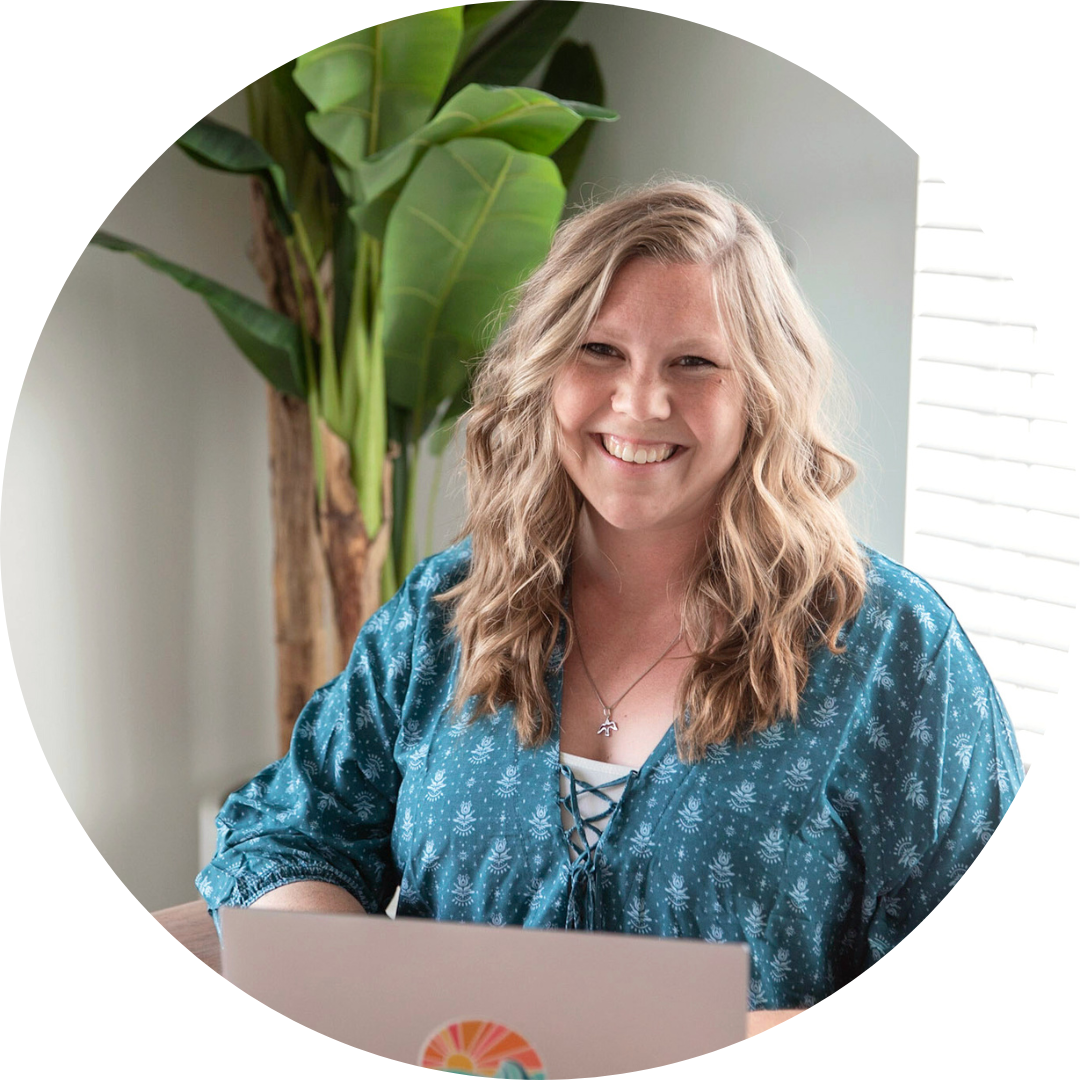
Julia is an SEO, Pinterest, and AI Search Consultant for creative small businesses at Julia Renee Consulting. Her goal is to make SEO, Pinterest, and AIO strategies approachable and easy to implement for all small businesses so they can reach their ideal clients organically.
Takeaways
- Build strong SEO foundations before focusing on AI search.
- Use audience specific language consistently throughout your content.
- Strengthen brand authority through mentions, interviews, and collaborations.
- Make important recipe information easy to find near the top of each post.
- Improve user experience by removing barriers that interrupt recipe access.
- Demonstrate expertise clearly through credentials, experience, and social proof.
Resources Mentioned
Get Megan’s Memoir – Take the Exit – Step inside the story!
Transcript
Click for full script.
EBT806 – Julia Bocchese
[00:00:00] Megan Porta
If you have been wondering how food bloggers are supposed to survive and thrive as AI continues to reshape search, this episode is a must. Listen. Julia Bocchese joins me to break down what AI search optimization actually is, why it is different from traditional SEO search, and how tools like ChatGPT, Google AI overviews, Claude and Perplexity are already influencing who gets discovered online.
We get into the practical steps you can take today to help your content show up in AI driven search results. Plus, the mindset shifts creators need to make as the search landscape continues to evolve. This is one of those episodes that could save you months or even years of confusion.
[00:00:46] Intro
Hi food bloggers, I’m Megan Porta and this is Eat Blog Talk. Your space for support, inspiration and strategy strategies to grow your blog and your freedom. Whether that’s personal, professional or financial, you are not alone on this journey.
[00:01:00] Megan Porta
Hello Julia. Welcome to the podcast. How are you today?
[00:01:02] Julia Bocchese
I’m good. How are you doing?
[00:01:04] Megan Porta
Doing good. So excited to talk about AI. It’s such a hot and important topic these days. People just want all the information so you’re gonna deliver. So what would you say if somebody’s thinking about pressing play or maybe they have and they don’t know if they want to keep listening? What pain points would they be experiencing that will get answered through this episode?
[00:01:29] Julia Bocchese
Yeah, I think with AI, a lot of the pain points are more on kind of like future proofing your website and kind of planning ahead rather than kind of like trying to plan for the now. Because I mean, Google is still has like the lion’s share by far of any search platform. ChatGPT is nowhere near it, but it’s something that is definitely growing.
[00:01:49]
So even if, you know, maybe your audience isn’t really using ChatGPT to find recipes today, it could definitely be something that’s going to grow in the next year or a couple of years.
[00:02:00] Megan Porta
Yeah, I think the word future proofing that you used is something that rings true for everyone because it feels like a little bit of a scary world out there right now. And anything we can do to future proof our businesses and all the work we’ve put into it is, you know, we want to pay attention to.
[00:02:18]
So tell us about you. What do you do? Your business is Julia Renee Consulting, correct?
[00:02:23] Julia Bocchese
Yeah. Yeah. So I do SEO, Pinterest and AI search. Actually, today is my business anniversary, so I’ve been doing it for nine years today.
[00:02:32] Megan Porta
Oh my gosh.Happy anniversary.
[00:02:34] Julia Bocchese
I kind of forgot about it and I was like, oh wait, that’s today? Yeah, I’ve been doing this for nine years. I actually started, I learned SEO and Pinterest with a travel photography site that I have. I still have it. It’s like, I think 11 years old at this point. So I started off in the blogging world, learned different, you know, marketing skills, and when I shifted to, you know, freelancing and everything, I was doing a lot of, like, content writing, content optimization for small businesses.
[00:03:03]
And then I realized they didn’t know what I was doing to help them grow on Google. So then I, you know, shifted to focusing a lot more on SEO. I was doing like, Facebook and Instagram. And then, you know, eight years ago is when they really started changing the algorithm like every other day.
[00:03:17]
And I was like, I don’t like this. So I focus more on SEO and Pinterest since Pinterest is more of a search engine.
[00:03:25] Megan Porta
So do you still keep your travel photography blog going or…
[00:03:29] Julia Bocchese
Yeah, so it’s still live. I. So I don’t get to travel as much with two little kids now and I don’t have time to update it as much. So I post maybe a couple times a year now rather than like weekly, which I was doing. But since, I mean, I’ve had it for so long and I do still have Pinterest kind of like running in the background for me.
[00:03:51]
I’m getting like, way more traffic from Google and Pinterest than I was, you know, even a couple years. Yeah. So that’s. That’s the power of SEO. Yeah.
[00:04:00] Megan Porta
Oh, my gosh. And longevity. Right? Just a reason to stick around and keep at it. I love, I love that you still keep it up, even if it is minimally. That’s really cool. Well, thank you for explaining all of that. So why don’t we just talk a little bit about how AI is changing businesses?
[00:04:18]
So we’re talking about food blogger businesses and how people find us. So just talk a little bit about that.
[00:04:26] Julia Bocchese
Yeah, so AI is kind of like shifting the way people are searching. So people are… I mean, people are still using Google. SEO is not dead. It’s not going anywhere. But people are using like ChatGPT, Gemini, Perplexity for different types of searches. So they want, you know, when they want like a recipe or something, they’re not just going to ChatGPT and searching for like, you know, brownie recipe, like they’re going to Google or, you know, Pinterest for something that’s more simple like that.
[00:05:05] Julia Bocchese
So the average search on ChatGPT is 23 words. So people are getting really specific. They’re not just searching for like a regular brownie recipe. Maybe they’re searching for, you know, a brownie recipe that like uses vegetables to, you know, hide the vegetables for their kids to eat. Or they’re looking something that’s like really fudgy or, you know, something that’s a lot more descriptive or maybe something that they can, you know, whip up with whatever they have at home.
[00:05:33]
They don’t need to like go out and shop for ingredients. So I’ll kind of like, I mean, I’ll give an example for myself, but my husband’s birthday is coming up and I want, I always make him a different dessert for his birthday. So I’m going to ChatGPT to search for ideas. I don’t want to just kind of do a chocolate cake.
[00:05:50]
I’ve done that before. I want something that’s like summery, but not like a strawberry shortcake. So I’m going to ChatGPT and I’m telling ChatGPT all of these things, what I’m looking for, what kind of ideas I want, and also some parameters on like, I don’t want to spend an entire day in the kitchen.
[00:06:05]
Like I still want it to be, you know, something I can maybe prepare ahead of time or doesn’t take too much time to prepare, maybe doesn’t take too much time to bake. So people are going to ChatGPT for these like really specific searches. They’re searching, they have a lot more parameters with their searches and they’re not just kind of like searching for a standard recipe.
[00:06:26]
So that’s where it’s kind of different. So people are obviously still using Google and Pinterest. But if you have recipes that have like these different nuances, if you really focus your niche on like quick recipes that you can whip up, you know, for in 20 minutes for your kids, something that is really specific to your niche, that is where ChatGPT, Perplexity Gemini, that’s going to be really beneficial for food bloggers.
[00:06:51]
So making sure that you have your niche and then you’re also using these words that people are searching in these AI platforms. So like whatever is relevant to your audience. But like 20 minute dinners or I personally love like using one dish to make dinner. I don’t want to have to like, you know, wash a bunch of dishes after.
[00:07:11]
So, you know, kind of like whatever is important to your audience and then also using those words in your blog post. And use it in every blog post. I know you might think it’s kind of overkill to like use the same language every single time, but your audience likely isn’t going to every single blog post of yours.
[00:07:31]
And reading them if they already have a really great audience. But a lot of times with like AI searches or Google or Pinterest, it’s a very cold audience. They don’t know who you are, they’re not familiar with your brand. They really just want the content that you have. So making sure that you have that information in every single blog post is going to help both when they land on your website, but also getting them there as well.
[00:07:53] Megan Porta
So when you went to ChatGPT and asked about your husband’s cake, now did you ask ChatGPT to come up with a recipe or did you ask for. Okay, so you asked for just like blog posts. Okay.
[00:08:07] Julia Bocchese
Yeah. And then ChatGPT to come up, right?
[00:08:10] Megan Porta
Yeah. I mean that is wild card, but okay, so you ask for ideas from the Internet, like bloggers and like, where do I go for this? And then does it give you just a host of ideas, like blog posts to go to or how did that work for you?
[00:08:27] Julia Bocchese
Yeah, so it gave me some like roundup posts of like summer dessert recipes like on food blogging websites and then also some like specific, like specific types of bakes. His family’s Italian. So I was, you know, trying to kind of look for some like lemon summer Italian recipes. So it gave me some ideas and then linked to those like blog posts that are specific to those recipes.
[00:08:53]
So I searched a couple different like things and asked for a couple different, you know, ideas. So that’s. It gave me a few different formats. But yeah, definitely linked out to the food blogs because I do not trust AI to create recipes.
[00:09:07] Megan Porta
I know, it’s kind of funny. I mean, I think it’s getting better, but it’s funny what it comes up with. It’s like, no, that doesn’t, I don’t think that works. Okay, so how do we as bloggers get seen in those searches, those ChatGPT etc searches?
[00:09:22] Julia Bocchese
Yeah, so first, I mean, definitely know who your audience is. So again, like, if you are, you know, if your audience is like families that have young kids and you know, they only have a short amount of time to whip something up for dinner, or if you know your audience really likes gourmet, you know they want to spend five hours in the kitchen on a Saturday.
[00:09:39]
Like, just know who are your audiences and then know what types of things they’re searching for. So, I mean, you can definitely start with doing keyword research. With keyword research tools for SEO, you can also. One thing I love about doing AI search is that you can actually ask these AI platforms for answers.
[00:09:57]
Definitely. I mean, know what you’re asking for, make sure you’re prompting the right way. But you can ask for ideas like, you know, hey, this is who my audience is. Get really specific on. You know, if there’s a specific age range or need or want that, that, that they have. Give ChatGPT, Gemini or I mean, Claude.
[00:10:15]
You can use other AI platforms that aren’t specific to search and tell them who your audience is and then also just kind of like get ideas for the types of words or language that they would use in order to find the types of recipes that you have and then incorporate those into your recipes and your, your blog posts.
[00:10:34]
Um, so that’s one kind of benefit that AI has over SEO. Like, you can’t just go to Google and say, like, hey, Google, what should I add to help me rank higher? Right.
[00:10:43] Megan Porta
So you’re using, you’re using AI tools to kind of help you get on the platform. Really. I mean, it’s like you’re brainstorming together.
[00:10:53] Julia Bocchese
Yeah, it’s very meta.
[00:10:55] Megan Porta
Yeah. Okay, that’s great. So using the right language and putting that in each blog post, like you said, it’s not overkill. Is there anything else?
[00:11:06] Julia Bocchese
I mean, there are lots of different things, but that’s kind of like the first step is knowing who your audience is. And then that is what I would be doing on your website to kind of help your website, you know, get recommended in general by AI platforms. I also recommend doing some brand authority building off of your website as well.
[00:11:24]
So I know a lot of times with bloggers, I mean, you, you have to be active on social media and like Substack and YouTube and everywhere. But it’s also important to kind of build your, like, online PR presence as well. So you can do things like podcast interviews, getting featured by any, like, relevant online magazines or local publications or something like that, because you do want to make sure other people are talking about you because that is going to help build your brand authority.
[00:11:53]
And AI is looking for that. I won’t get too technical with, like, how these AI platforms work, but Google, when someone searches on Google, they are ranking individual pages like, I’m sure everyone has seen when they’ve ever used Google. And then when people are going to AI platforms, they’re doing what’s called a query fan out.
[00:12:13]
So they are searching not just on your website, but then also everywhere that, like, your website, your brand has been mentioned. And then, interestingly, the top website that ChatGPT uses is Reddit to kind of, like, get some information about businesses. Um, so if you want to try to kind of like, up your Reddit strategy, that could definitely be beneficial.
[00:12:36]
So you could go to different, like, forums on Reddit where people are asking for recommendations for, you know, recipes. Obviously, be helpful. Don’t just, like, drop a link and leave. But because people on Reddit, they will… I’m not a big Reddit user, but I know they’ll, like, downvote you and that can, you know, kind of, like, hurt your reach and things like that.
[00:12:54]
But, yeah, if you want to be, like, naturally genuinely helpful on Reddit, that could be kind of a good way to get people talking about your recipes. Another, you know, source of traffic. And then the second most referenced website for ChatGPT is LinkedIn, which I know is not a big food blogging, you know, platform, but that could be a good way, specifically, like LinkedIn articles, but also, you know, they’re looking at your, like, LinkedIn bio and posts.
[00:13:23]
But if you wanted to just repurpose your food blogs into, I mean, you can go to ChatGPT, put in your blog and ask them to repurpose it into, like, a LinkedIn article. That could be a good test. I personally have not done this with food bloggers, so I don’t have any data to back this up.
[00:13:41]
But LinkedIn is a big place that, you know, ChatGPT is looking, so if you want to test that out. And it’s also, I mean, it’s not a saturated place for a food blogger. So it could be a good place to kind of, like, stand out and, you know, try something new. But yeah, so just building your brand authority.
[00:13:57]
Get other people talking about your website. Get other people, you know, linking to your website. So if, you know, you know, maybe some, like, food bloggers that are in maybe different niches, but they’re doing roundup posts, you guys can, you know, kind of, like work together and link to each other’s recipes naturally, you know, things like that, the more that you can build your brand authority both on and off your website, that is really going to help with your credibility with AI platforms.
[00:14:23] Megan Porta
Okay, the LinkedIn thing, I’ve had that feeling for a while like food bloggers don’t naturally go there.
[00:14:29] Julia Bocchese
No.
[00:14:30] Megan Porta
Because obviously we’re curating blog posts for our websites, but it just feels like it’s untapped and there’s some. Like there’s something there. But I love that there’s juice there that’s linked to AI. I didn’t really know that. So that’s super cool.
[00:14:43] Julia Bocchese
So if, if someone wants to test this out, like, please let me know how it goes.
[00:14:47] Megan Porta
Yeah, I might do that actually. Yeah, I might do that.
[00:14:52] Julia Bocchese
Okay.
[00:14:52] Megan Porta
You mentioned roundups again. When you were doing your search for your husband’s birthday cake, did roundup posts come to you or did it just have ideas?
[00:15:14]
Was it like a URL to a Roundup post?
[00:15:17] Julia Bocchese
Yeah, it was to a Roundup post.
[00:15:19] Megan Porta
Okay, interesting. But it also provides just direct URLs. Like, did it have other birthday. Okay, just curious if it like naturally went to Roundup posts first or if it was just a collection.
[00:15:33] Julia Bocchese
So I asked like a couple different ways. So I think first I asked for like the ideas and that’s where it was kind of like the Roundup post. And then I was like, got more specific with these are maybe some more parameters or some more ideas from those Roundup posts that I’m interested in. And then it kind of like gave some more specific ideas with that.
[00:15:54] Sponsor
If you have been feeling lonely in your blogging journey lately, if your growth feels stagnant, if you have been feeling out of the loop, disconnected, or craving real friendships with people who truly get this business, I want to personally invite you to the Fall Eat Blog Talk retreat. So many bloggers are carrying these feelings right now.
This industry can feel isolating. It’s easy to get stuck behind a screen wondering if everyone else has it figured out while you’re spinning your wheels alone. This is exactly why these retreats matter so much. Every single year, the bloggers who come leave feeling energized, connected, inspired, and completely re lit creatively. There’s something so powerful about getting in a room with smart, kind, ambitious bloggers who understand your world without explanation.
And beyond the business side, it is so much fun. This year we rented the most beautiful, cozy property and every guest gets their own king bed solo room, which feels extra peaceful and luxurious. After full days of conversation, learning and connection, we will spend our time brainstorming ideas, relaxing together, laughing non stop eating incredible food and having the kinds of conversations that shift things for you personally and professionally.
And Saturday night we are doing a chef curated multi course dinner experience that I’m ridiculously excited about. There’s always this magic that happens at each retreat. New friendships, huge breakthroughs, deep exhale moments, feeling inspired again, feeling understood again. If your soul has been craving community, fresh energy and meaningful connection, come join us.
I would absolutely love to have you there. You can grab all the details at eatblogtalk.com/retreat. We hope to see you there again. Eatblogtalk.com/retreat.
[00:17:40] Megan Porta
are there any other ways that we can get our URLs insert in AI search?
[00:17:44] Julia Bocchese
Yeah, so there are some AI tools that you can kind of like at least start to track your data. I would say they’re, I wouldn’t invest in one right away unless you are already invested. Like Semrush, they have like AI tracking tools that they’ve added on in the last year or so.
[00:18:05]
So if you’re already using Semrush, that could be something to kind of investigate, to kind of see how people are searching, what people are searching for. Again, you can go to ChatGPT or Gemini and you like, if you have a recipe that is performing really well on Google, you can just, you know, go to them and say, hey, what would you recommend?
[00:18:24]
And then you know, give the like parameters or ideas around the recipe and see if they recommend that recipe or if they recommend you for specific niche. If they don’t, you can go back and ask why. So again this is, you can go back and forth with ChatGPT for like so many different things.
[00:18:44]
So you can see maybe they might have issues like crawling or indexing your website. I know with ChatGPT and Gemini, if you have a lot of JavaScript on a page, they could have issues crawling it. So then if they can’t crawl it, they’re not going to recommend you. So if you do have a lot of like ads that pop up or things that kind of like get in the way that aren’t, you know, helpful to ChatGPT to be able to crawl that page, they’re not going to be able to recommend it.
[00:19:13]
So you can kind of like go back and forth to see maybe if there are any technical issues. So you can also just enter in your, you know, URL to ChatGPT or Gemini and say like, you know, would you recommend this website for anything? If so what are there any, you know, niches that you see that these Recipes would be beneficial for that I’m maybe not like tapping into.
[00:19:35]
So I would again, just go back and forth with ChatGPT or Gemini or Claude and kind of see what ideas that they have. Yeah, they do also like quick information. So if you have, you know, summaries of your recipes or of maybe like the ingredients or something like that that you can put towards the top of the post because I know you do want to have the content before you get to the actual recipe.
[00:19:59]
But ChatGPT and Gemini, they do like kind of having that quick information. And I think over 40% of the searches with ChatGPT, they’re only crawling the top third of a page. So if you are kind of going into your life story, you know, for the first half of the blog post before you get into anything relevant to the recipe, that’s not going to help, you know, with ChatGPT.
[00:20:21]
So making sure that you do have things on your blog posts that are structured well, make sure it’s easy for them to get that information if they’re not going to crawl the entire blog post. And then also just going back to the user, making sure everything is set up well for people who are actually reading the recipes.
[00:20:38]
Again with the ads, I know it’s a really, you know, good form of income, but just make sure they’re set up, like, strategically where it’s not invasive. And I actually went to one recently where I clicked on the jump to recipe and then it made me watch an ad for. Which was fine.
[00:20:53] Megan Porta
Yeah, that’s not good.
[00:20:54] Julia Bocchese
But then the ad froze and I couldn’t get out of it. Yeah. So then I just left that page because I couldn’t easily get to the recipe. Or there was one where I did get to the recipe, but then they had all these ads that were popping up on the sides that were actually blocking the actual recipe.So again, I can’t.
[00:21:14] Megan Porta
Yeah, they can be invasive.
[00:21:15] Julia Bocchese
Yeah. So I know they’re important for, for getting some income, but just make sure, if you’re able to make sure they’re set up where it’s not blocking the recipe or prohibiting people from being able to actually get to the recipe.
[00:21:29] Megan Porta
Yeah, I occasionally go on. Well, I make recipes from my own site, obviously, all the time. So I’ll pull up a recipe and just kind of act as if I’m a user and if something is really invasive or annoying me, then I’ll note it and change it. But yeah, like going on your own site on your phone and just making sure that everything like what you experienced going to jump to recipe jump.Actually it’s jump to ad, jump to ad video and then it freezes. That’s not a good user experience.
[00:22:02] Julia Bocchese
Yeah, yeah. So make sure everything’s set up with the users. Yeah, I’m on my phone most of the time when I’m, you know, cooking recipes or looking for recipes. I would imagine most users are. But you can also see in like Google Analytics how many people are on desktop versus mobile. So you can, you know, double check that to make sure things are set up well for both your desktop site and then also your mobile.
[00:22:23] Megan Porta
Yeah. Now when we talk about like the AI overviews on Google, are there different ways that we can get there? Because I know that they recommend URLs occasionally or websites. So how do we get our information there?
[00:22:40] Julia Bocchese
Yeah, so very similar. So things with. Okay, so let me kind of back up a little bit. So with AI Search, there’s aeo, which is Answer Engine Optimization. So that’s a lot of the, like featured snippets, AI overviews, things like that. And then there’s GEO Generative Engine Optimization, which is like ChatGPT, perplexity Gemini.
[00:23:01]
I just say AI search because no one wants to, no one knows what all those acronyms mean. And if I say like GEO, it’s going over everyone’s heads. So those are two kind of like different ways that you can be featured on, on AI. But it kind of goes back to very similar strategies.
[00:23:21]
So again, giving that like quick information, giving, making sure that you’re targeting strong keywords, especially with AI overviews, you know, on Google, Google is, you know, kind of like crawling your website to look for the keywords. Very, you know, similar to SEO strategies. And then I would say, you know, making sure that your recipes are just something that is, you know, unique and not just, I mean, unless you do want to kind of be a generalist.
[00:23:49]
Because typically people who see a recipe featured in AI overviews, if it’s something that they need more directions on or there are more nuances to the recipe, that’s when they’re going to click over. If it’s like how to boil an egg, you know, they can see the information right there in the AI overview and they don’t need to click over to the website.
[00:24:08]
So if you do want to make sure you’re getting the traffic, there’s also a new kind of term called zero click marketing, which I don’t think is very beneficial to food bloggers because you do need people getting over to your website. Not really, just trying to build brand awareness. But that could kind of be something to check out if you are interested in more of the kind of like brand awareness strategies.
[00:24:32]
But yeah, with your getting the actual traffic to your website and getting featured, I would definitely, you know, focus on your SEO and then also making sure that whatever you’re doing is more unique. Unless you do want to be, you know, known as a generalist.
[00:24:46] Megan Porta
Okay. Yeah, I’ve heard of food bloggers who, okay, I have this friend who she swears every time she posts something new, publishes something new on her blog, that AI, that AI overview on Google, like suddenly shows answers and she, and it’s kind of taking over her recipes. So she’s like, oh, dang it.
[00:25:11]
So do you have ideas about how to. I don’t know, I just, I feel like some people think that it’s stealing, you know, from their traffic. So how are ways to get around this or proactively think through this? Does that make sense?
[00:25:27] Julia Bocchese
Yeah, so it’s…I know it’s hard because. So the only surefire way to like not show up on your AI overviews is to actually block Google from your website. So to like noindex your website, which you don’t want to do because then you’re not going to show up on Google or on these AI platforms at all.
[00:25:45]
So I know when ChatGPT first came in I was like a big thing that a lot of bloggers were talking about doing because yeah, you don’t want your ideas stolen. You don’t want, you know, ChatGPT to be just scraping your website and stealing your recipes or something like that. But yeah, when you do that, then you’re also not being able to rank on Google or you know, get recommended by ChatGPT or Gemini.
[00:26:06]
So other than that. There’s no surefire way of like not being able to show up in the featured snippets.
[00:26:17] Megan Porta
And as far as tricky, it kind of goes along with what you were saying earlier about the hard boiled eggs. Like if, if it’s a really simple recipe like how to boil an egg, then people aren’t going to need to click away. But maybe making your recipes a little bit more complicated, I don’t know, just somehow getting them to realize the user that they need to click over to get more information, I think is the key.Right. Like you can’t get everything here, you have to go there.
[00:26:45] Julia Bocchese
And as a user I would, I mean if it’s a recipe that’s like, requires, you know, mixing and like 10 ingredients and things like that I’m not gonna like, keep my AI overviews panel open and like to see everything. Like I’m going to the recipe for that. But yeah, if it’s like a, I don’t know, a quick salad that you can throw three things together or just like, I don’t how to pickle cucumbers, you know, something simple like that, then people might say on the AI overviews.
[00:27:16]
But yeah, if it’s like a, a true recipe that, you know, has several ingredients and instructions, then I can’t imagine many people would stay on the AI overviews, especially if it’s something they want to like make again or save to Pinterest or something like that.
[00:27:32] Megan Porta
Right. Okay. If somebody is listening and they’re just like, I’ve never really thought through this. I don’t really know where to start. Is there something that they can like, what’s the first step? Just making sure their content is searchable. On the back end, are there technical things they need to have on their radar?
[00:27:50] Julia Bocchese
Yeah. So first I would definitely make sure you’re able to rank well on Google. You are focusing on your SEO strategy because AI kind of starts with the SEO foundations. So make sure, you know, everything is set up well there. And then I would go to ChatGPT or Gemini, Claude, wherever and just start a conversation with them and kind of like ask, you know, what they would recommend your website for.
[00:28:18]
If there are things that are, you know, blocking ChatGPT from being able to crawl a page. If you have a lot of JavaScript, if you have a really slow page with a lot of ads, you know, something like that, see if there’s anything weird going on there and then just kind of like going back and forth with, with seeing if there’s anything that you should be adding, like if they have any ideas for, if you have like FAQs or again, like kind of like summery, you know, having that more important information towards the top of the page, if there’s something specific that you can be doing.
[00:28:51]
Because it is going to be slightly different for, you know, kind of each different food blogger, each different recipe. Yeah. So kind of getting that, yeah, getting that specific advice is going to be helpful, but making sure that you are prompting them very clearly with, this is who my audience is. This is, you know, their needs, their wants, this is what I focus on.
[00:29:11]
So that way you’re not just getting like really general information that’s, you know, maybe not going to help you as much. So making sure you are very clear with all the information that you’re giving AI in order to get the best answers back.
[00:29:22] Megan Porta
Okay. And then you’ve mentioned summaries a few times. So typically, how food blog, food blog, blog posts go, which I’m sure you know, like a, an intro, short paragraph or two, just like giving your unique point of view, maybe throwing in some EEAT stuff in there. Hero shot. And then, like, why this recipe works is kind of the generic theme.
[00:29:45]
If I had to explain overall, like, for the summary, would you, Would you include that in one of those? Or is that one of those? Or is it separate?
[00:29:55] Julia Bocchese
Yeah, so it would definitely be. Yeah, part of that. So…
[00:29:58] Megan Porta
Okay.
[00:29:59] Julia Bocchese
Yeah, I wouldn’t just, like, jump into your recipe or like, again, jump into your life story without talking about the recipe. So, yeah, you can. And then you can go to ChatGPT and say, like, this is what I’m doing to kind of like, introduce or summarize the recipe. Is there anything that’s missing, knowing who your audience is.
[00:30:14] Megan Porta
Okay.
[00:30:15] Julia Bocchese
That would be beneficial to, you know, get recommended by ChatGPT more often? Or is there anything else that Chat GPT or Gemini, you know, needs to know in order to know what this recipe is about before they get to the actual recipe?
[00:30:26] Megan Porta
Okay, perfect.
[00:30:27] Julia Bocchese
So that’s definitely a good start. But you can, you can see if there’s anything else you should add or anything specific to AI that would be helpful.
[00:30:35] Megan Porta
Okay, that makes sense. Anything else we should know about this?
[00:30:39] Julia Bocchese
So you did mention kind of like showing your expertise. So that is definitely something that’s really important. I kind of mentioned that. Doing it off your website. But yeah, making sure that you’re also showing your expertise on your website. So that can be if you have any sort of credentials, like if you’re a dietitian or you had a food and science degree or, I don’t know, worked in a restaurant.
[00:30:59]
Restaurant for 10 years. Or even if you’ve just been creating your own recipes, you know, for five years, and your kids love every single thing that you make. Like, any sort of credibility.
[00:31:10] Megan Porta
That’s expertise.
[00:31:11] Julia Bocchese
Yeah, anything that you can add to your website to show, you know, these AI platforms that you are an expert, you know, what you’re talking about. If you can, you know, have any sort of reviews. I know there are ways to kind of like add reviews with comments at the end of some of the blog posts.
[00:31:29]
So if you can add those to kind of show that you’re, you know, people who are actually making this recipe, enjoy it, or it’s easy to make, you know, things like that. Any way that you can show your credibility, your expertise that, that, you know, your recipes are great. That is also going to be beneficial.
[00:31:47] Megan Porta
Okay, well, this has been really helpful for me. I have a few ideas in mind. I think this will give a lot of ideas for others too. Yeah, it’s just kind of a new territory. Right. Like, this is like, think back to even two years ago or even a year ago, and the way we thought through getting our blog posts delivered to users is so different. So, yeah, just having a new mindset, I think. So thank you for all of this, Julia.
[00:32:15] Julia Bocchese
And I think just, yeah, having a flexible mindset because, yeah, it’s so new that it’s going to keep changing really quickly. So I wouldn’t, you know, go through and update like, all 500 of your recipes with, you know, every single thing that I spoke about, you know, kind of maybe going forward or updating some of, like your, you know, more important recipes or something like that.But yeah, something could change tomorrow. We have no control over.
[00:32:42] Megan Porta
We’ve learned that that can happen. Yeah. Yeah. So now do you help people kind of strategize with this? How can you help food bloggers and tell us. Yeah, like, about that?
[00:32:55] Julia Bocchese
Yeah. So I do offer AI audits. So if you want to see kind of like if ChatGPT is able to, you know, recommend your recipes, who your competitors are, how your competitors performing on AI different, you know, places that you can update your recipes. I do have an AI audit kind of like covers all of that.
[00:33:15]
If you kind of just want to dip your toe in. I do have a new freebie I just launched a couple weeks ago, All About Prompting, and how specific prompts that you can use with ChatGPT, Claude or Gemini or any other AI platform that starts tomorrow to see, you know, how they are understanding your website again, if there are any of those technical issues and also how they are understanding you as a brand to kind of like help build that brand authority and make sure they understand who you are and, you know, what you represent and everything.
[00:33:47]
So you can find that on, on my website. It’s right now it’s at the, you know, banner top of every single page on my website. So it’s pretty easy to find.
[00:33:55] Megan Porta
Okay. And yeah, we’ll put a link to your website, obviously in the show notes, and those can be found at eatblogtalk.com/JuliaReneeConsulting so go there and you can find everything we’ve talked about in this episode and go to Julia’s site and you can find that top banner and get that freebie. So thank you again for all of this. Such great information that we all need right now. And it was just a pleasure to talk to you today.
[00:34:25] Julia Bocchese
Yeah, thanks so much for having me.
[00:34:26] Megan Porta
All right, Bye, Julia. Thanks for listening, everyone.
[00:34:26] Outro
Thank you so much for listening to this episode of Eat Blog Talk. If you are craving learning connection and increase productivity at a low monthly cost, join the Eat Blog Talk Inner Circle. Go to eatblogtalk.com/focus to join. I will see you in the next episode.
Are you a passionate food blogger craving the perfect recipe for accountability, focus and connection? Click here to learn about the Inner Circle!
✍️ Reach out to connect with Heather Eberle, a copywriter for food bloggers. As much as you enjoy your business, maybe writing or marketing isn’t your cup of tea. Maybe you’d rather spend more time in the kitchen and less time on your laptop. Heather is here to clear your plate! Let Heather help you share your content with the world.